

Maddy summaryHR 6997, the Community Passport Services Access Act, allows qualified public libraries to become official passport acceptance facilities and collect the standard execution fee for passport applications. It directly affects non-profit public libraries meeting U.S. State Department regulations, enabling them to serve as passport application sites - expanding access beyond current locations like post offices. Key provisions authorize new libraries to apply for this role and automatically authorize existing libraries that previously accepted passports. The bill also updates the Passport Act to formally include public libraries in the list of authorized acceptance locations. This creates a concrete policy change in where passport services are available to the public.
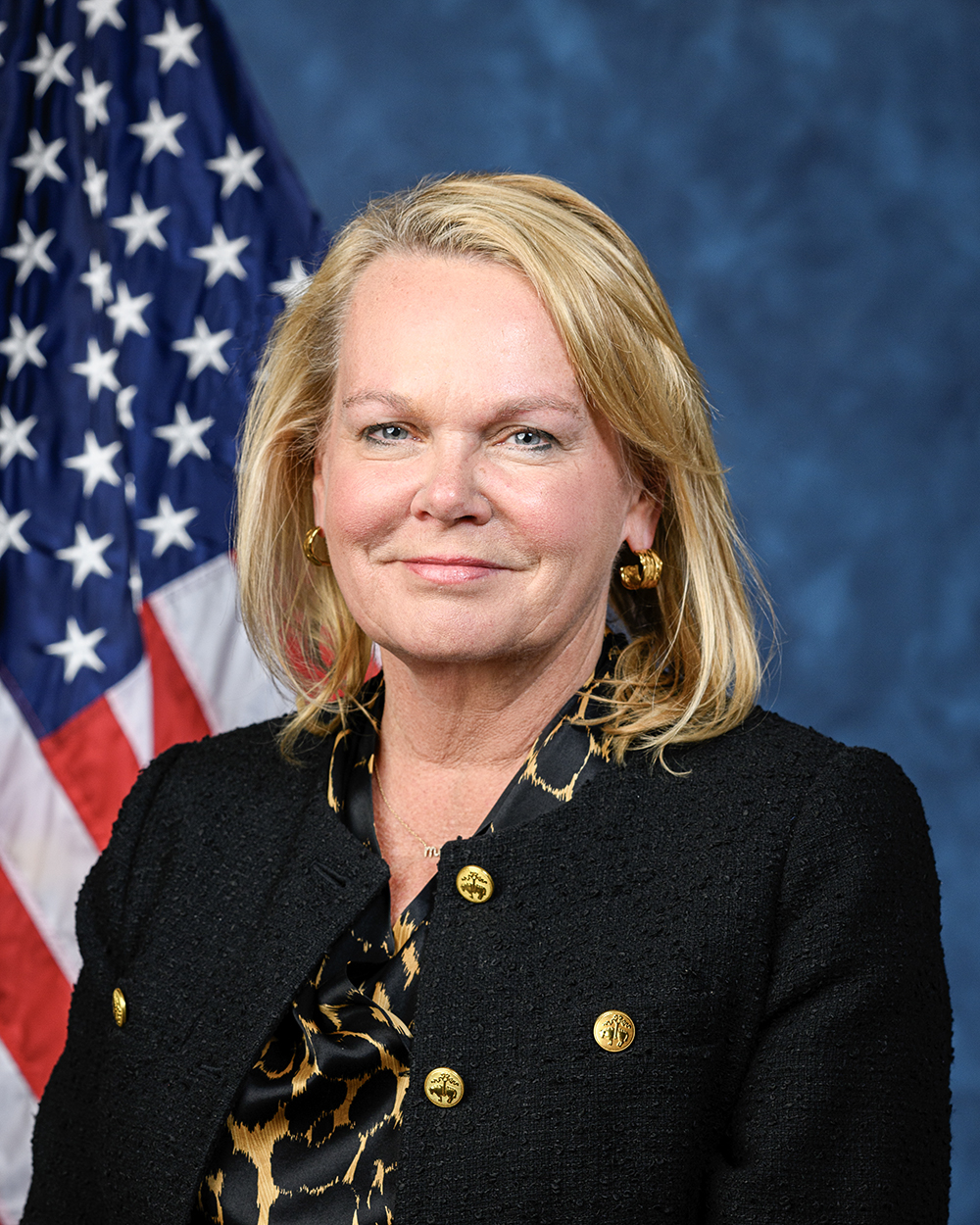
Rep. April McClain Delaney
Sponsored bills
Maddy summaryThis concurrent resolution (HCONRES 69) commemorates the 15th anniversary of the January 8, 2011, Tucson shooting that killed six people and injured 13, including former Congresswoman Gabby Giffords. It honors the victims, survivors, and Giffords - now a prominent advocate for gun violence prevention - and recognizes her leadership in promoting civility and reducing gun violence. The resolution also commends Tucson residents and first responders for their resilience and reaffirms Congress’s commitment to respectful dialogue and opposing political violence. As a ceremonial resolution, it does not create new laws or policies.
Maddy summaryHR 6989, the Public Health Nursing Act, provides $5 billion annually (2026-2035) to expand the public health nursing workforce through grants to state, local, and territorial health departments. It directly affects underserved communities by funding the recruitment, hiring, and training of registered nurses in areas with high chronic disease rates, maternal mortality, low-income populations, or rural settings. Key provisions require grant recipients to use funds for nurse wages, medical supplies (like PPE), and administrative costs, while prioritizing services for medically underserved groups and culturally appropriate care. The bill also mandates maintaining pre-grant funding levels and defines public health nurses as those providing preventive care, maternal health services, and chronic disease management.
Maddy summaryHR 4611 (EACH Act of 2025) requires all federally funded health programs - including Medicaid, Medicare, military health plans, and the Indian Health Service - to cover abortion services without restrictions, repealing the Hyde Amendment's long-standing ban on federal funding for most abortions. This directly affects millions of people enrolled in these programs, particularly low-income women, women of color (including 25% of Black women and 22% of Hispanic women on Medicaid), and young people. The bill mandates coverage in all federally administered health plans and prohibits state or private insurers from restricting abortion coverage in health insurance. It aims to eliminate current federal and state barriers that deny abortion access to people who rely on government health programs.
Maddy summaryHR 1404, the CHAMPVA Children’s Care Protection Act of 2025, expands healthcare eligibility under the CHAMPVA program for children of veterans. It increases the maximum age for children to receive medical benefits from 21 to 26 years old, regardless of marital status. This change directly affects dependent children of veterans who were previously eligible until age 21, extending coverage through their mid-twenties. The policy amendment applies to medical care provided on or after the bill’s enactment date.
Maddy summaryHR 6908, the Blue Envelope Awareness Act, creates a new program to help people with speech, hearing, or developmental disabilities communicate more effectively with police during traffic stops. The bill directs federal Byrne grant funds to support "blue envelope programs," which provide individuals with blue envelopes containing disability documentation to show officers and train law enforcement on interacting with these individuals. It amends existing law to define "blue envelope program" and add this funding authorization to the Omnibus Crime Control and Safe Streets Act. The bill directly affects people with disabilities who interact with police and law enforcement agencies receiving Byrne grants.
Maddy summaryThis bill establishes a digital system for TRICARE members to electronically file and track complaints about access to care at military medical facilities. It requires the Defense Department to create a system where beneficiaries can submit complaints online, view their status in real time, and have complaints automatically aggregated quarterly for review. The system mandates annual reports to Congress comparing complaint types (e.g., specialty vs. primary care, pediatric vs. non-pediatric, administrative hurdles) and detailing facility-level actions taken to address issues. The goal is to improve transparency and accountability in military healthcare access.
Maddy summaryThis bill extends the open enrollment period for 2026 health insurance plans from November 2025 to May 2026, giving more time for individuals to enroll. It creates a monthly special enrollment period for people with household income under 150% of the federal poverty line who qualify for premium tax credits. The bill also requires health insurance marketplaces to fund navigators (enrollment assistance organizations) with a physical presence in each state, and allocates $100 million annually for federal exchanges to support these services. These changes directly affect millions of Americans seeking affordable health coverage through the Affordable Care Act marketplaces.
Maddy summaryHR 6731, the "Restore Trust in Government Act," requires Members of Congress, the President/Vice President, and their spouses or dependent children to divest certain financial investments during federal service. It defines "covered investments" broadly (including stocks, commodities, and derivatives) but excludes Treasury bonds, municipal bonds, family farm interests, and some Alaska Native Settlement stock. Covered individuals must sell holdings within 90-180 days of taking office or enacting the law, with limited exceptions for qualified blind trusts or spouses’ occupational trading. Violations incur a 10% fee on the investment value and require returning profits, paid to the Treasury. Ethics offices enforce these rules, publish penalty details, and issue divestiture certificates.
Strengthening Agency Management and Oversight of Software Assets Act This bill requires federal agencies and Intelligence Community (IC) elements to assess their software inventory and develop software management plans. The bill requires each agency and each IC element to complete a comprehensive assessment of the software paid for by, in use at, or deployed throughout the agency or element. The assessment must include information such as (1) the current inventory of software; (2) contracts and other arrangements used to acquire, build, deploy, or use the software; (3) costs and fees not included in the initial contract or agreement; and (4) the interoperability of the software and restrictions on its use. Each agency and IC element must use their assessment to develop a plan to consolidate software entitlements, develop procedures for cost-effective acquisition strategies, and restrict subordinate entities from using any software entitlement without approval. (A software entitlement is software that has been purchased, leased, or licensed by or billed to an agency and that is subject to use limitations.) Such plans must be submitted to the Office of Management and Budget (OMB) and Congress. Within two years of enactment, OMB must submit recommendations to Congress regarding government software procurement policies and practices to • increase the interoperability of software licenses; • consolidate licenses when appropriate; • reduce costs; • improve performance; and • modernize the management and oversight of agency software. The GAO must report on certain related topics, including governmentwide trends in agency software asset management practices and comparisons of such practices among agencies.