

Maddy summaryThis resolution expresses the House of Representatives' strong support for designating April 19 through April 25, 2026, as "National Crime Victims' Rights Week." It recognizes the impact of crime on victims and survivors, appreciates organizations that assist them, and encourages continued efforts to support victims' rights and services.
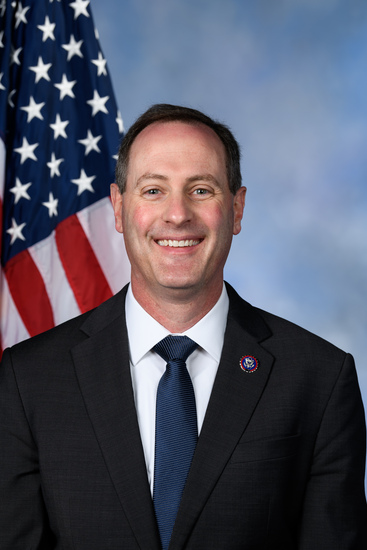
Rep. Tracey Mann
Sponsored bills
Maddy summaryThe "Accountable Produce is Medicine Act of 2026" mandates the creation of a new pilot program within the Center for Medicare and Medicaid Innovation. This program requires selected healthcare providers to offer a comprehensive set of "Accountable Produce is Medicine services" to eligible Medicare, Medicaid, and CHIP beneficiaries. These services, provided without patient cost-sharing, include healthy foods (like fruits and vegetables), nutrition counseling, care coordination, and remote monitoring for individuals with specific chronic diseases in underserved areas. Participating programs will screen patients, deliver these services for a year, and track health data to evaluate outcomes and cost savings over a period of at least five years.
Maddy summaryThe ALERT Act (HR 7613) requires the Federal Aviation Administration to improve aviation safety through several key measures. It mandates the evaluation and potential implementation of enhanced collision avoidance systems (ACAS-Xa) for commercial aircraft and ACAS-Xr for rotorcraft, with specific deadlines for rulemaking and installation. The bill establishes committees to develop recommendations for safety technology requirements, requires safety risk assessments for air traffic controllers, and addresses operational procedures at high-traffic airports like Ronald Reagan Washington National. These provisions affect air carriers, air traffic controllers, rotorcraft operators, and Department of Defense aircraft operations. The act aims to enhance situational awareness and reduce midair collision risks through technology upgrades and improved safety protocols.
Maddy summaryThis resolution requires Members of Congress who must reimburse the Treasury for payments related to sexual harassment or discrimination claims to publicly disclose the details of those reimbursements in the House chamber. It mandates that the Office of Congressional Workplace Rights report these cases to the Clerk, who will then read the Member's name, the reimbursement amount, and related information aloud during a House session. Members who fail to comply within 30 days face restrictions on committee assignments and leadership duties, while former Members are barred from entering the House building until they complete reimbursement and undergo the public disclosure process. The measure also establishes that failures to comply with these requirements can be investigated separately by the House Ethics Committee.
Maddy summaryThis resolution expresses appreciation for the contributions of American cowboys and historic cattle trails to the nation's history, particularly in celebrating the 250th anniversary of the Declaration of Independence. It recognizes the diverse roles of Mexican, Black, Native American, and White cowboys who drove cattle along trails like the Chisholm and Shawnee Trails across multiple states. The bill encourages local celebrations of this legacy as part of the national anniversary observances.
Maddy summaryThis bill expands the Commodity Futures Trading Commission's ability to cooperate with foreign regulatory bodies by formally defining what constitutes a foreign futures authority and updating related legal definitions to include swaps and commodities. It authorizes the Commission to accept assistance from U.S. federal agencies and allows for temporary exchanges of staff with foreign governments without requiring reciprocal arrangements. The legislation also establishes rules for reimbursable or non-reimbursable agreements with foreign entities and requires detailed foreign officials to follow U.S. ethics standards while prohibiting them from holding management positions at the Commission.
Maddy summaryThis bill (HR 7084) restricts U.S. port access for vessels arriving from specific Western Hemisphere ports that have been seized or expropriated by foreign governments from U.S. owners. It applies only to ports in countries with U.S. free trade agreements, where the port or its exclusive access land (owned by a U.S. person) was nationalized without proper compensation. The President must designate such ports if a foreign government seizes U.S. property under a free trade agreement, and may deny entry to vessels transiting those designated ports until the dispute is resolved. This policy change directly affects U.S. vessel operators and foreign governments involved in property disputes, requiring the President to remove designations once compensation is provided or the dispute is resolved.
Maddy summaryThis resolution expresses support for the United Nations designation of 2026 as the International Year of Rangelands and Pastoralists. It recognizes the economic, social, and ecological importance of rangelands and the ranchers, farmers, and land managers who steward them. The measure encourages federal agencies, universities, and organizations to promote education, research, and outreach related to rangeland management during this designated year.
Maddy summaryThis bill, titled the Fair Treatment of Religious Organizations Act of 2026, establishes rules for how religious organizations are treated under federal tax law and financial assistance programs. It directs the IRS to determine whether an organization's purpose is religious without considering its specific beliefs about marriage, sexuality, or gender identity, even if those beliefs conflict with current laws. The legislation also prohibits federal agencies from discriminating against religious employers that receive federal funding if those employers hire staff based on their religious standards. These protections apply to religious corporations, associations, educational institutions, and societies, ensuring they can maintain employment practices aligned with their faith when receiving government support.
Maddy summaryHR 3420, the Words Matter Act of 2025, updates federal law to replace the terms "mentally retarded" and "mental retardation" with "intellectual disability" across numerous statutes. It amends over 20 provisions in laws governing healthcare (like the Social Security Act and Indian Health Care Improvement Act), disability services, criminal justice, and federal programs to use more respectful and current terminology. The bill specifically targets definitions in areas such as medical care for families, nursing home regulations, legal sentencing, and grant programs, ensuring consistent language for individuals with intellectual disabilities. The legislation explicitly states this terminology change is purely linguistic and does not alter eligibility, coverage, or rights for affected individuals.