

Maddy summaryHR 3831, the Florida Safe Seas Act of 2025, amends an existing federal law to specifically include Florida in a prohibition against feeding sharks within the exclusive economic zone off the Florida coast. The bill modifies Section 317 of the Magnuson-Stevens Fishery Conservation and Management Act to replace "the State" with "the States" and add "and Florida" after Hawaii, ensuring Florida is explicitly covered under the current rule. This is a technical correction to clarify that Florida's waters are included in the existing federal ban on shark feeding, which already applied to Hawaii. The bill does not create new restrictions but formally extends the existing prohibition to Florida's exclusive economic zone. It directly affects activities involving shark feeding by vessels operating in Florida's offshore waters under federal jurisdiction.
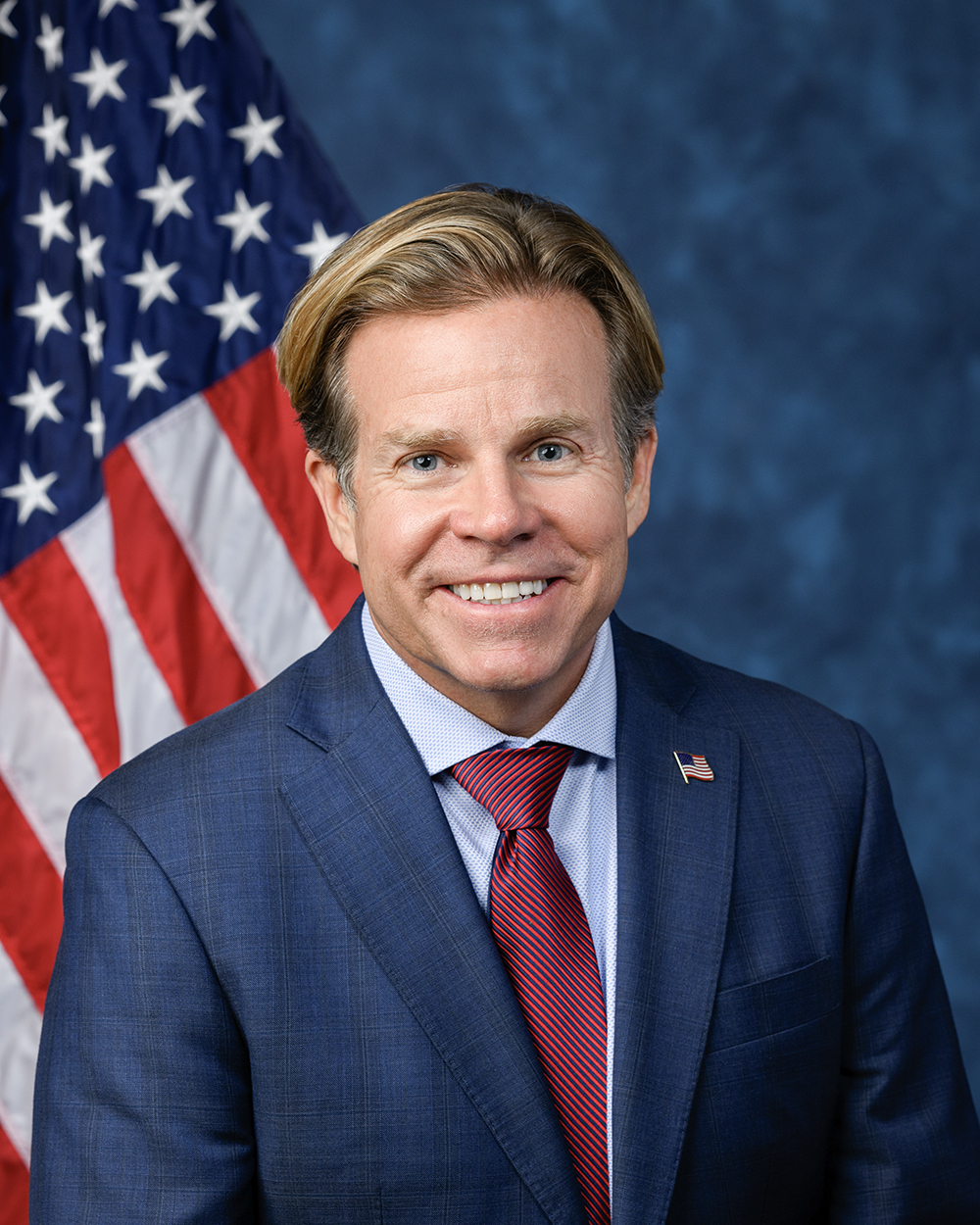
Rep. Mike Haridopolos
Sponsored bills
Maddy summaryThis bill appropriates $3.5 billion to help Florida farmers and growers recover from the severe freeze that occurred in March 2026. The funds are distributed as block grants specifically to cover losses in crops, trees, bushes, and vines caused by the cold weather, including compensation for multi-year crops. Assistance is restricted to counties officially designated as disaster areas by the Secretary of Agriculture on March 4, 2026, and requires a request from a state agriculture department to release the money. The Secretary of Agriculture must also submit quarterly reports to Congress detailing how the funds are being used until the budget is exhausted.
Maddy summaryThis resolution expresses support for the Trump administration's efforts to combat fraud, waste, and abuse in Medicare, Medicaid, and other federal health care programs. It highlights specific actions taken, such as using advanced technology to detect fraud, suspending billions of dollars in suspected fraudulent payments, and coordinating with law enforcement to prosecute offenders. The document also acknowledges the creation of a new task force designed to lead a governmentwide strategy against fraud in federal benefit programs. Ultimately, the bill serves as a formal recognition of these initiatives rather than introducing new laws or policy changes.
Maddy summaryThe American Reserve Modernization Act of 2026 directs the U.S. Treasury to create two new accounts: a Strategic Bitcoin Reserve for Bitcoin acquired through government forfeiture and a Digital Asset Stockpile for other digital assets. The bill mandates that all Bitcoin held in the reserve be kept for at least 20 years, with strict rules against selling or disposing of these assets during that time. It also establishes a transparency system requiring quarterly public reports and third-party audits to verify the government's holdings and management of these digital assets.
Maddy summaryThe Stop Gang Violence Act requires the Federal Bureau of Investigation to include information on suspected gang-related offenses in its existing reports to the National Gang Intelligence Center. This change directly affects the FBI and federal law enforcement agencies by expanding the data they must collect and share regarding gang activities. The bill does not create new crimes or alter penalties but instead mandates a specific reporting procedure to improve the tracking of gang involvement in criminal cases.
Maddy summaryThe One Giant LEAP Act directs the Secretary of Transportation to create an online portal for processing commercial space launch licenses within one year of the bill's enactment. This system will allow applicants to submit and modify applications, track all communications between the government and stakeholders, and manage related documentation in one place. The portal will also display detailed timelines and status updates for each application to both the Secretary and the public, increasing transparency in the approval process.
This concurrent resolution expresses support for law enforcement officers. It also appreciates the contributions and recognizes the sacrifices of law enforcement officers.
Maddy summaryThis bill, known as the Bulletproof Law Enforcement Vehicles Act, directs the Department of Homeland Security to allow funding for upgrading law enforcement vehicles with security features like bulletproof windows. By amending an existing law, it expands the types of vehicle enhancements that can be financed with current federal assistance programs. The change specifically authorizes the use of these funds for protective upgrades without creating new budgetary requirements. Law enforcement agencies that receive federal financial assistance would be the primary beneficiaries of this expanded eligibility.
Maddy summaryThe Answering the Call Act of 2026 aims to improve access and outreach for the 9-8-8 National Suicide Prevention Lifeline specifically for first responders, including law enforcement, firefighters, and EMTs. It directs the Secretary of Health and Human Services to conduct outreach activities, in coordination with first responder organizations, to promote 9-8-8 and address barriers like stigma and privacy concerns. The bill also authorizes grants for public awareness campaigns, mandates specialized trauma-informed training for 9-8-8 counselors to serve first responders, and requires data collection on their hotline use with privacy safeguards. Additionally, it establishes a pilot program for federal agencies and first responder organizations to collaborate on tailoring these outreach efforts.
Maddy summaryThis bill would amend federal law to strengthen penalties for organized retail crime by expanding definitions of theft to include digital goods, gift cards, and setting a $5,000 aggregate value threshold for charges over a 12-month period. It would establish a new "Organized Retail and Supply Chain Crime Coordination Center" under Homeland Security to coordinate Federal, State, local, and Tribal law enforcement efforts against cross-jurisdictional theft groups. The Center would share information with retailers, transportation companies, and law enforcement agencies, track crime trends, and produce annual reports on organized retail crime. This legislation directly affects retailers, supply chain businesses, and law enforcement agencies, while targeting organized crime groups responsible for a 93% increase in larceny incidents and rising safety concerns for retail employees. The bill aims to address significant financial losses and supply chain disruptions noted in the National Retail Federation's 2023 data.