

Maddy summaryThe Downpayment Toward Equity Act of 2025 creates a federal program to provide financial assistance to first-generation homebuyers for down payments, closing costs, and other home purchase expenses. It authorizes $100 billion in funding to be distributed through states and eligible entities, with grants that can cover up to $20,000 or 10% of a home's purchase price (whichever is greater). To qualify, homebuyers must meet income limits (up to 120-140% of median area income), be first-time homebuyers with no prior home ownership by their parents, and complete homebuyer counseling. The program requires recipients to occupy homes as primary residences for at least five years, with repayment required if they sell sooner, and states must report on program demographics to ensure equitable outcomes.
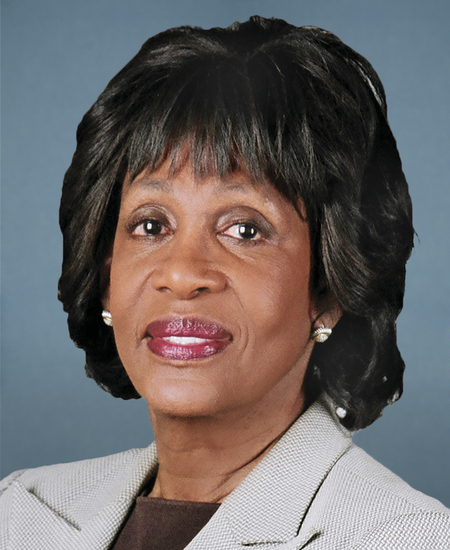
Rep. Maxine Waters
Sponsored bills
Maddy summaryHR 3941 would repeal Section 5123 of Public Law 118-159, which is part of the Caesar Syria Civilian Protection Act of 2019. This bill specifically targets one provision within the larger 2023 law, removing that particular section from federal law. It does not affect the rest of the Caesar Act or its core sanctions framework. The bill's direct effect is solely on the repealed section of the existing law. This is a procedural change focused on eliminating a specific legal provision.
Maddy summaryThis bill codifies existing protections for designated roadless areas within the National Forest System by prohibiting new road construction, road reconstruction, and logging in these areas. It directly affects National Forest lands already identified as "inventoried roadless areas" under the current Roadless Rule, which covers roughly 58 million acres. The key mechanism requires the Secretary of Agriculture to enforce these prohibitions, maintaining current protections without expanding restrictions to other lands or altering existing multiple-use management. The bill does not create new protected areas but legally solidifies the existing regulatory framework to preserve ecological and recreational values.
Maddy summaryThis bill prevents colleges and universities from requiring students to sign enrollment agreements that force them to resolve disputes through private arbitration instead of in court. It specifically removes the Federal Arbitration Act from student enrollment contracts (where students pay for education) and amends the Higher Education Act to prohibit institutions from enforcing restrictions on students' ability to pursue legal claims - such as limiting jury trials, choice of venue, or applicable law. The law directly affects students who enroll in higher education programs and the institutions that require such contracts. It takes effect one year after enactment.
Maddy summaryThis bill requires private firearm transfers between individuals to go through a licensed dealer who must conduct a background check. It applies to most private sales but includes exceptions for transfers between family members (like parents and children), law enforcement, emergencies preventing harm, and temporary loans at shooting ranges or for hunting. Dealers must provide background check notices in both English and Spanish. The law aims to prevent prohibited individuals from obtaining firearms through private transactions while maintaining existing state authority on firearm laws.
Maddy summaryHR 3829 requires the Financial Crimes Enforcement Network (FinCEN) and the Small Business Administration (SBA) to create a formal agreement within 90 days to improve outreach about beneficial ownership reporting requirements. The agreement mandates joint efforts to help small businesses - specifically reporting companies under the Corporate Transparency Act - understand and comply with registration rules through resource partners like small business development centers, multilingual materials, and virtual/in-person town halls. It also requires quarterly reports to Congress tracking outreach efforts, compliance rates, and strategies to address non-compliance. This bill focuses on coordination, not changing the underlying registration rules, to support small businesses navigating existing federal requirements.
Maddy summaryHR 3757, the Pride In Mental Health Act of 2025, provides $20 million annually (2026-2030) to fund grants for mental health services targeting LGBTQ+ youth, including nonbinary, intersex, and Two Spirit youth, and their families/caregivers. The bill mandates grantees to provide trauma-informed care, cultural competency training, school bullying prevention guidelines, and evidence-based practices while explicitly prohibiting the use of funds for conversion therapy or its promotion. It also requires the federal government to restore mental health reports on LGBTQ+ youth, conduct a national survey measuring mental health distress, and produce a report on mental health services for LGBTQ+ youth in foster care. The law directly affects these youth populations by expanding access to tailored mental health resources and data collection, with funding administered through the Substance Abuse and Mental Health Administration.
Maddy summaryHRES 473 is a non-binding House resolution calling on the U.S. government to urgently use diplomatic efforts to ensure food and medical supplies reach civilians in Gaza. It directly addresses the needs of approximately 2.2 million Palestinians facing acute hunger, including 10,000 children identified with acute malnutrition, following a border blockade that blocked aid from March to May 2025. The resolution specifically urges the White House and State Department to secure "immediate and secure delivery and disbursement" of aid and a lasting end to the conflict, citing collapsed bakeries, exhausted food rations, and a near-total health system collapse.
Maddy summaryThis bill reorganizes collective bargaining rules for Veterans Health Administration (VHA) employees by removing existing subsections (b), (c), and (d) from Section 7422 of Title 38 and redesignating the current subsection (e) as (b). It directly affects VA health care employees by altering the structure of their collective bargaining framework. The bill explicitly states it does not change the Secretary of Veterans Affairs' existing authorities over incentive pay or expedited hiring under Section 706 of Title 38. The change is purely procedural, focusing on the internal organization of bargaining rules without introducing new employee benefits or obligations.
Maddy summaryThe FIRE Act would extend workplace safety protections under OSHA and labor rights under FLSA to incarcerated firefighters who work in correctional facilities. It defines "incarcerated firefighter" as someone performing firefighting duties while incarcerated, including in prison work programs, facility maintenance, or emergency response services. The bill requires states and federal prisons to report on workplace safety conditions and provides grants to help states implement these protections. It also establishes an expungement process for certain criminal records of eligible incarcerated firefighters who have completed their sentences. This legislation aims to improve safety for incarcerated firefighters while creating pathways for their successful reentry into communities as firefighters.