

Maddy summaryThis bill prohibits petroleum refineries from using hydrofluoric acid (HF) for gasoline production. New refineries cannot use HF after the law takes effect, and existing refineries must switch to safer alternatives within 5 years. Refineries that fail to comply face a $37,500 civil penalty per violation, and the law blocks waivers for this requirement. The measure targets 40 refineries using HF - potentially exposing 14 million nearby residents to severe health risks - and mandates adoption of commercially available, safer refining methods already used in most U.S. refineries.
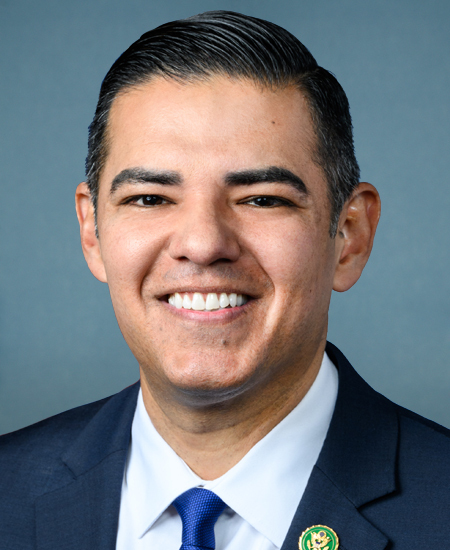
Rep. Robert Garcia
Sponsored bills
Maddy summaryHR 7335 establishes comprehensive humanitarian standards for individuals held in U.S. Immigration and Customs Enforcement (ICE) and U.S. Customs and Border Protection (CBP) custody. The bill requires facilities to provide immediate health screenings within 12 hours (6 hours for high-risk individuals like children, pregnant people, or those with medical conditions), ensure access to adequate water, sanitation, food (with 2,000+ calories daily for adults), and age-appropriate shelter. It mandates specific facility standards including separate housing for males and females, accessible accommodations for people with disabilities, daily outdoor access for those detained over 48 hours, and proper medical equipment and personnel on-site. The bill also requires regular inspections, staff training on humanitarian protocols, and public reporting of sexual abuse complaints. These standards directly affect all individuals detained by ICE or CBP, with special protections for vulnerable groups like children, pregnant people, and those with medical needs.
Maddy summaryHR 7265, the Vote by Mail Tracking Act, requires all government entities sending mail-in ballots for federal elections to use a standardized Postal Service barcode on ballot envelopes. This barcode enables tracking of each individual ballot, while also mandating specific envelope designs and machineability standards set by the Postal Service. The bill applies to all mail-in ballots for federal office elections starting in 2026, but excludes Federal write-in absentee ballots under the Uniformed and Overseas Citizens Absentee Voting Act. The Postmaster General must provide compliance guidance to government entities by June each year to implement the tracking system.
Maddy summaryHR 5658, the Child Care for Every Community Act, establishes a federal framework to create universal, high-quality child care and early learning programs available to all young children not yet required to attend school. The bill requires that covered children (children below compulsory school age) be entitled to participate in these programs, with no fees for low-income families and sliding-scale fees for others based on family income. Key provisions include requiring full-working-day, full-calendar-year care; setting national quality standards for staff qualifications and facilities; mandating comprehensive services including health, nutrition, and family support; and requiring coordination with schools to support children's transitions to kindergarten. The bill directly affects families seeking child care, child care providers, and local communities that would administer these programs through designated "prime sponsors."
Maddy summaryHR 7307, the SUPPLIES Act, requires the State Department and USAID to create procedures within 60 days for handling unused supplies (like medicine, vaccines, or food) after foreign aid projects end. These procedures must prioritize preventing waste by ensuring supplies aren't destroyed, diverted, or expired without use. The bill mandates that these procedures be published online by both agencies. It directly affects U.S. government agencies and foreign aid partners managing aid supplies. The law defines "commodity" broadly to include perishable items held in warehouses or storage facilities for foreign assistance programs.
Maddy summaryHR 7297, the "ICE and CBP Constitutional Accountability Act," creates a direct legal path for individuals harmed by ICE or CBP officers to sue the U.S. government for constitutional violations. The bill amends the Federal Tort Claims Act to allow lawsuits when officers violate rights like due process, privacy, or free speech - without requiring proof that a government policy caused the harm. Monetary damages would come from specific federal appropriations, and the government waives its usual immunity from such lawsuits. This directly affects people subjected to unlawful immigration enforcement actions by these agencies. The bill does not change agency operations but provides a new civil remedy for victims.
Maddy summaryHJRES 144 is a congressional disapproval resolution targeting a specific rule issued by the Department of Veterans Affairs (VA) on December 31, 2025, which addressed "Reproductive Health Services" (90 Fed. Reg. 61310). This resolution directs Congress to disapprove the VA rule under Chapter 8 of Title 5, U.S. Code, meaning the rule would have no legal effect if passed. The bill directly affects the VA's implementation of reproductive health services for veterans, as it seeks to nullify the agency's existing policy. This is a procedural measure, not a substantive policy change, aimed solely at blocking the VA's rule through congressional action.
Maddy summaryHR 659, the Veterans Law Judge Experience Act of 2025, changes how the Board of Veterans’ Appeals appoints new judges. It requires the Board’s Chairman to prioritize candidates with at least three years of legal experience in areas related to veterans' laws when recommending people to the Secretary. This directly affects individuals applying for Veterans Law Judge positions by making specific legal experience a key factor in appointments. The bill does not alter veterans' benefits but aims to ensure judges have relevant legal expertise in handling veterans' cases.
Maddy summaryHR 7238 establishes a Commission to investigate historical discrimination against LGBTQ+ service members in the military, including policies that led to discharges and denied benefits. The Commission will gather testimonies from affected veterans and servicemembers, study impacts on mental health, benefits access, and force readiness, and recommend remedies like record corrections and compensation. This bill directly affects LGBTQ+ veterans and current service members who faced discharge or denial of care due to their sexual orientation or gender identity. The Commission must submit a final report to Congress within one year, outlining findings and proposed actions.
Maddy summaryThe PrEP Access Act expands Medicare Part B coverage to include pharmacist-provided HIV prevention services, such as pre-exposure prophylaxis (PrEP) counseling, medication administration, and related testing. It directly affects Medicare beneficiaries (primarily seniors) and pharmacists, allowing pharmacists to bill Medicare for these services under state law. Key provisions set payment at 80% of the lesser of actual charges or 85% of physician rates, and prohibit balance billing for these services. The policy change takes effect January 1, 2027, making PrEP more accessible through pharmacy settings.