

Protecting Americans from Unnecessary Spread upon Entry from COVID-19 Act of 2021 or the PAUSE Act of 2021 This bill maintains immigration restrictions put in place under public health emergency authorities to prevent the introduction of COVID-19 (i.e., coronavirus disease 2019) from foreign countries. Specifically, the bill prohibits the Department of Health and Human Services from rescinding or reducing the stringency of the restrictions. It also prohibits the Department of Homeland Security from stopping or reducing enforcement of the restrictions. These prohibitions remain in effect until (1) federal and state COVID-19 emergency orders are lifted, and (2) the risk of introducing COVID-19 in or from Canada and Mexico is minimal.
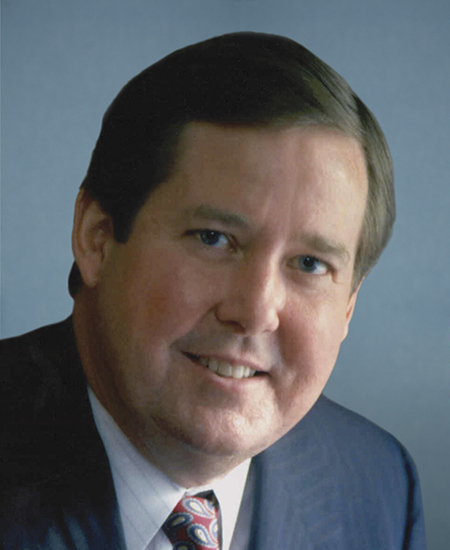
Rep. Ken Calvert
Sponsored bills
Federal Accountability in Chemical Testing Act or the FACT Act This bill requires the Interagency Coordinating Committee on the Validation of Alternative Methods to report on progress in developing, validating, and promoting regulatory acceptance and use of toxicological testing methods that replace or reduce the use of animals. Federal agencies that require or recommend toxicological testing must provide the committee with information necessary for this reporting.
Protecting Life in Crisis Act This bill specifies that federal funds allocated for COVID-19 (i.e., coronavirus disease 2019) response efforts may not, in general, be used for abortions. Current law generally prohibits the use of federal funds for abortions through language included in appropriations bills, such as the Hyde Amendment. The bill also restricts the use of federal tax credits or other federal funding for health insurance coverage if the coverage includes abortions.
Reducing Environmental Barriers to Unified Infrastructure and Land Development Act of 2021 Act or the REBUILD Act This bill sets forth a process to authorize states to assume the environmental review responsibilities of federal agencies. Specifically, it allows states to oversee the environmental review required under certain federal environmental laws for projects funded by, carried out by, or subject to approval by federal agencies.
This resolution expresses the gratitude of the House of Representatives to the members of the National Guard and law enforcement agencies who were deployed to the District of Columbia to ensure a safe and secure environment for the 59th inauguration.
This bill authorizes the use of the Capitol rotunda on February 3, 2021, for a memorial service honoring Officer Brian Sicknick of the U.S. Capitol Police. The memorial service shall include Officer Sicknick's lying in honor in the rotunda, and the Architect of the Capitol shall place a plaque in honor of Officer Sicknick near the Capitol steps. The Sergeant at Arms of the House of Representatives and the Sergeant at Arms and Doorkeeper of the Senate must make arrangements for funeral services in the Capitol for Officer Sicknick, including payments for travel expenses of immediate family members and the attendance of Members of Congress. The bill also requires that any funds received by the Capitol Police Board in response to the attack on the U.S. Capitol on January 6, 2021, be deposited into the United States Capitol Police Memorial Fund.
Employee Bonus Protection Act This bill excludes from an employee's regular pay rate, for purposes of calculating overtime compensation, payments made to reward an employee or group of employees for meeting or exceeding the productivity, quality, efficiency, or sales goals specified in writing in a gainsharing plan, incentive bonus plan, commission plan, or performance contingent bonus plan.
Military Child Educational Freedom Act This bill modifies the requirements for tax-exempt Coverdell education savings accounts to permit members of the Armed Forces serving on extended active duty or their spouses to use the accounts for certain education expenses incurred in connection with a home school that provides elementary or secondary education. The home school must be treated under state law as a home school or a private school.
Access Technology Affordability Act of 2021 This bill allows a refundable tax credit equal to the amounts paid for qualified access technology for use by a blind individual who is the taxpayer, the taxpayer's spouse, or a dependent of the taxpayer. Qualified access technology is hardware, software, or other information technology with the primary function of converting or adapting information that is visually represented into forms or formats useable by blind individuals. The credit is limited to (1) costs that are not compensated by insurance or otherwise, and (2) an aggregate amount of $2,000 per blind individual in any period of three consecutive taxable years. The credit must be adjusted for inflation after 2021 and terminates after 2026.
No Taxpayer Funding for the World Health Organization Act This bill prohibits the United States from providing any assessed or voluntary contributions to the World Health Organization.