

Maddy summaryThis joint resolution directs Congress to disapprove a specific foreign military sale of defense articles and services to Turkey. The measure targets the provision of engines, technical data, and related support for the TF-X aircraft, which was proposed for sale in June 2026. By prohibiting this transaction, the bill prevents the transfer of these specific defense capabilities to the Turkish government. It directly affects the proposed sale and the entities involved in supplying the F110-GE-129E/F engines.
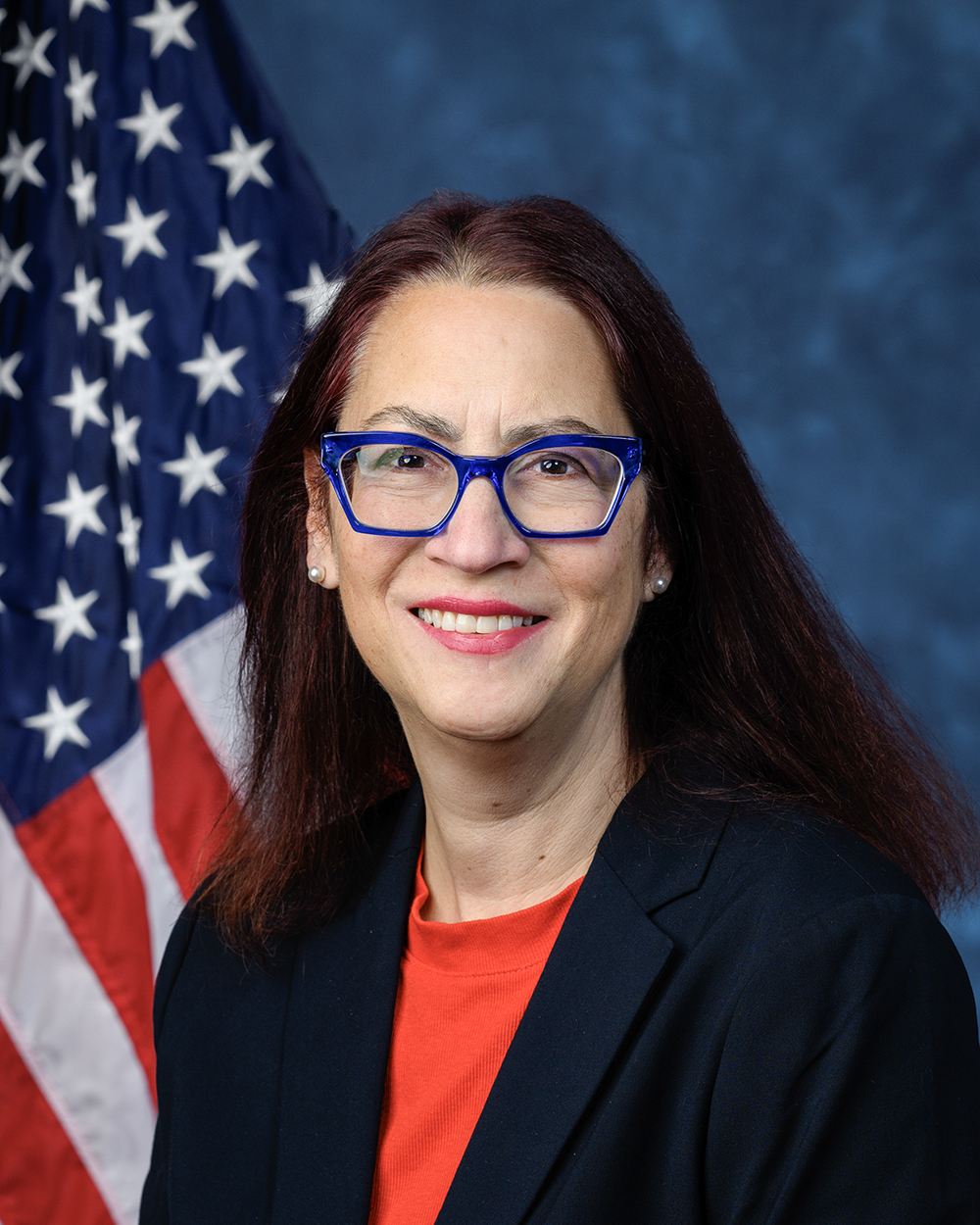
Rep. Laura Friedman
Sponsored bills
Maddy summaryThis resolution commemorates the 250th anniversary of the United States by reaffirming the nation's historical commitment to separating church and state. It highlights key constitutional principles, such as the First Amendment and the prohibition of religious tests for public office, which protect individual religious freedom and prevent government endorsement of specific beliefs. The document cites historical figures like Thomas Jefferson and James Madison to underscore the importance of maintaining a secular government that safeguards religious pluralism. Ultimately, the measure serves as a formal statement of values rather than a law that changes existing policies or imposes new requirements.
Maddy summaryThis bill, titled the Encouraging Public Service in Our National Parks and Public Land Act, requires the Secretary of the Interior to make specific federal recreational lands and waters free of admission fees on designated dates throughout the year. The key provision mandates that these free access days include Martin Luther King Jr. Day, the first day of National Park Week, Juneteenth, Great American Outdoors Day, National Public Lands Day, and Veterans Day. Additionally, the legislation grants the Secretary the authority to establish extra fee-free days beyond those listed. These changes directly affect visitors to national parks and other federal recreational areas by providing them with guaranteed free entry on these holidays and observances.
Maddy summaryThe Health and Location Data Protection Act of 2026 prohibits data brokers from buying, selling, or sharing specific types of personal information, including an individual's health data and location history. This ban applies to any entity that resells data it did not collect directly from the person, though it allows exceptions for actions compliant with existing HIPAA rules, newsworthy reporting, and disclosures where the individual has given valid consent. The Federal Trade Commission is tasked with defining exactly what counts as "data" and issuing final rules within 180 days of the law's enactment. Violations of these restrictions can lead to enforcement actions by the FTC, state attorneys general, or private individuals, potentially resulting in civil penalties of up to 15 percent of the violator's annual revenue. The legislation also includes a funding provision that appropriates $1 billion to the FTC for fiscal year 2027 to support its work under this act.
Maddy summaryThis bill authorizes Congress to award a Congressional Gold Medal to American individuals and organizations that rescued Jews and other refugees from Nazi persecution between 1933 and 1945. The legislation directs the Speaker of the House and the President pro tempore of the Senate to arrange for the creation and presentation of a single gold medal, which will be given to the United States Holocaust Memorial Museum for display and research. Additionally, the bill permits the Secretary of the Treasury to produce duplicate bronze versions of the medal for sale, with the proceeds funding the mint's public enterprise fund.
Maddy summaryThe Public Access Protection Act directs the Army Corps of Engineers to preserve public recreational access when building water projects that impact parks, trails, or open spaces. It requires the Secretary of the Army to maintain equivalent levels of access, minimize disruptions through better planning, and provide alternative routes if needed during construction. Additionally, the bill mandates that feasibility studies for these projects include a specific plan to ensure continued public access to hiking, biking, walking, and water recreation facilities.
Maddy summaryThe Postsecondary Student Success Act of 2026 creates a competitive grant program to help colleges improve graduation rates for high-need students, including those from low-income backgrounds, first-generation families, and military-connected individuals. To receive funding between 2027 and 2032, eligible institutions must submit plans detailing how they will use evidence-based strategies, such as better advising, accelerated learning options, and improved transfer pathways, to support student retention and completion. The law requires that at least 20 percent of the available funds go to projects using the most rigorously tested methods and mandates that 2 percent be reserved specifically for Tribal Colleges and Universities. Additionally, the Department of Education must evaluate the effectiveness of these programs and report the results to Congress within 18 months of the bill's enactment.
Maddy summaryThe Pedestrian Protection Act directs the federal government to update vehicle safety standards to better protect pedestrians, bicyclists, and other vulnerable road users. It requires the Secretary of Transportation to create new rules within three years regarding vehicle design features like hoods, bumpers, and weight, as well as minimum visibility standards within four years. Additionally, the bill mandates that the government publish comparative ratings for these safety technologies and develop a system to inform consumers about how well a vehicle allows drivers to see vulnerable road users. These changes aim to reduce collisions and injuries by establishing specific performance criteria that vehicle manufacturers must meet.
Maddy summaryThe Keep Public Funds in Public Schools Act of 2026 eliminates a federal tax credit that allowed parents to deduct contributions to scholarship granting organizations from their income. By removing these specific tax breaks, the bill prevents the use of public tax dollars to support private school vouchers and scholarship programs. This change directly affects families who currently rely on these tax incentives to fund education outside the public school system. The provisions take effect for taxable years beginning after December 31, 2026.
Maddy summaryThis joint resolution seeks to reject a specific rule issued by the Department of Health and Human Services regarding the Child Care and Development Fund. By invoking a statutory process, the bill aims to prevent the rule from taking effect, which would stop the Department from implementing the proposed changes to child care funding flexibility. The measure directly impacts the administration of federal child care assistance programs and affects families and organizations relying on the CCDF. If passed, the original regulations published in May 2026 would be nullified and have no legal force.