

Maddy summaryThis bill establishes a federal grant program to boost domestic sales of U.S.-grown specialty crops (like fruits, vegetables, nuts, and nursery products). It authorizes $75 million annually to fund grants for eligible organizations - such as agricultural trade groups, cooperatives, or state agencies - that develop marketing plans for domestic promotion. Grantees must provide at least 25% non-Federal matching funds (including in-kind support) and cannot use funds to promote foreign products or most for-profit corporations. The program includes strict oversight, requiring annual reviews, spending audits, and evaluations to ensure funds effectively expand domestic markets for specialty crops.
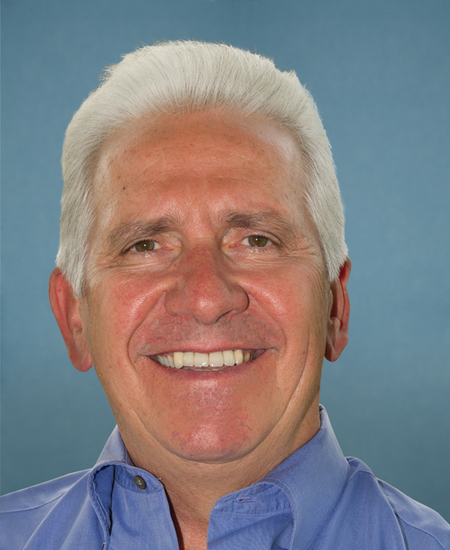
Rep. Jim Costa
Sponsored bills
Maddy summaryHR 4782, the Local Farmers Feeding our Communities Act, establishes a USDA program to connect local farmers with food distribution networks. It requires eligible entities (like state agriculture agencies) to use funds to purchase unprocessed or minimally processed local foods from covered producers - including at least 25% from small-size, mid-size, beginning, or veteran farmers - while providing technical assistance for food safety and supply chains. The bill allocates $200 million annually (2026-2030) from the Commodity Credit Corporation, mandating 10% for Tribal governments and 1% per state before distributing remaining funds. This directly supports regional food security by boosting economic opportunities for local farmers and improving access to fresh, nutritious food through established distribution channels.
Maddy summaryHR 909, the Crime Victims Fund Stabilization Act of 2025, modifies how funds from the False Claims Act are deposited into the Crime Victims Fund. It specifies that from 2025 through 2029, certain False Claims Act proceeds (specifically those for qui tam plaintiff payments and government damage reimbursements) cannot be deposited into the fund. This change directly affects the composition of the Crime Victims Fund by excluding these specific revenue streams during the specified period. The bill does not create new benefits or alter victim services; it only adjusts fund allocation rules for existing False Claims Act revenues.
Maddy summaryHR 7016, the "No Funds for NATO Invasion Act," blocks federal funding for any U.S. military invasion of a North Atlantic Treaty Organization (NATO) member country or territory covered by NATO's Article 5 mutual defense clause. The bill prohibits using any federal funds for such invasions and bans U.S. officials from executing these actions. It directly affects U.S. military operations and funding decisions involving NATO members. The law applies to all federal spending, preventing the use of existing budgets for this specific purpose.
Maddy summaryThis concurrent resolution (HCONRES 69) commemorates the 15th anniversary of the January 8, 2011, Tucson shooting that killed six people and injured 13, including former Congresswoman Gabby Giffords. It honors the victims, survivors, and Giffords - now a prominent advocate for gun violence prevention - and recognizes her leadership in promoting civility and reducing gun violence. The resolution also commends Tucson residents and first responders for their resilience and reaffirms Congress’s commitment to respectful dialogue and opposing political violence. As a ceremonial resolution, it does not create new laws or policies.
Maddy summaryThis resolution (HRES 980) commemorates the one-year anniversary of the 2025 Southern California wildfires, which impacted communities like Pacific Palisades and Altadena. It honors the 31 people who lost their lives, commends first responders who fought the fires, and affirms the House's ongoing support for affected communities. The resolution is purely ceremonial and does not create new laws, allocate funds, or change existing policies. It directly affects the Southern California communities devastated by the wildfires and their residents.
This resolution expresses the sense of the House of Representatives that (1) Congress should adopt a fiscal target to reduce the federal budget deficit to 3% of gross domestic product or less as soon as possible and no later than the end of FY2030; and (2) after the target is achieved, Congress should continue to pursue further deficit reduction with the goal of achieving a balanced federal budget.
Maddy summaryHJRES 136 would require the President to issue an annual proclamation designating a day as "Democracy Day" each year. The proclamation must call on state and local governments, as well as educational authorities, to observe the day through programs and activities promoting civic engagement. The bill does not specify which date must be designated, leaving that decision to the President annually. This is a procedural measure focused on directing an existing executive action to foster democratic awareness, without creating new laws or altering existing policies.
Maddy summaryThis resolution (HRES 969) expresses support for designating the week beginning September 8, 2025, as "National Hispanic-Serving Institutions Week." It recognizes colleges and universities with at least 25% Hispanic undergraduate enrollment (known as Hispanic-Serving Institutions or HSIs) and their role in serving diverse, low-income students. The resolution does not create new policies or funding but encourages public observance through ceremonies and activities to honor HSIs’ contributions to higher education access and economic mobility. It applies symbolically to all 615+ HSIs across the U.S. and Puerto Rico.
Maddy summaryHRES 963 is a non-binding House resolution condemning antisemitism amplified by AI platforms and urging tech companies to implement safeguards. It directly affects AI developers and social media companies by requiring them to adopt transparent safety measures, prevent algorithmic amplification of antisemitic content, and publicly report on antisemitic content prevalence and removal efforts. Key provisions include promoting "safety-by-design" standards, enabling researcher access to study antisemitic content dynamics, and supporting digital literacy programs to counter AI-generated hate. The resolution emphasizes aligning these efforts with constitutional protections while recognizing stakeholders working to combat antisemitism online.