

Maddy summaryThis bill prohibits Members of Congress, their spouses, and dependent children from owning or trading certain investments, including stocks, commodities, and derivatives (referred to as "covered investments"). It requires affected individuals to divest these investments within 90-180 days, with specific exemptions for Treasury bonds, diversified mutual funds, small business interests, and family trusts meeting strict conditions. Violations incur penalties of 10% of the investment's value plus disgorgement of profits, paid directly to the U.S. Treasury. The law applies to all covered individuals during federal service, with exceptions for investments acquired through inheritance or occupational trading (e.g., a spouse’s finance job).
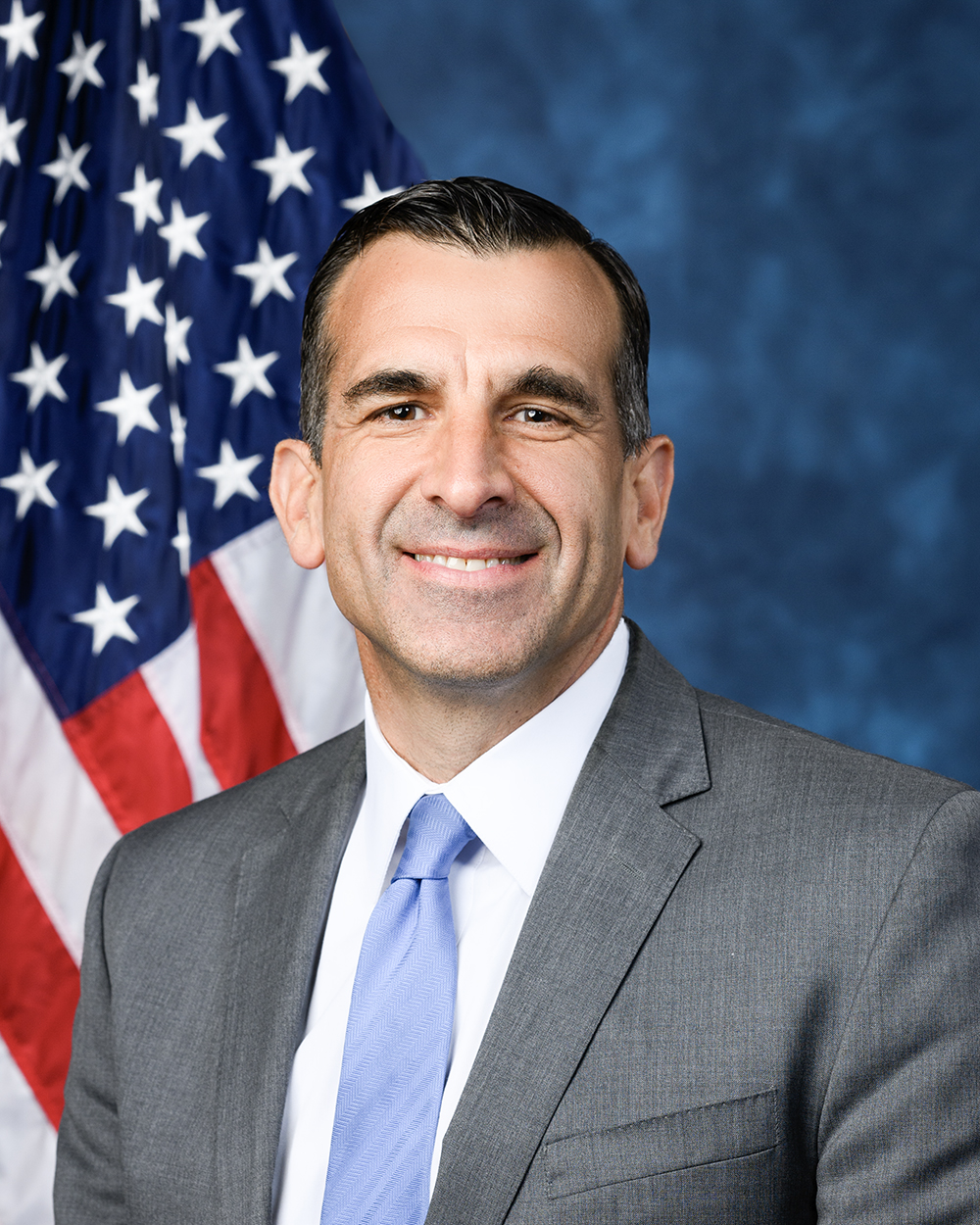
Rep. Sam T. Liccardo
Sponsored bills
Maddy summaryHR 5105, the UNLOCK Act, amends the Housing and Community Development Act of 1974 to expand eligibility for federal housing funds. It allows metropolitan cities, urban counties, states, local governments, insular areas, and tribal entities to use Section 106 funds for constructing new residential housing for low- and moderate-income residents, with or without nonprofit partnerships. The key change adds a new funding category (paragraph 27) to existing housing programs, streamlining access to resources for affordable housing projects. This bill directly affects local governments and tribal entities seeking to build or support affordable housing without requiring mandatory nonprofit involvement.
Maddy summaryHR 5073, the INFORM Act of 2025, requires immigration authorities to notify the immediate family of a detained individual within 24 hours if they are transferred to a different detention facility. This applies directly to immigrants held under U.S. immigration law and their immediate family members, defined as parents, children, spouses, and certain extended family like step-relatives or domestic partners. The law mandates that notifications include the reason for the transfer and full contact details (name, address, phone number, and point of contact) for the new facility. It establishes a specific timeline and content requirement for these notifications to improve transparency during detention transfers. The bill focuses on procedural changes for facility transfers, not on altering detention policies or immigration eligibility.
Maddy summaryThe Telehealth Modernization Act extends key Medicare telehealth flexibilities through 2027, removing geographic restrictions and allowing audio-only visits. It expands who can provide telehealth services (including nurse practitioners and rural health clinics) and requires new guidance for serving patients with limited English proficiency. The bill also extends certain hospice care provisions and includes virtual diabetes prevention program options. These changes directly affect Medicare beneficiaries, healthcare providers, and telehealth technology companies.
Maddy summaryThe SUN Act (HR 4998) requires the President to submit a detailed report to Congress within 15 days whenever National Guard members are deployed domestically for non-disaster purposes under specific laws. The report must include the legal basis for the deployment, evidence of reduced violence, input from local law enforcement, total costs, and a certification that the deployment won’t interfere with disaster response capabilities. It applies to all domestic uses of the National Guard except for responses to natural disasters under the Stafford Act. The bill aims to enhance congressional oversight of military deployments on U.S. soil.
Maddy summaryThis bill adjusts health insurance subsidies by modifying the premium tax credit structure under the Internal Revenue Code. It replaces previous income thresholds with a sliding-scale formula, increasing subsidies for households earning between 150% and 400% of the federal poverty level - reducing their required premium payments as income rises within these tiers. The changes apply to tax years beginning after December 31, 2025, directly affecting middle-income individuals and families purchasing coverage through health insurance marketplaces. It also repeals specific provisions from a prior reconciliation law related to health care.
Maddy summaryHR 4796, the Restoring Essential Healthcare Act, repeals a provision that blocked Medicaid payments to certain healthcare providers during a specific period. It directly affects Medicaid beneficiaries who received care from these providers between the enactment of the prior law (Public Law 119-21) and this bill's enactment. The key provision retroactively restores Medicaid payments for services already provided during that blocked period, treating the payment restriction as if it never existed. This change ensures eligible individuals and providers receive reimbursement for covered care delivered during the prohibited timeframe.
Maddy summaryHR 4810, the BUILD Housing Act, streamlines environmental reviews for HUD-funded housing projects by allowing the Secretary to designate such assistance as "special project" funds under the National Environmental Policy Act (NEPA). This change directly affects HUD housing programs, local governments, and federally recognized tribes by simplifying the review process for projects like affordable housing developments. The bill specifically adds "Indian Tribe" to the list of entities that can assume environmental review responsibilities, aligning with existing tribal housing laws. It does not create new funding or housing but modifies procedural requirements for existing programs.
Fix Our Flooded Basements Act of 2025 This bill expands the disaster assistance provided to individuals and households for repairs to and property in flood-damaged basements. It also expands eligibility and coverage for certain group flood insurance. Under current law, the Individual Assistance (IA) program of the Federal Emergency Management Agency (FEMA) limits home repair assistance for flood-damaged basements to damage affecting the safety, sanitation, or functionality of the home (e.g., structural damage, hazardous conditions). The bill allows home repair assistance for disaster-caused mold, mildew, and moisture damage in basements regardless of whether the damage affects safety, sanitation, or functionality. Additionally, flood-damaged basements are eligible for home repair assistance even when the basement is not required for occupying the dwelling. Also, currently, IA assistance for flood-damaged personal property in basements is limited to washers, dryers, and property essential for occupying the dwelling. The bill expands IA personal property assistance to more broadly cover property damaged by disaster-caused flooding in basements. The scope of such assistance must at least equal the coverage for such damage by a standard policy under the National Flood Insurance Program (e.g., covering air conditioning units and freezers in basements). Additionally, FEMA must expand the eligibility and coverage of the group flood insurance it provides to IA recipients, including increasing the maximum coverage and expanding coverage for basements. The bill also excludes from the maximum for IA housing assistance expenses for (1) hazard mitigation measures in flood-damaged basements, and (2) premiums for group flood insurance policies.
Maddy summaryHR 4667, the VISIBLE Act, requires U.S. Immigration and Customs Enforcement (ICE), U.S. Customs and Border Protection (CBP), and other authorized immigration officers to visibly display their agency name and either their last name or unique badge number during all public immigration enforcement activities (such as stops, arrests, raids, or checkpoints). This identification must be clearly legible from 25 feet away on outer clothing, not obscured by gear, and officers cannot wear face coverings that hide their face during public interactions unless for covert operations or hazardous conditions. The bill mandates DHS to discipline non-compliant officers and submit annual reports to Congress detailing enforcement activities, violations, and disciplinary actions. It also directs DHS’s Civil Rights Office to investigate public complaints about noncompliance.