

Maddy summaryThis bill, titled "Pet and Livestock Protection Act," is misleading; it actually focuses on gray wolf management. It requires the Secretary of the Interior to reissue a 2020 rule removing gray wolves from the endangered species list within 60 days of enactment. The bill also prohibits courts from reviewing this reissuance. This directly affects gray wolf populations and management policies in states where wolves are present, shifting regulatory control away from federal endangered species protections.
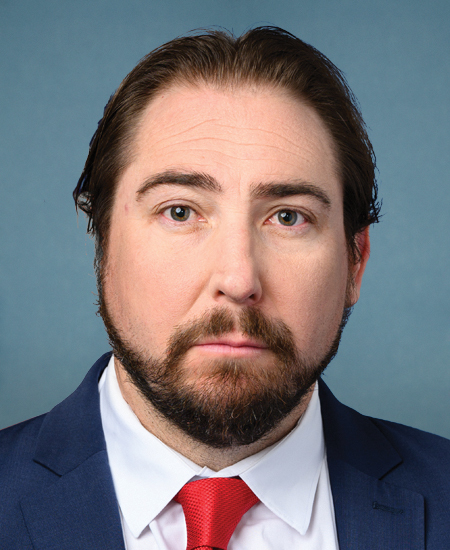
Rep. Elijah Crane
Sponsored bills
Maddy summaryHR 6751 would repeal the 2001 Authorization for Use of Military Force (AUMF), a law passed after the September 11 attacks that has been used to justify military operations for over two decades. The bill states Congress finds the AUMF has been interpreted too broadly, conflicting with the Constitution's requirement that only Congress can declare war. It would formally end this legal authority 240 days after the bill becomes law, directly affecting future military actions authorized under the 2001 AUMF. The key provision is the repeal itself, removing the legal basis for ongoing military operations that rely on this specific 2001 law.
Maddy summaryHR 1623 (the SCREEN Act) requires online platforms that profit from hosting pornographic content to implement age verification technology, preventing minors from accessing such material. Covered platforms must publicly disclose their verification process and securely handle age data collected through these systems. The law applies specifically to platforms where pornographic content is a regular business activity, not all websites. It mandates that only adults can access pornographic content on these platforms, without banning the content itself.
Maddy summaryHRES 932 is a symbolic resolution passed by the House of Representatives that condemns six specific members of Congress (including Senators Kelly and Slotkin and Representatives Crow, Deluzio, Goodlander, and Houlahan) for allegedly making statements that encouraged military and intelligence personnel to disobey orders from the President. The resolution claims these lawmakers falsely suggested the administration issued "illegal orders" and undermined the military chain of command, violating the Uniform Code of Military Justice (UCMJ). It does not create new laws or policies but formally denounces the lawmakers' statements as "dangerous and seditious rhetoric." As a procedural resolution, it has no binding effect on military conduct or policy.
Maddy summaryHRES 928 is a non-binding House resolution affirming support for aligning U.S. prescription drug prices with those in other developed nations, commonly called "most-favored-nation" pricing. It states that U.S. patients should not pay more for the same drugs than citizens in comparable countries, citing data showing U.S. drug prices are 2.78 times higher than in other nations and that 21% of adults skip prescriptions due to cost. The resolution supports policies to reduce drug costs, including aligning U.S. pricing with international benchmarks and expanding Medicare negotiation, but does not create new laws or alter existing programs. It directly addresses all U.S. patients affected by high drug costs, reflecting bipartisan interest in lowering prices as noted in President Trump’s 2025 executive order.
Maddy summaryHR 6466, the Forced Abortion Prevention and Accountability Act, prohibits non-consensual administration of abortion drugs (like mifepristone or misoprostol) to pregnant women without their informed consent. It criminalizes this act with penalties up to 25 years in prison and allows victims to sue for triple damages, psychological/physical injury compensation, and attorney fees. The bill directly affects pregnant women who might face coerced procedures and medical providers or others who administer such drugs without consent. Key provisions include criminal penalties for the act itself, enhanced penalties for serious injury or death, and a civil remedy framework for victims seeking compensation.
Maddy summaryHR 6374 would prohibit all foreign nationals from entering the United States for a 10-year period, beginning on the day the bill becomes law. This ban applies to every individual seeking admission, including immigrants, tourists, students, and temporary workers, with no exceptions specified in the text. The prohibition would remain in effect for exactly 10 years from the enactment date, halting all new admissions during that timeframe. The bill does not address current residents, existing visa holders, or other immigration categories outside of new admissions.
Maddy summaryThis bill prohibits federal funds from being used to cover any abortion-related expenses for individuals classified as "illegal aliens" under immigration law. It specifically blocks taxpayer money from paying for travel, lodging, meals, childcare, translation, doula care, or patient education services connected to abortion access. The law directly affects non-citizens who are inadmissible or deportable under specific immigration statutes (as defined in the Immigration and Nationality Act). It applies to all federal programs and funds, restricting assistance for abortion services beyond the procedure itself.
Maddy summaryThis bill would pause most visa issuances and immigration status approvals until specific conditions are met under immigration law. It prohibits access to public schools for unauthorized immigrants, restricts citizenship eligibility to children born in the U.S. with at least one U.S. citizen or permanent resident parent, and bars certain benefits like Medicare, food assistance, and student loans for most non-citizens. The bill also imposes a $100,000 fee on H-1B work visa applications starting in 2026, terminates the Optional Practical Training program for international students, and repeals the Diversity Visa lottery program. These provisions directly affect immigrants seeking visas, students, and applicants for specific immigration pathways.
Maddy summaryHR 6019 repeals a requirement that Senate offices must be notified when legal requests seek Senate data. Specifically, it removes Section 213 of the 2026 appropriations act, which mandated that Senate offices be informed about legal processes requesting disclosure of Senate data. This change directly affects Senate offices by eliminating a procedural notification step for legal requests involving their data. The bill makes no other policy changes, solely removing this specific administrative requirement.