Issue · Technology

Technology

Every technology bill, vote, and legislator stance in Florida, automatically classified by Maddy, our AI policy reader.

Total bills
306
119th Congress
Top supporter
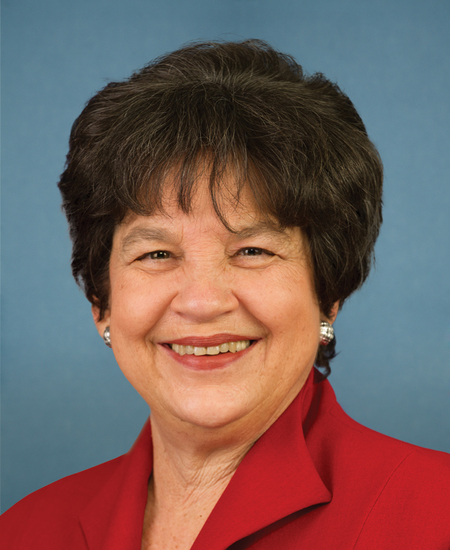
Lois Frankel
85% support rate
Top opponent
Brian J. Mast
24% support rate
Ranked legislators
10
5 support · 5 oppose
Key legislators

Who's moving technology in Florida

Legislators moving technology in Florida
Legislator Party Stance Support rate Votes
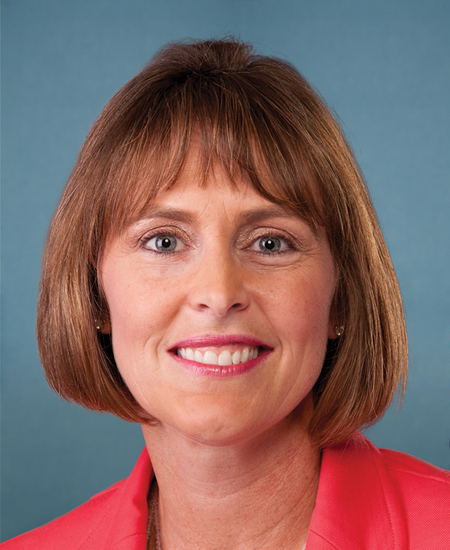
Lois Frankel
Lois Frankel House · District 22
D
Strong +
85% 249
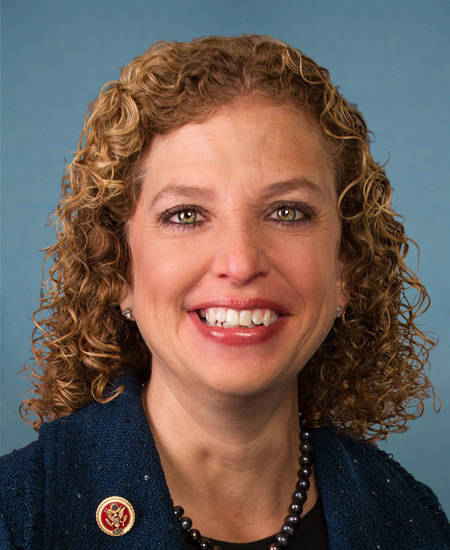
Debbie Wasserman Schultz
Debbie Wasserman Schultz House · District 25
D
Strong +
82% 258
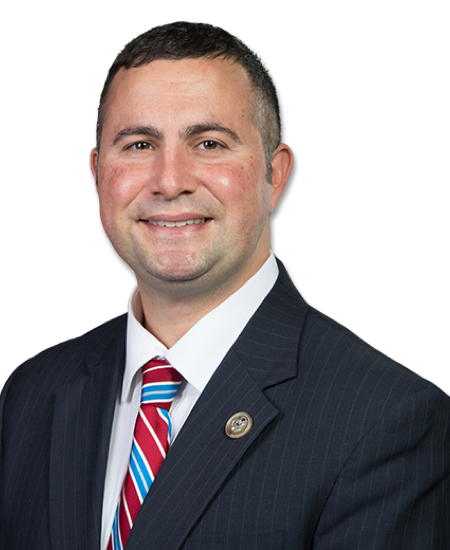
Darren Soto
Darren Soto House · District 9
D
Strong +
82% 263
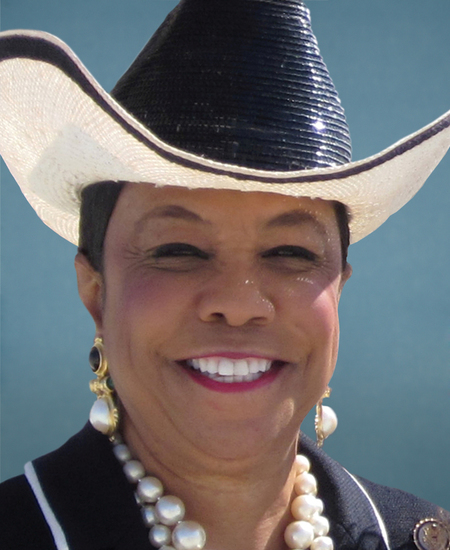
Frederica S. Wilson
Frederica S. Wilson House · District 24
D
Support
78% 198
Kathy Castor
Kathy Castor House · District 14
D
Support
77% 255
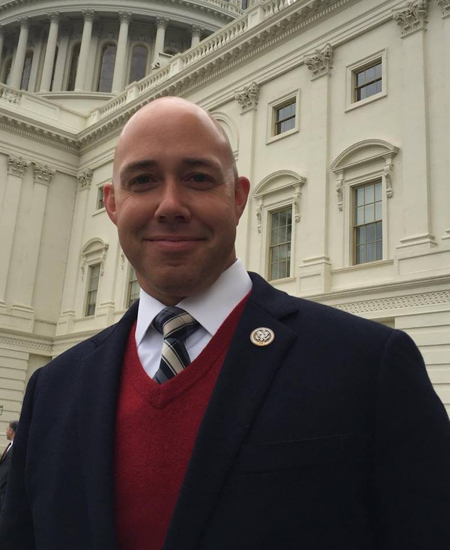
Brian J. Mast
Brian J. Mast House · District 21
R
Oppose
24% 256
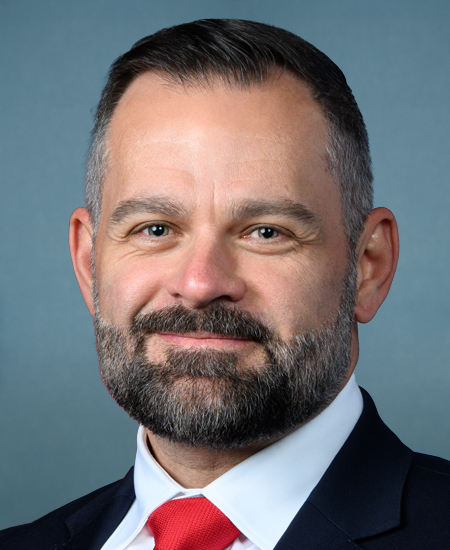
Cory Mills
Cory Mills House · District 7
R
Oppose
25% 252
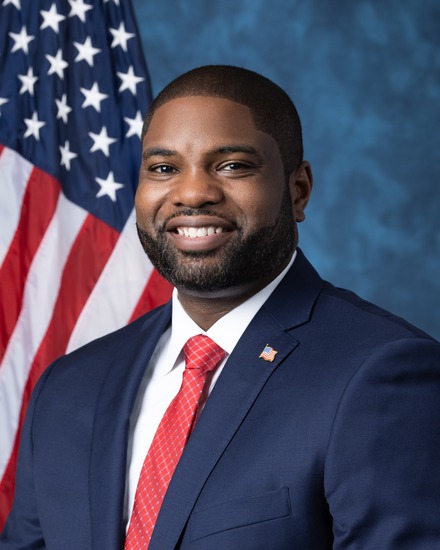
Byron Donalds
Byron Donalds House · District 19
R
Oppose
29% 242
Neal P. Dunn
Neal P. Dunn House · District 2
R
Oppose
29% 231
Rick Scott
Rick Scott Senate
R
Oppose
31% 231
Showing 1–10 of 306 bills

All technology bills

in committee · United States · House Sep 10, 2026

HR 10332: Sunset Section 230 Act

HR 10332, the Sunset Section 230 Act, would repeal Section 230 of the Communications Act of 1934, a provision that currently shields online platforms from legal liability for content posted by their users. By removing this protection, the bill directly affects internet service providers, social media companies, and other interactive computer services, making them potentially responsible for user-generated material under existing defamation and copyright laws. The legislation also includes numerous conforming amendments to update definitions and cross-references in various federal statutes, including the Trademark Act and criminal codes, to ensure consistency with the repeal. These changes would take effect two years after the date of enactment.
Sub-Topics Social Media
in committee · United States · House Aug 17, 2026

HR 10110: Housing Price Transparency Act

The Housing Price Transparency Act requires landlords and property managers who use algorithms to set rental prices to clearly disclose this practice to tenants. The Federal Trade Commission is authorized to enforce these rules by treating violations as unfair or deceptive acts, while state attorneys general may also bring civil actions on behalf of their residents if federal enforcement is not pending. Individuals injured by non-compliance can file private lawsuits in federal court to seek injunctions and recover damages of at least $10,000 per violation or actual monetary losses, whichever is greater.
Sub-Topics Landlords Renters Tenant Rights Tags Government Transparency
in committee · United States · House Aug 27, 2026

HR 10166: Foreign Propaganda Disclosure Act

The Foreign Propaganda Disclosure Act amends the Foreign Agents Registration Act to explicitly include social media influencers in its regulatory scope. The bill defines a social media influencer as any individual who maintains a monetized account on a social media platform, using an existing definition from the Trafficking Victims Prevention and Protection Reauthorization Act of 2022. By making this addition, the legislation requires these specific digital content creators to comply with the same registration and disclosure obligations currently applied to other foreign agents.
Sub-Topics Social Media
in committee · United States · House Sep 1, 2026

HR 10170: Memory Chip Competitiveness Assessment Act of 2026

The Memory Chip Competitiveness Assessment Act of 2026 directs the Secretary of Commerce to conduct a comprehensive study on the market for advanced memory technology, including demand, supply constraints, and impacts on consumer costs. The study must examine capital investment cycles, supply chain dependencies on non-U.S. suppliers, and legal or regulatory barriers that limit domestic supply. The Secretary is required to consult with federal agencies and industry stakeholders, such as manufacturers and major customers, before publishing the findings. A final report must be submitted to congressional committees and made public within 270 days of enactment, following a period for public comment.
in committee · United States · Senate Aug 4, 2026

S 5229: SWIPES Act

The SWIPES Act strengthens federal laws against financial fraud by explicitly including gift cards and digital credentials in the definition of "access devices" under existing statutes. It significantly increases prison sentences for individuals who traffic large quantities of counterfeit or unauthorized access devices, with penalties reaching up to 30 years for offenses involving more than 1,000 items. Additionally, the bill introduces a new federal offense that mandates an extra two-year consecutive prison sentence for anyone who commits fraud against victims over the age of 60.
Sub-Topics Corrections
in committee · United States · House Jul 23, 2026

HR 9925: FRONTIER Act

The FRONTIER Act establishes a regulatory framework for the largest artificial intelligence developers to manage and disclose risks associated with their most powerful models, known as "frontier models." It requires companies meeting specific revenue and spending thresholds to create public safety frameworks, undergo independent third-party audits, and report incidents or potential harms to the Department of Commerce. The bill also creates a system where the Secretary of Commerce can issue emergency orders to suspend or restrict model development if an imminent catastrophic risk is identified. Additionally, the legislation preempts state laws that impose new obligations on AI developers regarding risk transparency, auditing, and incident reporting to ensure a uniform national approach.
in committee · United States · House Jul 22, 2026

HR 9858: STRATA Act of 2026

The STRATA Act of 2026 establishes a new program within the Department of State to foster international partnerships focused on advancing critical minerals technologies, aiming to strengthen U.S. supply chains and national security. This initiative allows the Secretary of State to form alliances with allied and partner nations, universities, and private companies while explicitly prohibiting collaborations with designated countries of concern such as China and Russia. Key provisions include the creation of International Centers of Excellence for research and training, the development of a digital platform to connect stakeholders with funding opportunities, and the establishment of clear guidelines for intellectual property and data security within these partnerships. The program authorizes the use of specific funding sources to support joint projects in extraction, recycling, and manufacturing, with a requirement that all activities conclude within ten years of the bill's enactment.
in committee · United States · House Aug 3, 2026

HR 10017: Permanent CBDC Ban Act

This bill, titled the Permanent CBDC Ban Act, aims to permanently prohibit the Federal Reserve from issuing a central bank digital currency. It achieves this by amending the Federal Reserve Act to remove the specific legal authority that allows the Reserve to create such a digital currency. The legislation directly affects the Federal Reserve by stripping away its power to launch a digital version of the dollar. By deleting the relevant subsection of the law, the bill ensures that the Reserve cannot issue a CBDC in the future.
in committee · United States · House Jul 23, 2026

HR 9915: Stealth Bot Prohibition Act

The Stealth Bot Prohibition Act makes it illegal to use automated software, known as stealth bots, to access websites without revealing their identity or purpose. Specifically, the law bans deploying these bots in ways that harm online services and prohibits disguising them as human users when interacting with generative artificial intelligence systems. Violations can result in civil penalties of up to $53,000 per incident, which are enforced by the Federal Trade Commission and state attorneys general. The bill defines a stealth bot as any program that scrapes or scans the internet without disclosing its nature or intended use to the website operator.
in committee · United States · House Jul 23, 2026

HR 9939: No AI Data Centers on Federal Lands Act

This bill, titled the No AI Data Centers on Federal Lands Act, prohibits the construction and operation of large-scale artificial intelligence data centers on any land owned or managed by the United States government. It requires federal agencies to immediately stop building or running such facilities and mandates the removal of existing structures within 30 days of the law's enactment. The legislation defines these centers as buildings with high power usage or advanced cooling systems used for developing AI models, while also specifying that any cleanup must follow environmental safety standards.
Showing 1 to 10 of 306 bills
1 2 3 31 Next