Issue · Labor & Employment

Labor & Employment

Every labor & employment bill, vote, and legislator stance in Florida, automatically classified by Maddy, our AI policy reader.

Total bills
334
119th Congress
Top supporter
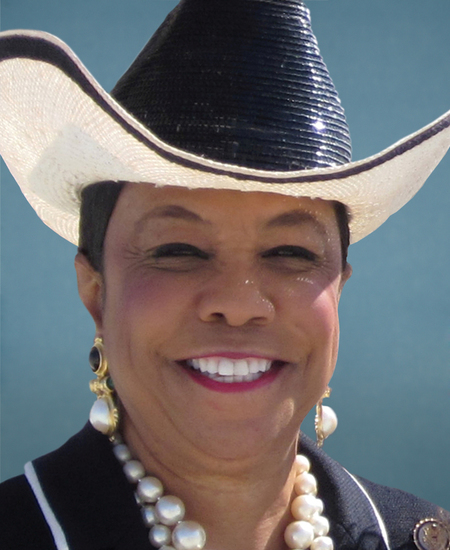
Frederica S. Wilson
75% support rate
Top opponent
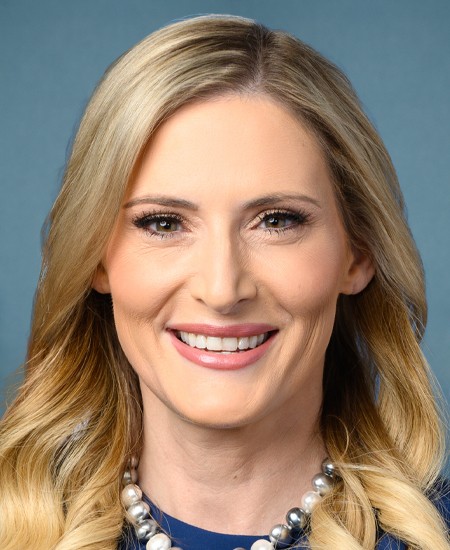
Laurel M. Lee
33% support rate
Ranked legislators
10
5 support · 5 oppose
Key legislators

Who's moving labor & employment in Florida

Legislators moving labor & employment in Florida
Legislator Party Stance Support rate Votes
Frederica S. Wilson
Frederica S. Wilson House · District 24
D
Support
75% 137
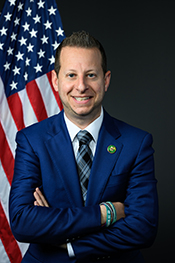
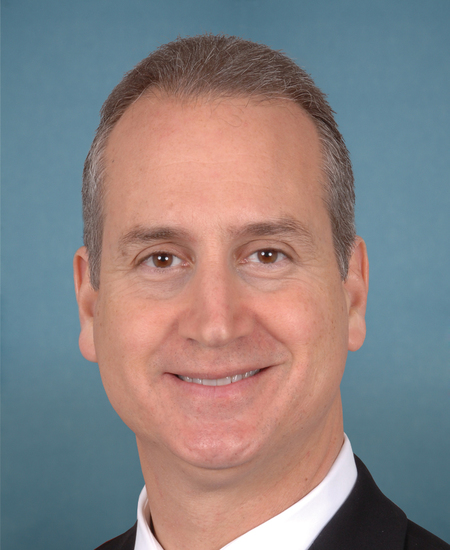
Jared Moskowitz
Jared Moskowitz House · District 23
D
Support
69% 193
Rick Scott
Rick Scott Senate
R
Support
62% 213
Ashley Moody
Ashley Moody Senate
R
Support
62% 211
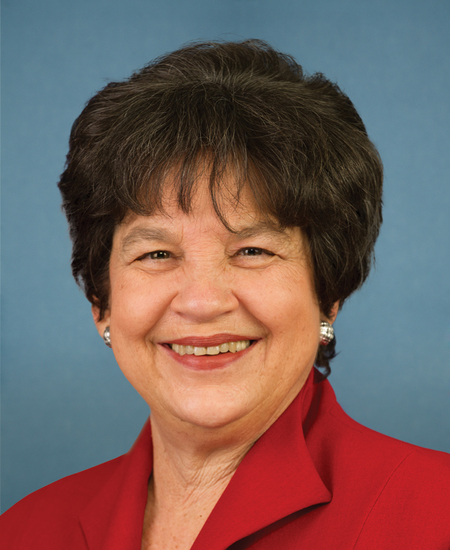
Lois Frankel
Lois Frankel House · District 22
D
Support
62% 192
Laurel M. Lee
Laurel M. Lee House · District 15
R
Oppose
33% 185
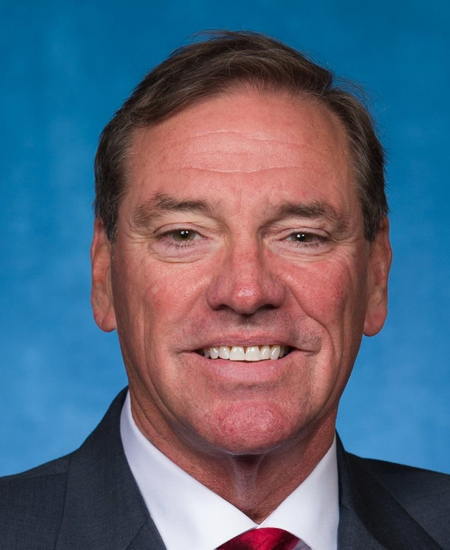
Neal P. Dunn
Neal P. Dunn House · District 2
R
Oppose
33% 171
Mario Diaz-Balart
Mario Diaz-Balart House · District 26
R
Oppose
36% 189
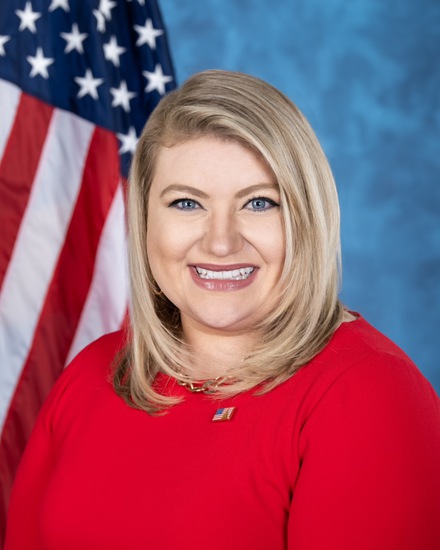
Kat Cammack
Kat Cammack House · District 3
R
Oppose
38% 197
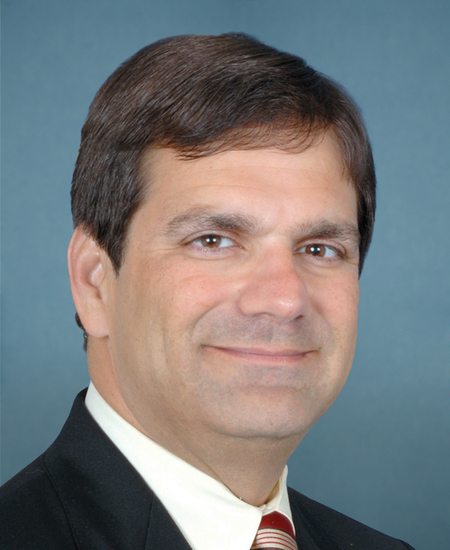
Gus M. Bilirakis
Gus M. Bilirakis House · District 12
R
Oppose
38% 196
Showing 1–10 of 334 bills

All labor & employment bills

in committee · United States · House Sep 2, 2026

HR 10239: Equal Pay for Equal Work Act

The Equal Pay for Equal Work Act establishes a new National Equal Pay Enforcement Task Force composed of representatives from the Equal Employment Opportunity Commission, the Department of Justice, the Department of Labor, and the Office of Personnel Management. The task force is charged with coordinating these agencies to close gaps in enforcement and improve public education regarding equal pay laws. Its specific duties include investigating challenges related to pay inequity, advancing recommendations to address those issues, and creating action plans to implement the proposed solutions.
in committee · United States · House Sep 3, 2026

HR 10250: No Preference Act

HR 10250, known as the No Preference Act, prohibits federal executive agencies and the Department of Defense from requiring or giving preference to contractors based on their use of union labor. The bill amends existing laws to ensure that government contract awards cannot be influenced by whether a company's workers are covered by collective bargaining agreements. This change directly affects federal procurement processes by mandating that offers be evaluated without regard to the labor status of the bidding firms.
in committee · United States · House Sep 3, 2026

HR 10297: El Salvador TPS Act of 2026

The El Salvador TPS Act of 2026 requires the Secretary of Homeland Security to grant Temporary Protected Status (TPS) to individuals from El Salvador. This designation would remain in effect until a date 18 months after September 9, 2026. The bill directly affects eligible residents of El Salvador by providing them with legal protection and work authorization during this specified period.
Sub-Topics Work Authorization
in committee · United States · House Sep 3, 2026

HR 10282: Stronger Start for Working Families Act

The Stronger Start for Working Families Act amends the Internal Revenue Code to make the child tax credit fully refundable for all eligible taxpayers. By lowering the earned income threshold from $3,000 to $1, the bill removes the requirement that families must have a minimum level of earnings to receive the full credit amount. This change directly affects working families with children who previously had their refundable credit capped based on their income. The provision is scheduled to take effect for tax years beginning after December 31, 2025.
Sub-Topics Income Tax Tax Credits Tags Children
in committee · United States · House Aug 31, 2026

HR 10200: Family Leave for Parental Involvement in Education Act

The Family Leave for Parental Involvement in Education Act amends the Family and Medical Leave Act to grant eligible private-sector employees up to 48 hours of unpaid leave per year to attend school conferences or activities for their children or grandchildren. This additional time is capped at 8 hours within any 30-day period and can be taken in intermittent blocks rather than all at once. Employers may require employees to use accrued paid vacation, personal, or sick leave instead of taking this unpaid time off. The bill also extends similar leave provisions to federal employees, allowing them to substitute accumulated annual or sick leave for the new parental involvement entitlements.
Sub-Topics Paid Leave
in committee · United States · House Sep 3, 2026

HR 10273: Fairness for Farm Workers Act

The Fairness for Farm Workers Act amends the Fair Labor Standards Act to end the long-standing exemption that allows agricultural workers to be denied overtime pay. The bill introduces a phased schedule requiring employers to pay farm workers time-and-a-half for hours worked beyond a set threshold, which gradually decreases from 55 hours in 2027 to the standard 40 hours by 2030. Small farms with 25 or fewer employees are given a three-year delay, reaching full compliance by 2033. Additionally, the legislation removes several other exemptions that currently allow agricultural employers to bypass federal wage and hour protections.
Sub-Topics Child Labor Labor Standards Minimum Wage Tags Agriculture
in committee · United States · House Aug 6, 2026

HR 10063: Green New Deal for Public Housing Act

The Green New Deal for Public Housing Act directs the Department of Housing and Urban Development to provide grants to public housing agencies and tribal entities for the comprehensive rehabilitation, energy upgrades, and modernization of public housing stock. These funds are intended to transform properties into zero-carbon homes by installing renewable energy systems, electrifying appliances, and repairing infrastructure, while also establishing workforce development programs that offer training, apprenticeships, and stipends to residents and local low-income workers. The bill mandates strict labor standards, including prevailing wages and the use of U.S.-made materials, and requires agencies to maintain or increase the total number of public housing units while prioritizing resident participation through elected councils and community engagement processes.
in committee · United States · House Jul 14, 2026

HR 9671: Menopausal Workers’ Fairness Act of 2026

The Menopausal Workers' Fairness Act of 2026 expands federal employment protections to explicitly cover workers experiencing menopause and related symptoms, requiring employers with 15 or more employees to provide reasonable accommodations unless doing so causes significant business hardship. Under this bill, it would be illegal for employers to discriminate against or retaliate against qualified employees who request accommodations for issues such as hot flashes, fatigue, or mood changes, while also mandating that medical information regarding these conditions remains confidential. The legislation includes a specific list of low-cost adjustments, such as allowing extra restroom breaks or flexible sitting and standing, that employers must grant without requiring extensive documentation. Enforcement and legal remedies for violations will follow the same procedures currently used for age and disability discrimination claims, and the Equal Employment Opportunity Commission is tasked with issuing detailed regulations within a year of the law's passage.
in committee · United States · House Jul 13, 2026

HRES 1427: Expressing support for the designation of July 10th as Journeyman Lineworkers Recognition Day.

This resolution expresses support for designating July 10th as Journeyman Lineworkers Recognition Day to honor the workers who maintain the nation's electrical grid. The bill specifically recognizes the dangerous conditions these employees face, such as working at heights near live power lines and responding to disasters like hurricanes and wildfires. It also commemorates Henry Miller, the first president of the International Brotherhood of Electrical Workers, who died on July 10, 1896, while performing his duties. Ultimately, the measure encourages the public to observe this day with reflection on the contributions of lineworkers.
Sub-Topics Apprenticeships
in committee · United States · House Jul 23, 2026

HR 9907: LEARN AI Act

The LEARN AI Act expresses Congress's preference for integrating artificial intelligence training into registered apprenticeship programs to better prepare workers for the technology. It directs the Department of Labor to encourage AI instruction, share best practices for responsible AI use, and offer technical help to employers and training sponsors. The bill allows the Department of Labor to support these efforts but does not force any specific program to include AI training or change existing rules. Ultimately, the legislation aims to assist in adapting the workforce to technological changes without mandating specific curriculum updates.
Showing 1 to 10 of 334 bills
1 2 3 34 Next