

Protecting Our Wealth of Energy Resources Act of 2021 or the POWER Act of 2021 This bill requires the President and federal agencies to obtain the approval of Congress before prohibiting or substantially delaying certain new energy or mineral leases or permits on federal lands, including oil and gas leases, coal leases, hard rock leases, or critical minerals leases. In addition, the President and agencies must obtain the approval of Congress before withdrawing certain federal lands from mineral and geothermal leasing activities.
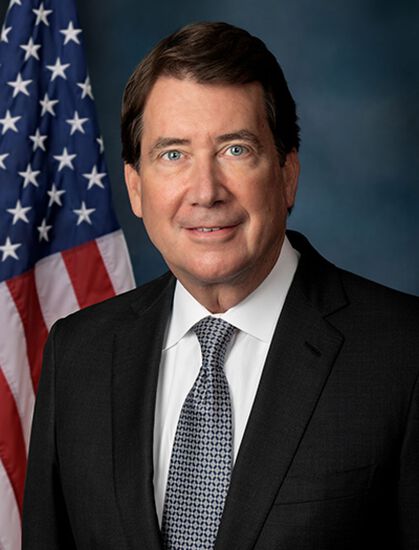
Sen. Bill Hagerty
Sponsored bills
Life at Conception Act of 2021 This bill declares that the right to life guaranteed by the Constitution is vested in each human being at all stages of life, including the moment of fertilization, cloning, or other moment at which an individual comes into being. Nothing in this bill shall be construed to require the prosecution of any woman for the death of her unborn child, a prohibition on in vitro fertilization, or a prohibition on use of birth control or another means of preventing fertilization.
Title X Abortion Provider Prohibition Act This bill prohibits the Department of Health and Human Services (HHS) from awarding family planning grants to entities that perform abortions or provide funding to other entities that perform abortions. To receive a grant, an entity must certify it will refrain from those activities during the grant period. The bill provides exceptions for abortions (1) in cases of rape or incest; or (2) when the life of the woman is in danger due to a physical disorder, injury, or illness. It also exempts hospitals unless they provide funds to non-hospital entities that provide abortions. HHS must report annually on this prohibition.
Born-Alive Abortion Survivors Protection Act This bill establishes requirements for the degree of care a health care practitioner must provide in the case of a child born alive following an abortion or attempted abortion. Specifically, a health care practitioner who is present must (1) exercise the same degree of care as would reasonably be provided to any other child born alive at the same gestational age, and (2) ensure the child is immediately admitted to a hospital. Additionally, a health care practitioner or other employee who has knowledge of a failure to comply with the degree-of-care requirements must immediately report such failure to law enforcement. A health care practitioner who fails to provide the required degree of care, or a health care practitioner or other employee who fails to report such failure, is subject to criminal penalties—a fine, up to five years in prison, or both. An individual who intentionally kills or attempts to kill a child born alive is subject to prosecution for murder. The bill bars the criminal prosecution of a mother of a child born alive under this bill and allows her to bring a civil action against a health care practitioner or other employee for violations.
No Taxpayer Funding for Abortion and Abortion Insurance Full Disclosure Act of 2021 This bill modifies provisions relating to federal funding for, and health insurance coverage of, abortions. Specifically, the bill prohibits the use of federal funds for abortions or for health coverage that includes abortions. Such restrictions extend to the use of funds in the budget of the District of Columbia. Additionally, abortions may not be provided in a federal health care facility or by a federal employee. Historically, language has been included in annual appropriations bills for the Department of Health and Human Services (HHS) that prohibits the use of federal funds for abortions—such language is commonly referred to as the Hyde Amendment. Similar language is also frequently included in appropriations bills for other federal agencies and the District of Columbia. The bill makes these restrictions permanent and extends the restrictions to all federal funds (rather than specific agencies). The bill's restrictions regarding the use of federal funds do not apply in cases of rape, incest, or where a physical disorder, injury, or illness endangers a woman's life unless an abortion is performed. The Hyde Amendment provides the same exceptions. The bill also prohibits qualified health plans from including coverage for abortions. Currently, qualified health plans may cover abortion, but the portion of the premium attributable to abortion coverage is not eligible for subsidies.
Protecting Life in Health Savings Accounts Act This bill prohibits payment of expenses from specified tax-exempt savings accounts, including health savings accounts and health flexible spending arrangements and reimbursement arrangements, for abortions, except for abortions to end a pregnancy due to rape or incest or to protect the life or health of the mother.
Sarah's Law This bill requires U.S. Immigration and Customs Enforcement (ICE) to detain an alien who is unlawfully present in the United States and has been charged with a crime that resulted in the death or serious bodily injury of another person. ICE shall make reasonable efforts to obtain information about the identity of any victims of the crimes for which such alien was charged or convicted. ICE shall provide the victim, or a relative or guardian of a deceased victim, with information about such alien, including name, date of birth, nationality, immigration status, criminal history, and a description of any related removal efforts.
Protecting Individuals with Down Syndrome Act This bill creates new federal crimes related to the performance of an abortion on an unborn child who has Down syndrome. It subjects a violator to criminal penalties—a fine, a prison term of up to five years, or both. It also authorizes civil remedies, including damages and injunctive relief. A woman who undergoes such an abortion may not be prosecuted or held civilly liable.
Abortion Is Not Health Care Act of 2021 This bill prohibits a tax deduction for medical expenses relating to an abortion, with specified exceptions for rape or incest, or to protect the life or health of the mother.
Academic Partnerships Lead Us to Success Act or the A PLUS Act This bill creates a framework under which states may receive federal elementary and secondary education funds on a consolidated basis and use such funds for any educational purpose permitted by state law.