This resolution recognizes Black History Month as an opportunity to reflect on U.S. history and to commemorate the contributions of African Americans. It calls for the United States to (1) honor the contribution of pioneers who helped to ensure its legacy; and (2) move forward as a nation "indivisible, with liberty and justice for all."
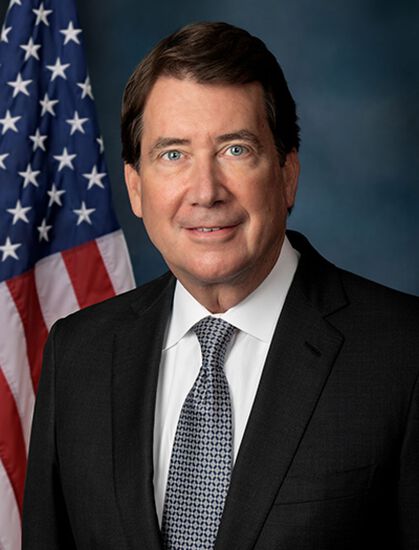
Sen. Bill Hagerty
Sponsored bills
Conscience Protection Act of 2021 This bill provides statutory authority for certain protections for health care providers that refuse to participate in abortions based on religious beliefs or other convictions. Health care providers include individual professionals, medical facilities, health insurance organizations, and social services providers that refer clients to health care services. The federal government and entities that receive federal funding for health-related activities, including state and local governments, may not discriminate against a health care provider that refuses to be involved in, or provide coverage for, abortions. Currently, similar requirements apply to various related activities, including certain employment or personnel decisions (the Church Amendments), abortion services training (the Coats-Snowe Amendment), qualified health plans offered through health insurance exchanges, and annual appropriations bills for the Department of Health and Human Services (HHS) and other federal agencies (the Weldon Amendment). The HHS Office for Civil Rights must investigate complaints of this kind of discrimination. Furthermore, HHS may terminate or reduce HHS funding for health-related activities if a person or entity fails to comply with nondiscrimination requirements. Additionally, the Department of Justice or any entity adversely affected by such discrimination may bring a civil action to obtain appropriate relief. A plaintiff does not need to seek or exhaust administrative remedies before bringing the action. A plaintiff may also bring an action, including one for money damages, against a governmental entity. In many cases, principles of sovereign immunity shield states and some localities from these kinds of actions.

This resolution honors the life, achievements, and legacy of former Secretary of State George Pratt Shultz and extends the Senate's condolences and sympathy to his family. The resolution also acknowledges Shultz's published concern for rebuilding and strengthening American diplomacy and the Department of State by creating a school of diplomacy at the National Foreign Affairs Training Center.
This resolution recognizes Black History Month as an opportunity to reflect on U.S. history and to commemorate the contributions of African Americans. It calls for the United States to (1) honor the contribution of pioneers who helped to ensure its legacy; and (2) move forward as a nation "indivisible, with liberty and justice for all."
Dignity for Aborted Children Act This bill sets out requirements for the disposition of human fetal tissue from an abortion. Specifically, it requires abortion providers to obtain a patient's informed consent for one of two specified methods of disposition. First, patients may choose to retain possession of the tissue. A patient may choose to transfer the tissue to an entity that provides interment or cremation services. Second, the patient may elect to release the tissue to the provider. Providers must ensure any tissue released to them is interred or cremated within seven days of the procedure in a manner consistent with state law regarding the disposal of human remains. Abortion providers must report annually about these requirements and other specified information. The bill provides civil or criminal penalties for violations of disposal, informed consent, and reporting requirements.
Parental Notification and Intervention Act This bill restricts the performance of an abortion on an unemancipated minor under 18 years of age. Specifically, it prohibits a person or organization from performing, facilitating, or assisting with an abortion on an unemancipated minor without first complying with certain requirements, including parental notification and a 96-hour waiting period. It establishes penalties—a fine, up to one year in prison, or both—for each willful violation. A parent who is required to be notified of an abortion of an unemancipated minor may sue in federal court to prohibit the abortion. Parental notification requirements may be waived in a medical emergency or in a case of physical abuse.
Protection of Women and Girls in Sports Act of 2021 This bill makes it a violation of federal law for a recipient of federal funds who operates, sponsors, or facilitates athletic programs or activities to permit a person whose sex is male to participate in an athletic program or activity that is designated for women or girls. The bill specifies that sex shall be recognized based solely on a person's reproductive biology and genetics at birth.
This joint resolution proposes a constitutional amendment prohibiting total outlays for a fiscal year from exceeding total receipts for that fiscal year unless Congress authorizes the excess by a two-thirds vote of each chamber. The prohibition excludes outlays for repayment of debt principal and receipts derived from borrowing. The amendment prohibits total outlays for any fiscal year from exceeding 18% of the gross domestic product of the United States, unless two-thirds of each chamber of Congress provides for a specific increase above this amount. The amendment requires a two-thirds vote of each chamber of Congress to impose a new tax, increase the statutory rate of any tax, or increase the aggregate amount of revenue. It requires a three-fifths vote of each chamber to increase the limit on the debt of the United States. The President must submit an annual budget in which total outlays do not exceed total receipts and 18% of the gross domestic product of the United States. The amendment prohibits a court from ordering a revenue increase to enforce the requirements. Congress may waive specified requirements when a declaration of war is in effect or the United States is engaged in a military conflict that causes an imminent and serious military threat to national security.
Put Students First Act of 2021 This bill prohibits the Department of Education (ED) from providing certain FY2021 education funds or COVID-19 (i.e., coronavirus disease 2019) relief funds to an elementary or secondary school that does not offer in-person instruction by April 30, 2021. A school must forfeit or return these funds if it does not offer in-person instruction by that date. Additionally, the bill outlines the use of forfeited and returned funds. A state may regain eligibility for these funds if it submits an implementation plan to ED that provides students with school choice options. If a state does not submit an implementation plan, then the funds must be provided as grants to states with the highest percentage of schools offering in-person instruction.
This resolution honors the life and legacy of Henry Louis Aaron for his accomplishments on and off the baseball field and for defying racism and breaking down racial barriers in the fight for equality.