

Maddy summaryThis Senate resolution expresses support for library staff across public, school, academic, and special libraries in the United States. It highlights the essential services libraries provide, such as equitable internet access, social support, and community resources, while calling for adequate funding at all government levels. The measure reaffirms the right of citizens to freely access information and explicitly supports the ability of library workers to unionize and collectively bargain. Additionally, it defends the civil rights of library staff against intimidation and censorship, noting recent challenges like book bans and the potential elimination of the Institute of Museum and Library Services.
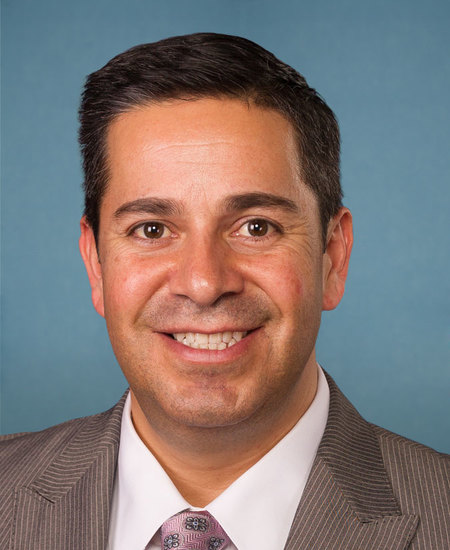
Sen. Ben Ray Luján
Sponsored bills
Maddy summaryThe No Passes for Polluters Act of 2026 requires Congress to explicitly approve any federal exemptions from Clean Air Act requirements before they take effect. Under this bill, the President and federal agencies must submit a detailed message to both houses of Congress whenever they propose to exempt a pollution source from regulations, outlining the reasons and potential impacts. Once received, these proposals must be reviewed by congressional committees and enacted through a joint resolution that requires a two-thirds vote in both the Senate and the House of Representatives. The legislation also mandates regular reports to Congress and allows citizens to sue if the government uses an exemption without the necessary congressional approval.
Maddy summaryThe PRICE Act requires third-party food delivery apps to show customers the exact delivery fee before they finalize an order, preventing these fees from changing during the checkout process. Under this law, delivery fees must be calculated based only on the cost of the food and distance, excluding factors like a customer's past buying habits or willingness to pay. The bill also mandates that apps clearly display the total price, including taxes and fees, throughout the ordering process and explain what each fee covers before payment is requested. Enforcement of these rules falls to the Federal Trade Commission and state attorneys general, who can take legal action against platforms that violate the new pricing transparency requirements.
Maddy summaryThis Senate resolution formally acknowledges April as Community College Month to honor the role of over 1,000 institutions in providing affordable higher education and workforce training. The bill does not change any laws or allocate funding; instead, it serves as a symbolic statement recognizing how these colleges support economic prosperity and serve diverse student populations. By highlighting statistics on enrollment, tuition costs, and economic impact, the resolution aims to raise public awareness about the value of community colleges without imposing new requirements.
Maddy summaryThis bill, known as the Absentee and Mail Voter Protection Act, aims to overturn a specific executive order by repealing it and prohibiting the use of federal funds to implement similar directives in the future. It directly affects the United States Postal Service, various federal agencies, and state election officials by restricting their ability to regulate mail-in ballots or create national citizenship lists for voting purposes. Key provisions ban federal agencies from sharing voter registration data, compel the Postal Service to continue delivering state-issued mail ballots without interference, and forbid the use of taxpayer money to enforce rules that would require states to adopt specific citizenship verification methods. The legislation seeks to preserve the current system where states manage their own election administration while the Postal Service delivers ballots, citing historical precedents and the high volume of mail-in voting used by Americans.
Maddy summaryThe Drug Deal Disclosure Act requires the Department of Health and Human Services to publicly release specific records regarding agreements between the federal government and major drug manufacturers starting in 2025. This law mandates the disclosure of contracts that include provisions such as reduced drug prices based on international rates, direct-to-consumer sales discounts, duty exemptions, and special treatment for Medicare programs. While the bill allows for the redaction of confidential pricing details, it prohibits withholding information based on political sensitivity or reputational harm and requires a detailed justification for any redactions. Additionally, the act mandates reports to Congress and independent analysis from the Congressional Budget Office and the Government Accountability Office to evaluate the economic and budgetary impacts of these agreements.
Maddy summaryThe Fair and Transparent Gas Prices Act of 2026 directs the Federal Trade Commission to conduct a study on how oil and gas companies influence market prices and fuel availability. This investigation will examine whether corporate actions, such as stock buybacks or reduced production investments, lead to higher consumer costs or limit access to alternative fuels. The commission is authorized to hire up to 50 new staff members and receive $15 million over two years to carry out this research. Once completed, the findings will be reported to Congress along with recommendations for potential laws or administrative actions to ensure fair and competitive markets.
Maddy summaryThe VOICE Act creates a new civil remedy allowing individuals to sue the United States government if a federal law enforcement officer or someone acting under their direction violates their constitutional rights during immigration-related enforcement actions. This law specifically applies to people within U.S. jurisdiction who claim their rights were deprived while being acted upon by federal officers, regardless of whether the officer was following official policy. If the government is found liable, the specific federal agency that employed the officer must pay monetary damages, and the claimant is guaranteed at least $2 million in punitive damages. Additionally, the bill ensures that these lawsuits cannot be dismissed based on the government's sovereign immunity, while still allowing victims to pursue other legal remedies against individual officers.
Maddy summaryThe Ending the Carried Interest Loophole Act changes how the IRS treats partnership interests given to employees for their work, specifically targeting financial managers and investment professionals. Under the new rules, these individuals must pay ordinary income tax on the value of their partnership shares at the time they receive them, rather than waiting until they sell the shares to pay lower capital gains taxes. The law also establishes a 10-year window during which any future profits earned from these shares are taxed as ordinary income instead of capital gains. Additionally, the bill repeals an existing tax provision that previously allowed certain carried interest payments to be classified as capital gains.
Maddy summaryThe FBI Hiring Review Act mandates a comprehensive review of hiring practices and training standards for the Federal Bureau of Investigation. It requires the Deputy Assistant Attorney General to audit hiring records for employees hired after a specific date and to cross-reference new hires against state-level misconduct files to ensure background checks were thorough. Additionally, the bill directs the Federal Law Enforcement Training Centers to certify that all FBI agents and officers have completed their required training within 180 days of the law's enactment. A Government Accountability Office report will be produced within a year to evaluate the findings from these audits and training assessments. These measures aim to increase transparency and accountability in FBI recruitment and personnel preparation.