

Maddy summaryThe Loan Forgiveness for Educators Act of 2026 expands existing federal programs to offer debt relief for teachers and early childhood educators who work in high-need schools or specific early education programs. To qualify for full cancellation of their student loans, eligible educators must complete five years of service, which can be consecutive or non-consecutive, in designated schools serving at least 30% low-income students or in Head Start and other qualifying early childhood settings. The bill also introduces a monthly payment assistance feature that covers a portion of loan obligations during the service period and allows parents to receive forgiveness if their children or they themselves are qualifying educators. Verification of service is handled by school administrators or program directors, with simplified self-certification options available for family child care providers, and the law ensures that educators who leave their positions early are not required to repay any forgiven amounts.
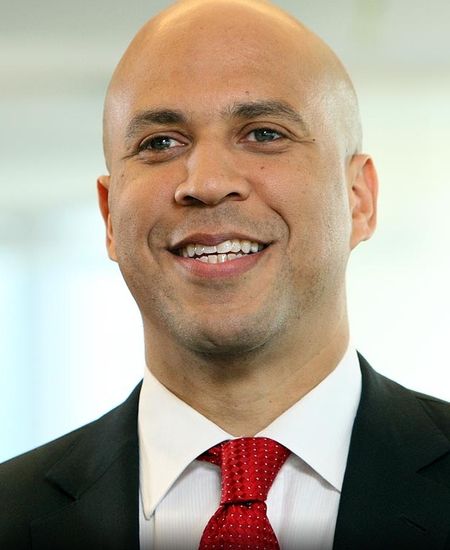
Sen. Cory A. Booker
Sponsored bills
Maddy summaryThe Moms Matter Act establishes two main grant programs to improve maternal mental health and expand the healthcare workforce dedicated to this field. The first program provides funding to community organizations and healthcare providers to integrate mental health services into prenatal and postpartum care, with a specific focus on groups facing higher risks of poor childbirth outcomes. The second program offers grants to educational institutions to train and recruit more mental health professionals who specialize in maternal care, prioritizing schools that commit to diversity and training on implicit bias. Both initiatives include requirements for regular reporting on how funds are used and their effectiveness in addressing maternal health disparities.
Maddy summaryThis bill, titled the Restoring Overtime Pay Act of 2026, raises the minimum salary required for employees to be exempt from federal overtime pay rules, directly affecting workers classified as executive, administrative, or professional staff. It establishes a specific salary schedule that starts at $45,000 per week and increases annually to $75,000 by 2029, after which the threshold will automatically adjust to match the 55th percentile of national earnings for full-time salaried workers. Additionally, the legislation modifies the criteria for determining job duties, requiring that at least 20 percent of an employee's time be spent on executive or administrative tasks rather than the previous 40 percent standard. The law also mandates that the Bureau of Labor Statistics regularly publish earnings data and requires the Department of Labor to provide public notice before implementing any updated salary thresholds.
Maddy summaryThe Maternal Health Pandemic Response Act allocates $190 million to the Centers for Disease Control and Prevention and other federal agencies to improve maternal health data collection and research during public health emergencies. This funding supports efforts to track how infectious diseases affect pregnant and postpartum individuals, with a specific focus on collecting and sharing detailed demographic information to address disparities among racial and ethnic minority groups. The bill also establishes a task force to develop guidelines for respectful maternity care, which includes recommendations on telehealth access, doula coverage, and addressing issues like racism and intimate partner violence in healthcare settings. Additionally, the legislation mandates that the government publicly release deidentified data on maternal health outcomes at least monthly during emergencies to help communities make informed decisions.
Maddy summaryThis Senate resolution designates the week of May 10 through May 16, 2026, as "National Police Week" to honor law enforcement officers across the United States. The measure formally recognizes the service and sacrifices of federal, state, local, and tribal police officers, including those who have died in the line of duty during 2025 and early 2026. By invoking existing federal authority, the bill encourages the public and government agencies to observe this week by acknowledging the essential mission of police work and supporting officer safety. The resolution also expresses condolences to the families of officers who have made the ultimate sacrifice and reaffirms support for communities served by law enforcement.
Maddy summaryThis Senate resolution designates May 16, 2026, as "Kids to Parks Day" to encourage families to visit national, state, and local parks. The bill aims to promote outdoor recreation, environmental stewardship, and healthy lifestyles for young people across rural, suburban, and urban communities. By officially recognizing this date, the Senate encourages Americans to take part in safe, active family trips to public lands.
Maddy summaryThis Senate resolution expresses the non-binding opinion that federal laws regarding medication abortion should rely on scientific evidence rather than political influence. It specifically calls for the FDA to maintain its approval of mifepristone, a drug proven safe and effective over 25 years, and to allow patients to access it through telemedicine or mail-order pharmacies. The measure highlights that current restrictions disproportionately harm marginalized communities, including people of color, low-income individuals, and those in rural areas. By stating these points, the resolution aims to encourage policymakers to ensure equitable and transparent access to abortion care based on medical consensus.
Maddy summaryThe Scientific Integrity Act requires federal agencies that fund, conduct, or oversee research to create and enforce policies ensuring that scientific work remains free from political influence and misconduct. These policies must explicitly prohibit actions such as suppressing data, altering findings, or retaliating against individuals who share research results, while also guaranteeing employees the right to publish their work and participate in professional organizations. To oversee these rules, each agency must appoint a career Scientific Integrity Officer, provide regular ethics training to staff, and publicly report on complaints and policy changes. Additionally, the law mandates that personnel decisions and scientific conclusions be based on expertise and established scientific processes rather than ideology, with periodic reviews to ensure compliance.
Maddy summaryThe Extinction Prevention Act of 2026 establishes four separate conservation funds to provide financial assistance for protecting specific species of butterflies, plants, freshwater mussels, and desert fish. The Department of the Interior will manage these funds by issuing competitive grants to eligible applicants, such as state agencies, nonprofits, and research institutions, while prohibiting federal agencies from being the primary recipients of funding. Each fund is authorized to receive $5 million annually from 2027 through 2032 and includes provisions for accepting donations, investing earnings, and requiring annual reports to Congress on project progress and species status. The legislation prioritizes projects that focus on threatened or endangered species and those designed for long-term sustainability, with a requirement for local community consultation and support.
Maddy summaryThe Reproductive Health Care Accessibility Act aims to improve access to reproductive health services for individuals with disabilities by addressing barriers such as inaccessible facilities and a lack of provider training. The bill creates several new funding programs to train medical professionals on disability-specific needs, recruit more disabled students into reproductive health careers, and provide accessible educational materials to patients. It authorizes millions of dollars in grants over five years to support these workforce development initiatives and establishes a national center to offer technical assistance on accessible care standards. Additionally, the legislation funds a study to identify effective programs and coordinate efforts across federal, state, and local agencies to ensure equitable health outcomes.