

Maddy summaryThe Elder Pride Act amends the Older Americans Act to formally recognize LGBTQI individuals and people living with HIV as distinct groups requiring specific attention. It establishes a new Office of LGBTQI Inclusion within the Department of Health and Human Services to coordinate services, conduct research, and administer grants aimed at improving care for older LGBTQI people. Additionally, the bill creates a $5 million rural outreach grant program to fund initiatives that reduce isolation, enhance cultural competency among service providers, and expand sexual health services in non-urban areas. These changes are designed to ensure that aging services are more inclusive and accessible to older adults who have historically faced discrimination or lack of tailored support.
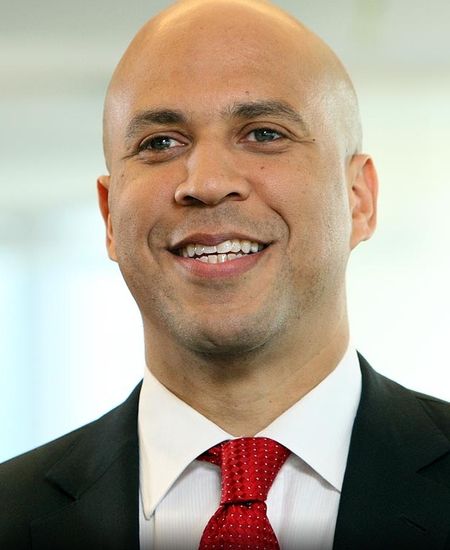
Sen. Cory A. Booker
Sponsored bills
Maddy summaryThe Elementary and Secondary School Counseling Act creates a new funding program to hire more counselors, psychologists, and social workers for schools with high numbers of low-income students. These funds are distributed to states, which then award subgrants to local school districts to help them reach recommended staffing ratios of 250 students per counselor, 500 per psychologist, and 250 per social worker. To qualify for the money, states must match the federal grant with their own funds and submit detailed plans showing how they will prioritize high-need schools. The bill also requires regular reporting on how many mental health staff are hired and the current student-to-staff ratios in participating schools.
Maddy summaryThe Federal Death Penalty Prohibition Act bans the imposition of the death penalty for any federal crime committed on or after the date the law takes effect. It directly affects individuals currently facing or serving federal death sentences by requiring that all such cases be resentenced to a penalty other than death. This legislation removes the death penalty as a sentencing option for federal offenses and mandates a review for those already sentenced to die before the bill becomes law.
Maddy summaryThis bill increases the corporate tax rate on stock buybacks to 25 percent for large oil and gas companies that meet specific revenue and operational criteria. It targets corporations with an average annual gross receipt of at least $1 billion that are primarily engaged in producing, refining, processing, transporting, or distributing oil or natural gas. The higher tax rate applies only to stock repurchases made after the bill is enacted and before gasoline prices fall below $2.937 per gallon for five consecutive weeks. If gasoline prices drop below this threshold, the special tax provision ceases to apply, and companies may claim a partial reduction in their tax liability based on the duration of the high-price period.
Maddy summaryThe All Students Count Act of 2026 requires schools to break down educational data into more specific categories for Asian American and Native Hawaiian and Pacific Islander students, moving beyond broad groupings to include distinct ethnicities like Chinese, Vietnamese, and Samoan. This change mandates that states report performance metrics for these detailed subgroups within their existing accountability systems to better reflect the diverse backgrounds of these communities. The bill takes effect 18 months after enactment, allowing time for states to adjust their data collection and reporting processes to accommodate the new requirements.
Maddy summaryThis joint resolution seeks to reject a specific rule issued by the Department of Education concerning the William D. Ford Federal Direct Loan Program. If passed, it would nullify the rule and prevent it from taking effect, directly impacting federal student loan policies. The measure uses a congressional disapproval process under Title 5 of the United States Code to override the department's regulatory decision. It does not create new policies but instead stops an existing proposed regulation from being implemented.
Maddy summaryThis bill prohibits the enforcement of contractual clauses that prevent victims of sexual abuse of minors from disclosing their abuse or related facts. It directly affects survivors of child sexual abuse, alleged perpetrators, and any parties to agreements containing such nondisclosure provisions. The law declares these clauses void and unenforceable under public policy, applies retroactively to agreements made before or after enactment, and preempts state laws that would allow enforcement of prohibited clauses. The bill also preserves the ability to settle cases while still allowing disclosure of abuse-related information.
Maddy summaryThis resolution honors the life and legacy of John Seymour, a late U.S. Senator from California, by formally acknowledging his public service and contributions. The document details his career highlights, including his roles as Mayor of Anaheim, his work in securing the relocation of the Los Angeles Rams, and his legislative achievements such as passing a major transportation bill. It also lists his committee assignments and advocacy for issues like special education, women's rights, and environmental protection. Finally, the resolution requests that the Senate Secretary communicate this tribute to the House of Representatives and send a copy to Seymour's family.
Maddy summaryThe MARCH for Military Servicemembers Act repeals a specific federal law that previously restricted the use of Department of Defense medical facilities and funds for abortion care. By removing this restriction, the bill allows military healthcare providers to offer abortion services to servicemembers without fear of violating federal regulations. This change directly affects active duty personnel, reservists, and their dependents who rely on military healthcare systems. The legislation does not create new funding or mandate specific procedures but rather restores the ability of the Department of Defense to provide reproductive care consistent with other medical treatments.
Maddy summaryThe Ending Passenger Rail Forced Arbitration Act prohibits Amtrak from using mandatory arbitration agreements for consumer and civil rights disputes involving its customers. This legislation invalidates any pre-existing contracts that require passengers to resolve issues like discrimination claims or personal injuries through private arbitration instead of court. Additionally, the bill ensures that customers retain the right to participate in joint, class, or collective legal actions against Amtrak. Courts, rather than arbitrators, will determine whether these arbitration clauses are valid, while disputes covered by the Railway Labor Act remain unaffected.