This concurrent resolution expresses support for law enforcement officers. It also appreciates the contributions and recognizes the sacrifices of law enforcement officers.
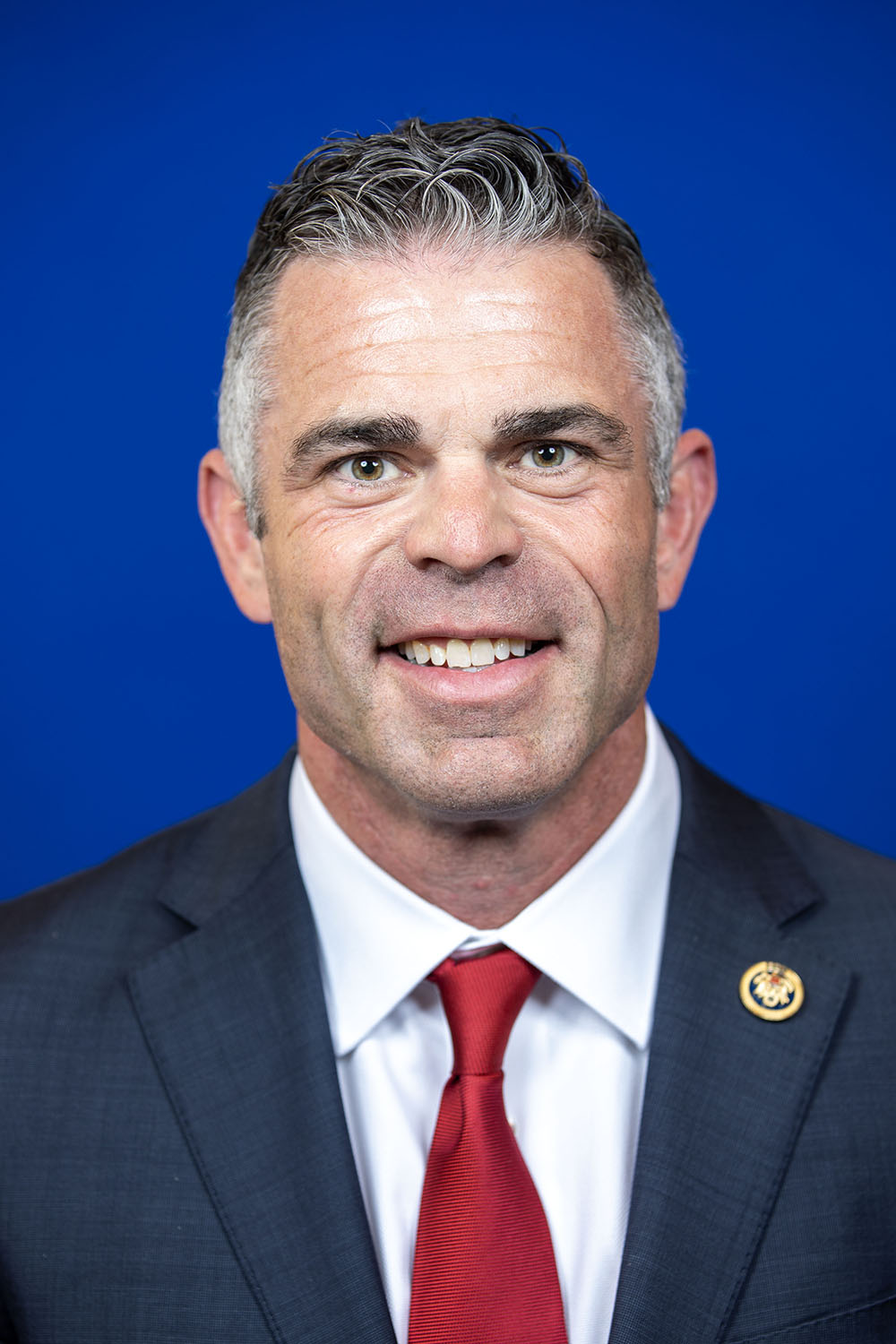
Rep. Tony Wied
Sponsored bills
Nationwide Consumer and Fuel Retailer Choice Act of 2025 This bill amends the Clean Air Act to address the limitations on Reid Vapor Pressure (a measure of gasoline's volatility) that are placed on gasoline during the summer ozone season. Specifically, the bill applies the waiver for Reid Vapor Pressure requirements that is applicable to gasoline blended with 10% ethanol (E10) to gasoline blended with up to 15% ethanol (E15). This change allows gasoline that is blended with 10% to 15% ethanol to be sold year-round. Currently, states may be excluded from the waiver for Reid Vapor Pressure requirements by submitting documentation supporting that the waiver would increase air pollution. The bill nullifies existing state exclusions, but states may submit documentation after enactment of the bill to be excluded going forward. The bill also modifies the Renewable Fuel Standard Program, which requires transportation fuel sold or introduced into commerce in the United States to contain minimum volumes of renewable fuel. Under the existing program, obligated parties, such as small refineries, must satisfy the volume obligations by either blending renewable fuels into their gasoline or diesel fuel products or by acquiring credits that represent the required renewable fuel volume. The bill directs the Environmental Protection Agency to return compliance credits to small refineries under certain circumstances.
Maddy summaryThe PLOW Storms Act amends the Clean Air Act to classify snow removal vehicles and machinery as emergency vehicles. This change directly affects state, local, and tribal governments that own or operate equipment used to clear snow and ice from public roads and rights-of-way. By including these dedicated-use vehicles in the definition of emergency fleets, the bill allows them to operate under specific exemptions related to emissions standards during winter storm conditions. The legislation focuses on ensuring that essential snow clearing operations can proceed without regulatory hindrance during severe weather events.
Maddy summaryThis bill increases loan limits for small manufacturers under two federal programs. It defines "small manufacturer" as a business primarily in U.S. manufacturing sectors (31-33) with all facilities in the U.S. The bill raises the maximum Small Business Administration 7(a) loan limit for these manufacturers from $3.75 million to $7.5 million (capping at $10 million), and doubles the export loan limit from $5 million to $10 million. These changes directly affect qualifying U.S.-based manufacturing businesses seeking federal loan support for operations or exports. The policy modifies specific loan caps without altering other program requirements.
Maddy summaryThis bill would amend federal law to strengthen penalties for organized retail crime by expanding definitions of theft to include digital goods, gift cards, and setting a $5,000 aggregate value threshold for charges over a 12-month period. It would establish a new "Organized Retail and Supply Chain Crime Coordination Center" under Homeland Security to coordinate Federal, State, local, and Tribal law enforcement efforts against cross-jurisdictional theft groups. The Center would share information with retailers, transportation companies, and law enforcement agencies, track crime trends, and produce annual reports on organized retail crime. This legislation directly affects retailers, supply chain businesses, and law enforcement agencies, while targeting organized crime groups responsible for a 93% increase in larceny incidents and rising safety concerns for retail employees. The bill aims to address significant financial losses and supply chain disruptions noted in the National Retail Federation's 2023 data.
Maddy summaryThis resolution expresses support for designating the week of May 3 through May 9, 2026, as "National Small Business Week." It aims to honor the contributions of small businesses and entrepreneurs across the United States, acknowledging their role in supporting millions of jobs. The bill does not create new laws or regulations but serves as a formal statement of appreciation from the House of Representatives.
Maddy summaryThis resolution expresses support for designating the week of May 8 through May 17, 2026, as National American Birding Week. It recognizes the economic value of birdwatching, noting that it generates billions in revenue and supports millions of jobs. The bill also highlights the importance of conserving migratory bird populations and encourages the public to attend related events. This measure is symbolic and does not create new laws or funding.
Maddy summaryThe FAIR Labels Act of 2026 establishes new labeling requirements for cell-cultivated protein products and plant-based alternatives designed to look like meat or poultry. It mandates that labels for these products prominently display the terms "cell-cultivated" or "plant-based alternative protein product" and include clear disclaimers stating the items are not derived from live animals or birds. Additionally, the bill updates regulatory oversight by requiring the USDA and FDA to revise their agreement, assigning the USDA primary responsibility for regulating cell-cultivated meat and poultry while the FDA oversees production safety and facility compliance. The legislation also directs these agencies to create common standards of identity for these products within 180 days of enactment.
Maddy summaryThe Fair Air Standards Act allows states to request that the Environmental Protection Agency reclassify certain air zones from "nonattainment" to "attainment" status. This change is permitted if the state proves that its air quality would have met national standards for ozone had pollution from outside the state not been a factor. The process requires the state governor to submit evidence and modeling data, after which the EPA has 180 days to review and approve the redesignation. By shifting the focus to external pollution sources, the bill aims to provide a clearer path for states to improve their air quality designations.
Maddy summaryThe DAIRY PRIDE Act aims to amend the Federal Food, Drug, and Cosmetic Act to establish a specific definition for "dairy product." This bill directly affects food manufacturers and consumers by regulating how certain food names can be used. It defines a "dairy product" as food that is, contains as a primary ingredient, or is derived from, the lacteal secretion of hooved mammals. The act prohibits foods that do not meet this definition, or the requirements for an imitation food, from using names for standardized dairy products (like milk, yogurt, and cheese) in interstate commerce. Additionally, it requires the FDA to issue guidance on enforcement of these provisions and report to Congress on actions taken.