

Protecting Privacy in Purchases Act This bill prohibits payment card networks from using merchant codes that distinguish firearms retailers from general-merchandise retailers or sporting-goods retailers. The Department of Justice must enforce this bill and report annually on the resulting investigations and cases.
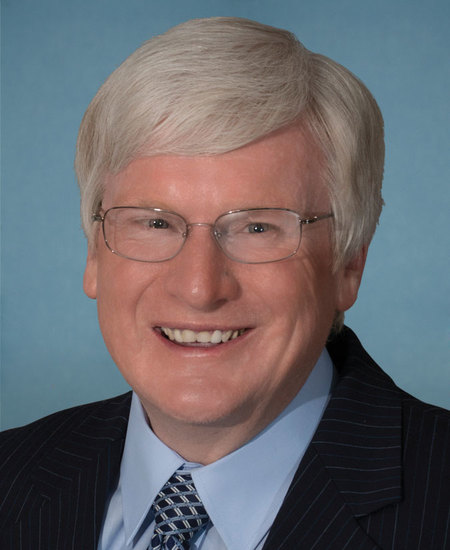
Rep. Glenn Grothman
Sponsored bills
Maddy summaryThis resolution expresses support for the Trump administration's efforts to prevent fraud, waste, and abuse in the Supplemental Nutrition Assistance Program (SNAP). It highlights specific findings from 29 states that shared data, noting issues such as deceased individuals receiving benefits and people using incorrect Social Security numbers. The bill aims to increase transparency and ensure taxpayer dollars are redirected to eligible low-income families rather than being lost to criminal actors.
Maddy summaryThis bill, known as the Hmong Congressional Gold Medal Act, authorizes the U.S. Congress to present a gold medal to the Hmong people in recognition of their distinguished service during the Vietnam War. The legislation directs the Speaker of the House and the President pro tempore of the Senate to arrange for this presentation, while the Secretary of the Treasury is tasked with creating the medal and selling duplicate bronze versions to cover production costs. Following the award ceremony, the original gold medal will be given to the Smithsonian Institution for display and research, with a recommendation that it also be made available at locations significant to Hmong history. The act applies to the over 327,000 Hmong currently living in the United States, acknowledging their heavy casualties and displacement after the war.
Maddy summaryThe Federal Jobs for STARs Act of 2026 aims to increase hiring opportunities for individuals in the federal workforce who have gained skills through alternative routes like military service, apprenticeships, or community colleges rather than traditional four-year degrees. It requires the Office of Personnel Management to restrict agencies from mandating bachelor's degrees unless absolutely necessary and to create a specific section on federal job websites dedicated to these candidates. Additionally, the bill mandates a study to explore funding options, such as scholarships and tuition assistance, to help current federal employees with these backgrounds pursue further education.
Maddy summaryThe PARITY Act modifies the Higher Education Act by removing specific regulatory requirements related to institutional accreditation. This change directly affects colleges and universities by eliminating the need to comply with the repealed provisions regarding their status and oversight. The bill achieves this by amending Section 487 to delete a specific paragraph and an entire subsection that previously imposed these rules.
Maddy summaryThe Boat Loan Interest Deduction Act of 2026 expands the tax deduction for interest paid on consumer loans to include recreational motorboats, alongside existing vehicles like cars and trucks. This change allows taxpayers who take out loans for boats assembled in the United States to deduct the interest they pay on their federal income tax returns, provided the boat is used primarily for recreation. The law applies to debts incurred after December 31, 2025, and requires taxpayers to report the boat's hull identification number on their tax filings.
Maddy summaryHR 4398, the Veteran Burial Timeliness and Death Certificate Accountability Act, requires Veterans Affairs (VA) physicians or nurse practitioners to certify the death of a veteran who dies of natural causes within 48 hours of learning of the death. This directly affects veterans' families, who previously faced delays of up to eight weeks in burial and access to survivor benefits due to slow death certifications. The bill mandates annual reports to Congress on VA compliance with the 48-hour rule, including statistics on delays and their causes. The key change is establishing a strict timeline for death certification to prevent unnecessary delays in honoring veterans' final arrangements.
Maddy summaryThe Marketplace Fraud Accountability Act requires the healthcare.gov website to use multi-factor authentication for users enrolling in health plans or accessing their personal enrollment data. This security measure, which involves verifying identity through at least two methods like passwords and biometrics, must be implemented within one year of the bill's enactment. The law includes an exception for individuals who lack access to broadband or cellular service or cannot otherwise use this technology. By strengthening identity verification, the bill aims to protect consumer information while maintaining access for those with connectivity limitations.
Maddy summaryThe Homeownership Eligibility Reform Act restricts access to government-backed and private mortgage insurance for single-family homes to individuals who are U.S. citizens. Specifically, the bill amends laws governing the Federal Housing Administration, Fannie Mae, and Freddie Mac to require that borrowers for one-to-four-unit properties must be citizens to qualify for their mortgage products. This change directly affects foreign nationals and non-citizen residents who currently might purchase homes with these types of financing, effectively limiting their eligibility for these specific mortgage programs.
Maddy summaryThis bill redesignates the existing National Parks and Public Land Legacy Restoration Fund as the America's Legacy Restoration Fund to address deferred maintenance on federal lands. It directs revenue from recreation fees and a portion of energy development income into the fund, which must be used primarily for repairing critical infrastructure like roads, trails, and buildings managed by agencies such as the National Park Service and the Forest Service. The legislation establishes strict rules requiring that most funds go toward non-transportation projects, mandates transparency through public dashboards tracking project status, and sets aside a small percentage for matching private donations. Additionally, the bill increases entrance fees for foreign visitors to ensure they contribute to the fund, while prohibiting the use of these specific funds for land acquisition or employee bonuses.