

Maddy summaryThis bill would reform immigration parole by requiring the Secretary of Homeland Security to grant temporary entry only on a case-by-case basis for urgent humanitarian needs or significant public benefit, reversing what the bill describes as systemic overuse. It imposes a strict annual cap of 3,000 paroles starting in fiscal year 2029, restricts parole for nationals of designated "countries of concern" without a State Department waiver, and allows states to sue if they claim financial harm exceeding $100 from parole decisions. The bill directly affects immigrants seeking temporary entry and DHS officials administering the program. Key mechanisms include the new cap, country restrictions, and state lawsuit provisions to enforce compliance.
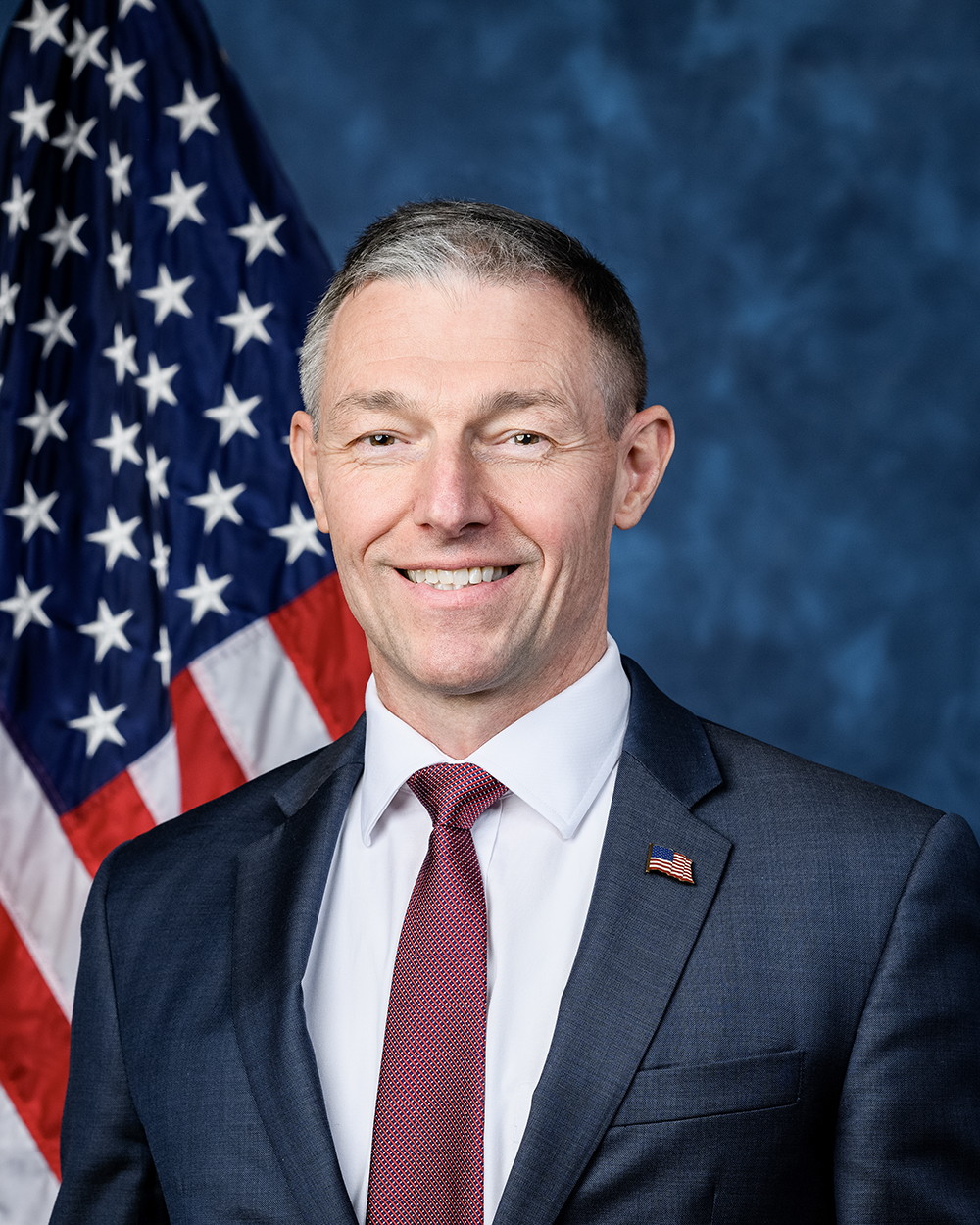
Rep. Mike Kennedy
Sponsored bills
Maddy summaryHR 3667, the "Strengthening American Nuclear Energy Act," makes four specific executive orders signed on May 23, 2025, legally binding. It requires the Department of Energy (DOE), the Nuclear Regulatory Commission (NRC), and the nuclear industry to follow these orders, which cover reactor testing rules, deploying advanced nuclear technologies for national security, reforming NRC processes, and supporting the nuclear industrial base. The bill directly affects federal agencies managing nuclear energy and the companies developing new nuclear reactors.
This joint resolution allows off-road vehicles to be used in certain areas of the Glen Canyon National Recreation Area, which is in northern Arizona and southeastern Utah and contains Lake Powell. Specifically, the joint resolution nullifies the rule issued by the National Park Service (NPS) titled Glen Canyon National Recreation Area; Motor Vehicles and published on January 13, 2025. Under the rule, the NPS limited the use of off-road vehicles, such as off-highway vehicles and all-terrain vehicles, in certain areas. For instance, the rule prohibited the use of off-road vehicles on an 8-mile segment of the Poison Spring Loop located on Route 633 proceeding north to Route 730 in the Orange Cliffs Special Management Unit. The rule also eliminated the authority of the NPS to open the upper portion of the Flint Trail in that unit to off-road vehicles. Additionally, the rule limited off-road vehicle use from certain roads to the shoreline of the lake.
Maddy summaryHRES 447 is a non-binding House resolution condemning antisemitism and honoring Yaron Lischinsky and Sarah Milgrim, two Israeli Embassy employees killed during a peace-focused panel discussion in 2023. The resolution specifically condemns all forms of antisemitism - including violence, vandalism, and online harassment - and remembers the victims, who were killed by a far-left activist affiliated with the Party for Socialism and Liberation. It calls for enforcing existing hate crime laws and protecting religious freedom, without creating new legislation. This resolution symbolically supports Jewish communities and victims of antisemitic violence but does not alter legal requirements.
Maddy summaryHR 3595, the Safe Prescribing Through Reporting Act of 2025, requires healthcare providers to share certain records about prescribing or dispensing medications for substance use disorder with state prescription drug monitoring programs (PDMPs), but only when state law already mandates such reporting. This bill does not create new reporting requirements but ensures federal law aligns with existing state rules. It directly affects healthcare providers (like doctors and pharmacists) who prescribe or dispense medications for addiction treatment, as they must comply with their state's PDMP reporting rules. The key provision amends federal law to clarify that such disclosures are permissible under applicable state law.
Maddy summaryHR 3518 would deny federal funding to graduate medical schools that require certain diversity, equity, and inclusion (DEI) policies. Specifically, schools must certify they do not compel students or staff to affirm specific beliefs about race, gender, or systemic racism; require "diversity statements" for admission or employment; establish DEI offices; or discriminate based on race in programs. This affects graduate medical schools at institutions of higher education seeking federal financial aid, including student loan programs. The bill permits schools to teach about medical conditions related to race or collect demographic data, but prohibits policies mandating DEI-related pledges or offices.
Maddy summaryThis bill directs the Secretary of the Interior to study whether the Bonneville Shoreline Trail should be officially designated as part of the National Trails System. The study will assess the feasibility of designating this 280-mile trail system, which follows the historic shoreline of ancient Lake Bonneville from the Idaho-Utah border to Nephi, Utah. The bill does not create the trail or change current management but requires a federal evaluation to inform future decisions. This study would determine if the trail meets criteria for formal designation under the National Trails System Act.
Maddy summaryThis bill increases mandatory prison sentences for non-citizens convicted of certain crimes after entering the U.S. without authorization or being deported. It raises the minimum sentence from 2 to 5 years for those who improperly enter the U.S. and later commit a crime punishable by over one year in prison. For non-citizens previously deported who commit crimes, it increases the minimum sentence from 2 to 10 years and mandates at least 10 years for offenses including aggravated felonies, state/federal felonies, or crimes punishable by over one year. These changes apply to all non-citizens convicted under these circumstances, regardless of jurisdiction.
Maddy summaryHR 3078 requires the U.S. Department of Energy to develop new technologies that detect fentanyl vapor or particles. The bill mandates coordination between the Energy Secretary, Attorney General, Homeland Security Secretary, and Postmaster General to test these technologies. Specifically, the program focuses on rapid screening for fentanyl in mail, prisons, U.S. borders, and other related settings. This creates a new federal research initiative with defined use cases for fentanyl detection technology.
Maddy summaryThe SNAP Reform and Upward Mobility Act of 2025 modifies the Supplemental Nutrition Assistance Program (SNAP) and improves how poverty is measured in the United States. It requires states to gradually increase their matching funds for SNAP from 10% to 50% over nine years, raises the age for certain work requirements from 60 to 65, and mandates states to report on employment and training program outcomes for SNAP recipients. The bill also establishes a Commission to recommend how to value non-cash benefits for poverty measurement and requires the Census Bureau to collect additional data on federal benefit participation to improve poverty calculations. These changes directly affect SNAP recipients, state agencies administering the program, and the methodology used to measure poverty in the U.S.