

Maddy summaryThis resolution commemorates the 10th anniversary of the 2016 Pulse nightclub shooting in Orlando, Florida, which was an act of domestic terrorism. It formally honors the names of the victims and expresses condolences to their families while acknowledging the bravery of law enforcement and emergency responders who responded to the tragedy. The document also reaffirms support for the LGBTQ+ community and calls for continued efforts to improve gun safety and mental health legislation.
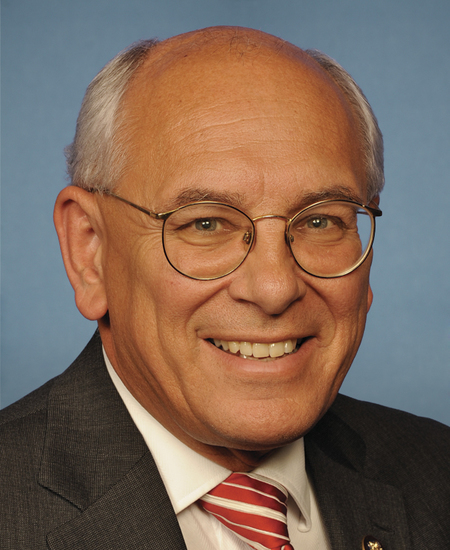
Rep. Paul Tonko
Sponsored bills
Maddy summaryThe Keep Public Funds in Public Schools Act of 2026 eliminates a federal tax credit that allowed parents to deduct contributions to scholarship granting organizations from their income. By removing these specific tax breaks, the bill prevents the use of public tax dollars to support private school vouchers and scholarship programs. This change directly affects families who currently rely on these tax incentives to fund education outside the public school system. The provisions take effect for taxable years beginning after December 31, 2026.
Maddy summaryThis joint resolution seeks to reject a specific rule issued by the Department of Health and Human Services regarding the Child Care and Development Fund. By invoking a statutory process, the bill aims to prevent the rule from taking effect, which would stop the Department from implementing the proposed changes to child care funding flexibility. The measure directly impacts the administration of federal child care assistance programs and affects families and organizations relying on the CCDF. If passed, the original regulations published in May 2026 would be nullified and have no legal force.
Maddy summaryThe Timeshare Transparency Act requires timeshare companies to provide buyers with a single document detailing all acquisition and maintenance costs, potential fee changes, exit options, and a 14-day penalty-free cancellation period. Before signing an agreement, consumers must have a chance to review these documents independently, away from company employees. The Federal Trade Commission is authorized to enforce these requirements and issue necessary rules, treating violations as unfair or deceptive practices. This law applies to agreements made after a 90-day waiting period and does not prevent states from enforcing stricter consumer protections.
Maddy summaryThis bill, known as the Double the Wage for Overtime Act of 2026, aims to change how overtime pay is calculated for employees covered by the Fair Labor Standards Act. It directly affects workers who currently earn less than $23,660 annually, as it would require employers to pay them two times their regular hourly rate instead of one and a half times for hours worked beyond 40 in a week. The law takes effect 180 days after it is signed, ensuring a transition period before the new pay requirements begin. By raising the overtime multiplier, the legislation seeks to increase earnings for hourly workers who work extra hours.
Maddy summaryThis bill, known as the Alice Cogswell and Anne Sullivan Macy Act, amends the Individuals with Disabilities Education Act to improve special education services for children who are deaf, hard of hearing, deafdisabled, blind, visually impaired, or deafblind. It requires states to identify these students regardless of how they are currently classified, ensuring they receive specialized instruction in their primary language and access to qualified professionals. Key provisions mandate that state plans include specific strategies for language development, Braille instruction, and the use of assistive technologies, while also establishing a new national center to support research and training for educators of students with visual disabilities. Additionally, the legislation clarifies definitions for deafblindness and interveners, updates data reporting requirements to track these populations more accurately, and ensures early intervention services are delivered in natural environments to support language and communication milestones.
Maddy summaryThis bill establishes a five-year demonstration program to fund projects that improve mentorship practices for faculty, graduate students, and postdoctoral researchers in science, technology, engineering, and mathematics fields. It allows the National Science Foundation to award grants to universities and nonprofit organizations for initiatives focused on building mentoring skills, training cultural competencies, and researching better mentorship methods, with special priority given to minority-serving and rural institutions. Additionally, the legislation updates reporting requirements to include institutional processes for addressing harassment, discrimination, and professional misconduct. The program is authorized to receive up to $5 million annually from fiscal years 2027 through 2031, with a requirement to report on its effectiveness after five years.
Maddy summaryThis resolution expresses support for designating June 5, 2026, as National Gun Violence Awareness Day and June 2026 as National Gun Violence Awareness Month. The bill calls on the public to wear orange on the designated day to honor victims and promote awareness of gun safety. It highlights statistics on gun-related deaths and injuries to underscore the need for community discussions on making neighborhoods safer.
Maddy summaryThis resolution expresses support for designating May 2026 as Mental Health Awareness Month to highlight the importance of mental well-being and reduce stigma. It does not create new laws or allocate funding but serves as a formal statement acknowledging the rising rates of mental illness, suicide, and disparities in care across the United States. The text cites various statistics regarding anxiety, depression, and access to treatment to underscore the need for public awareness and continued efforts by medical and community organizations. Ultimately, the bill encourages citizens and institutions to use this month to promote mental health resources and support for individuals and families affected by mental illness.
Maddy summaryThe Residential AED and CPR Preparedness Act of 2026 creates a grant program to help owners or operators of federally assisted multifamily housing improve emergency cardiac care readiness. To receive funding, these housing entities must partner with qualified health care organizations to develop emergency response plans, train residents and staff, and purchase or maintain automated external defibrillators. The bill authorizes $25 million annually from 2027 to 2031 to support these activities in housing projects that serve people with disabilities, the elderly, or other assisted populations. Additionally, the Department of Health and Human Services must consult with various housing and medical agencies while reporting progress to Congress every two years.