

Maddy summaryHRES 1405 is a non-binding resolution that encourages the U.S. House of Representatives to recognize June as LGBTQIA+ Pride Month. The document acknowledges the historical significance of events like the Stonewall Inn uprising and highlights the ongoing struggle for equality faced by lesbian, gay, bisexual, transgender, queer, intersex, and asexual individuals. It includes a detailed list of historical milestones and legislative achievements related to LGBTQIA+ rights to provide context for the celebration. Because this measure is a resolution of recognition rather than a law, it does not create new legal obligations or change federal policy.
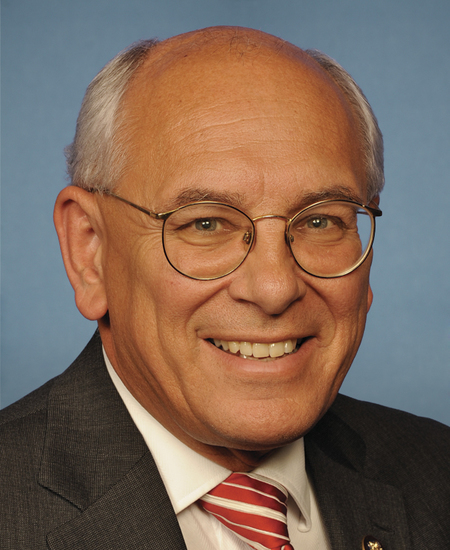
Rep. Paul Tonko
Sponsored bills
Maddy summaryThis resolution expresses the House of Representatives' support for the goals of Alzheimer's and Brain Awareness Month, which takes place in June. It aims to raise public awareness about Alzheimer's disease and other forms of dementia while encouraging individuals to educate themselves and advocate for better research and care services. The document highlights the significant impact of these conditions on millions of Americans and calls for increased support for patients, their families, and caregivers.
Maddy summaryThis bill establishes a new grant program administered by the National Endowment for the Arts to document the history, culture, and daily life of Americans in celebration of the nation's 250th anniversary. The program will provide funding to eligible nonprofit organizations, state arts agencies, and commissions to hire writers, photographers, and artists to create written, photographic, and digital works covering diverse communities across all regions of the United States. To ensure comprehensive coverage, the bill requires the NEA to appoint an advisory panel to set guidelines and mandates that the resulting projects collectively reflect the full breadth of American experience, from urban centers to rural and Tribal areas. Additionally, the legislation directs the creation of a public repository and an archive at the Library of Congress to preserve and distribute these works, while prohibiting the requirement for recipients to match the grant funds with their own money.
Maddy summaryThe Residential Recovery for Seniors Act expands Medicare coverage to include three specific levels of residential treatment for substance use disorders: clinically managed low-intensity, clinically managed high-intensity, and medically managed services. To qualify for this coverage, facilities must meet strict standards regarding staffing, clinical assessments, and adherence to evidence-based criteria developed by recognized medical associations. The bill also establishes a new payment system that reimburses these facilities on a per-day basis, starting in fiscal year 2027, with rates initially set to cover 100% of their estimated costs.
Maddy summaryThe LIFT the BAR Act aims to restore access to federal benefits for lawfully present noncitizens by repealing several restrictions imposed by the 1996 welfare reform law and a 2024 reconciliation bill. Specifically, it would allow eligible noncitizens to receive SNAP food assistance, Medicaid, CHIP, and child nutrition programs, while also updating legal terminology to refer to "noncitizens" rather than "aliens" in relevant statutes. The legislation includes provisions to ensure these individuals can qualify for premium tax credits and would require federal agencies to issue implementation guidance within 180 days of enactment.
Maddy summaryHR 4398, the Veteran Burial Timeliness and Death Certificate Accountability Act, requires Veterans Affairs (VA) physicians or nurse practitioners to certify the death of a veteran who dies of natural causes within 48 hours of learning of the death. This directly affects veterans' families, who previously faced delays of up to eight weeks in burial and access to survivor benefits due to slow death certifications. The bill mandates annual reports to Congress on VA compliance with the 48-hour rule, including statistics on delays and their causes. The key change is establishing a strict timeline for death certification to prevent unnecessary delays in honoring veterans' final arrangements.
Maddy summaryThe SAFE Training for OB-GYNs Act creates a new federal grant program to help medical residents who must leave their home states to receive training in reproductive health care due to local abortion restrictions. Funded with up to $10 million annually from 2027 to 2031, these grants support residency programs that offer specialized training in sexual and reproductive health, including abortion care. The funding can be used to expand existing programs or establish new ones specifically for out-of-state residents and to cover their travel expenses. This legislation directly affects health care professionals seeking specialized training and the medical residency programs that provide it.
Maddy summaryThe Latonya Reeves Freedom Act of 2026 strengthens the Americans with Disabilities Act to ensure individuals with long-term service and support needs have a federally protected right to live in their communities rather than institutions. It requires states and insurance providers to offer community-based services that allow people to maintain independence, control their own care, and access affordable, integrated housing. The bill mandates that public entities and insurers create enforceable transition plans to move people out of institutions, conduct self-evaluations to identify barriers, and establish clear grievance procedures for resolving complaints. Enforcement is handled by the Department of Justice, which can investigate violations, while individuals may also file civil lawsuits to seek damages or court orders preventing institutionalization.
Maddy summaryThis joint resolution expresses Congress's disapproval of a specific federal rule issued by the Centers for Medicare & Medicaid Services regarding the Affordable Care Act and the Basic Health Program for 2027. If passed, the measure would legally nullify the rule, preventing it from taking effect. The bill directly impacts the administration of healthcare benefits and payment parameters for the upcoming year by rejecting the proposed guidelines.
Maddy summaryThis resolution formally recognizes Avoidant/Restrictive Food Intake Disorder (ARFID) as a serious eating disorder that causes significant health and developmental problems without involving body image issues. It highlights the need for better public and medical awareness to ensure early detection, particularly in children, and calls for increased research into the disorder's genetic and biological causes. The bill urges federal and local agencies to improve screening practices in healthcare and schools, while also advocating for expanded access to multidisciplinary treatments like nutrition and behavioral therapy.