

Maddy summaryThis bill directs the Comptroller General to conduct a comprehensive review of indoor air quality, ventilation, and heating systems across all federal buildings and facilities. The assessment will examine how agencies monitor these systems, the frequency of identified problems, the qualifications of workers performing related maintenance, and the effectiveness of current oversight measures. Within 12 months of enactment, the Comptroller General must submit a report to Congress detailing findings and recommendations. If the report identifies significant deficiencies, affected federal agencies are required to submit corrective action plans to Congress within six months of the report's release.
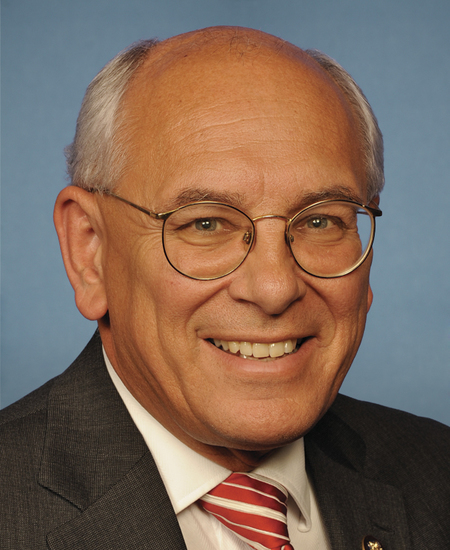
Rep. Paul Tonko
Sponsored bills
Maddy summaryThis bill expands federal election laws to prevent foreign nationals from influencing U.S. elections by tightening restrictions on domestic companies with significant foreign ownership or control. It requires businesses that are at least 50% owned by foreign individuals, or those with specific foreign influence, to file a sworn certification proving they are not foreign-controlled before making any political donations or spending money on election activities. Additionally, the law clarifies that these rules apply to state and local ballot initiatives and mandates that corporate political action funds certify their managers and board members are U.S. citizens or permanent residents. The legislation also prohibits recipients of funds from these businesses from using the money for further political contributions unless they receive and verify the required compliance certification.
Maddy summaryThe Inclusive Democracy Act of 2026 mandates that individuals with criminal convictions retain their right to vote in federal elections and requires prisons, jails, and probation offices to notify incarcerated or supervised individuals of this right. The bill establishes specific procedures for voter registration and absentee voting within carceral settings, including expedited transmission of forms and the ability to use either a prison address or a last known address for registration. It also prohibits states from rejecting ballots or registration applications based on late mailing dates or electronic submission methods and ensures that election materials and nonpartisan voter registration services can be distributed inside correctional facilities.
Maddy summaryThis bill, titled the Congressional Oversight and Agency Access Act, grants Members of Congress and their full-time staff guaranteed entry to all federal public buildings during regular business hours. It requires these individuals to present official congressional identification and mandates that staff members be accompanied by their employing Member of Congress. The legislation also ensures access outside of normal hours within 24 hours of a request, allows immediate entry during public meetings, and permits access to secure areas if the Member belongs to a relevant committee or obtains consent from the committee's leadership. Additionally, the bill prohibits temporary modifications to buildings that would obstruct a Member's ability to observe the facility.
This bill designates the facility of the United States Postal Service located at 80 Atlantic Avenue in Oceanside, New York, as the "Detective Luis G. Alvarez Post Office".
Maddy summaryThe Protecting Immigrants From Legal Exploitation Act of 2026 aims to combat fraud by increasing criminal penalties for individuals who falsely represent themselves as immigration lawyers or provide fraudulent services. It requires non-lawyer immigration service providers to identify themselves on applications and allows victims of unauthorized practice of law to withdraw and resubmit their immigration forms without penalty. The bill also empowers the Attorney General to issue civil injunctions against fraudulent providers and mandates that convicted fraudsters reimburse their clients for services rendered. To support legitimate legal aid, the legislation authorizes funding for outreach programs and grants to nonprofit organizations that provide direct legal assistance to immigrants.
Maddy summaryThe CHARM Act directs the Environmental Protection Agency to create a National Critical Mineral Recovery Strategy aimed at coordinating federal efforts to extract essential minerals from discarded materials and mining waste. This strategy requires the agency to identify existing programs, overcome legal and technological barriers, and ensure that recovery methods protect human health and the environment. The bill mandates that the EPA report its findings and actions to Congress every two years, including recommendations for future legislation to support these recovery efforts. Ultimately, the law seeks to strengthen domestic supply chains by systematically evaluating opportunities to reuse critical minerals found in waste streams.
Maddy summaryHR 6529, the Protecting Families from AI Data Center Energy Costs Act, mandates the Federal Energy Regulatory Commission (FERC) to hold a technical conference within 90 days of enactment. The conference will include AI data centers, utilities, and ratepayer advocates to develop strategies protecting residential and small commercial customers from rising energy costs caused by large energy users. FERC must then submit a report with recommendations to Congress within 180 days. This procedural bill directly affects households and small businesses facing potential rate increases due to AI data center energy demands.
Maddy summaryThis bill reauthorizes federal programs focused on preventing and responding to tick-borne diseases through 2026-2030, extending existing efforts beyond their previous expiration. It updates the National Strategy for Vector-Borne Diseases to emphasize identifying, reporting, preventing, and responding to these illnesses. The bill modifies two sections of the Public Health Service Act to continue funding for health departments working on vector-borne disease control. It directly affects public health programs and state/local health departments managing tick-borne disease prevention and response.
Maddy summaryThe AADAPT Act reauthorizes and expands Project ECHO grants to improve Alzheimer’s and dementia care through technology-enabled training. It specifically funds grants for healthcare providers in rural, frontier, or medically underserved areas to enhance early diagnosis, quality care, and provider retention for dementia patients. The bill authorizes $1 million annually (2027-2032) for these dementia-focused training programs, requiring funds to supplement - not replace - existing resources. This directly supports primary care providers licensed to serve underserved communities, using collaborative online learning to address care gaps.