

Maddy summaryThis resolution expresses support for designating July 3 through July 10, 2026, as "National Extreme Heat Awareness Week" to educate the public on the dangers of extreme heat. The bill highlights how high temperatures threaten public safety, infrastructure, and agriculture, noting that heat is the leading weather-related cause of death in the United States. It encourages federal, state, and private entities to hold ceremonies and activities during this week to raise awareness about preventing heat-related illnesses and promoting community preparedness.
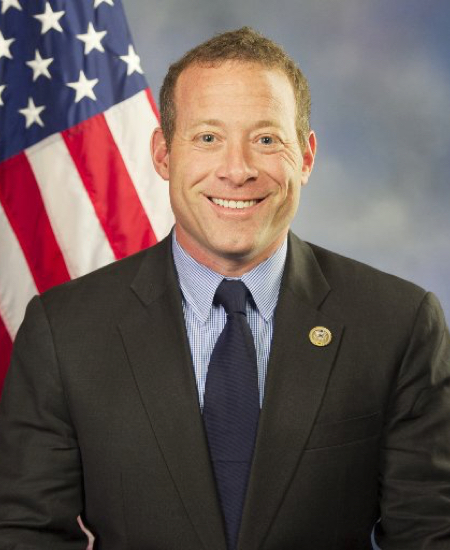
Rep. Josh Gottheimer
Sponsored bills
Maddy summaryThe Federal Cryptocurrency Theft Enforcement and Coordination Act establishes a new task force within the Department of Justice to coordinate efforts against cryptocurrency theft. Led by the Attorney General, this group will include representatives from agencies such as the FBI and the Treasury to improve how federal, state, and local law enforcement investigate and prosecute these crimes. The task force is responsible for sharing information, providing training on digital evidence collection, and identifying gaps in current laws without creating new criminal offenses or regulating digital assets. Additionally, the Attorney General must submit annual reports to Congress detailing the task force's activities and offering recommendations for future improvements.
Maddy summaryHR 5408, the Faster Labor Contracts Act, requires employers to begin negotiating a first contract with a newly certified union within 10 days of written request. If no agreement is reached within 90 days, the parties must seek mediation, and if unresolved after 30 days of mediation, the dispute moves to binding arbitration by a three-member panel. The arbitration decision, based on factors like employer finances, industry standards, and cost of living, becomes binding for two years. This bill directly affects newly certified unions and their employers during initial contract negotiations, aiming to reduce delays that currently average 465 days.
Maddy summaryMarcus's Law requires high school students in grades 9 through 12 to undergo an electrocardiogram and echocardiogram before participating in their first athletic contest starting in the 2026-2027 school year. This mandate applies to schools receiving federal education funds and includes provisions for partnerships to keep the cost of these screenings at $20 or less per student. The bill allows for waivers if schools cannot secure these partnerships despite making sufficient attempts and provides exemptions for students with religious objections or valid medical reasons.
Maddy summaryThis bill requires the Commerce and State Departments to develop strategies preventing U.S. and allied technology exports to Iran for drone production. It specifically targets microchips, GPS modules, and other critical components (like microcontrollers and voltage regulators) used in Iranian drones that have been linked to attacks in Ukraine and against Israel via groups like Hamas. The strategy must identify U.S. and foreign manufacturers, track third-party distributors circumventing controls, and coordinate with allies to block these exports. It directly affects U.S. technology companies, global distributors, and foreign partners whose exports could enable Iran's drone program. The bill aims to disrupt technology flows supporting Iranian drones used in conflicts without making speculative claims about outcomes.
Maddy summaryThis bill, known as the Alice Cogswell and Anne Sullivan Macy Act, amends the Individuals with Disabilities Education Act to improve special education services for children who are deaf, hard of hearing, deafdisabled, blind, visually impaired, or deafblind. It requires states to identify these students regardless of how they are currently classified, ensuring they receive specialized instruction in their primary language and access to qualified professionals. Key provisions mandate that state plans include specific strategies for language development, Braille instruction, and the use of assistive technologies, while also establishing a new national center to support research and training for educators of students with visual disabilities. Additionally, the legislation clarifies definitions for deafblindness and interveners, updates data reporting requirements to track these populations more accurately, and ensures early intervention services are delivered in natural environments to support language and communication milestones.
Maddy summaryThis resolution expresses support for designating June 5, 2026, as National Gun Violence Awareness Day and June 2026 as National Gun Violence Awareness Month. The bill calls on the public to wear orange on the designated day to honor victims and promote awareness of gun safety. It highlights statistics on gun-related deaths and injuries to underscore the need for community discussions on making neighborhoods safer.
Maddy summaryThe Abraham Accords Expansion Act of 2026 updates the legal framework for the Special Envoy to include Central Asia and the Caucasus in normalization efforts alongside existing regions. This change formally recognizes Kazakhstan as the first Central Asian nation to join the Abraham Accords and defines specific countries within the Caucasus and Central Asia regions. The bill requires the Special Envoy to coordinate with other federal agencies like Defense and Commerce while implementing these goals using existing authorities without requesting new funding. Additionally, the act allows the Special Envoy to appoint a Deputy Special Envoy with relevant regional expertise to assist in these expanded diplomatic activities.
Maddy summaryThe LEASH Act of 2026 requires law enforcement agencies seeking federal Byrne Justice Assistance Grants to report data on felony animal cruelty convictions, including the names of those convicted. To qualify for these grants, local governments must submit information on such crimes to the Attorney General and join a specific category of jurisdictions that provide this data. The bill also mandates the creation of a publicly accessible database by the Attorney General to store and periodically update these animal cruelty records. These changes directly affect law enforcement agencies and local governments that apply for federal crime prevention funding.
Maddy summaryThe HOME for Foster Youth Act expands housing assistance eligibility for former foster youth by increasing the time limit to receive support from 90 days to 180 days after leaving care. It also clarifies that funds from Education and Training Vouchers are not counted as income when determining eligibility for rental assistance. Additionally, the bill requires the Department of Housing and Urban Development and the Department of Health and Human Services to coordinate efforts to modernize programs and improve access to housing and supportive services for this population.