

Weatherization Enhancement and Readiness Act of 2025 This bill reauthorizes through FY2030 and modifies the Weatherization Assistance Program. Under the program, the Department of Energy (DOE) provides grants for low-income households to improve the energy efficiency of their homes. The bill increases the cap on the average assistance provided per home from $6,500 to $12,000. The bill also directs DOE to include in its annual report to Congress a description of the impacts of enhancement and innovation readiness efforts on eligibility for assistance under the program.
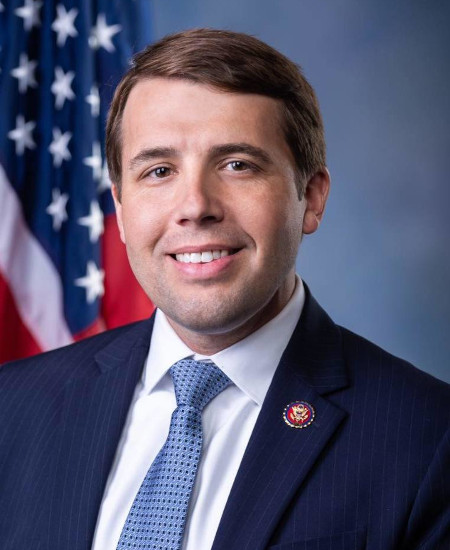
Rep. Chris Pappas
Sponsored bills
Maddy summaryThis bill extends dependency and indemnity compensation to surviving spouses of veterans who die from amyotrophic lateral sclerosis (ALS), treating ALS-related deaths as qualifying for benefits regardless of how long the veteran had the disease before death. It requires surviving spouses to have been married to the veteran for at least eight continuous years prior to death to qualify for compensation. The changes apply to veterans dying from ALS on or after October 1, 2025. Additionally, the bill requires the Veterans Affairs Secretary to submit a report within 180 days of enactment identifying other service-connected disabilities with high mortality rates that might warrant similar treatment.
Maddy summaryHRES 924 is a symbolic resolution recognizing December 2025 as "Impaired Driving Prevention Month" to raise public awareness about the dangers of drunk driving. It expresses House support for existing efforts like the Department of Transportation's "Drive Sober or Get Pulled Over" campaign and urges the public to plan sober rides home. The resolution does not create new laws or funding; it solely promotes awareness and existing prevention programs to reduce alcohol-impaired driving crashes, deaths, and injuries.
Maddy summaryThis bill extends federal funding for research on PFAS chemicals (often called "forever chemicals") until 2030, instead of ending in 2024. It directly affects the research programs authorized under the 2020 National Defense Authorization Act. The key change modifies the funding period in existing law to ensure continued support for studying PFAS contamination and health impacts through 2030.
Maddy summaryHR 6668, the Clean Water Standards for PFAS Act of 2025, establishes federal limits on PFAS chemicals in water. It requires the EPA to set water quality standards for PFAS by 2026 and create discharge limits for specific industries (like chemical manufacturing, electroplating, and landfills) by 2026-2028. The bill mandates immediate monitoring of PFAS discharges from these industries and public treatment plants, and funds $200 million annually (2026-2030) to help treatment works address PFAS contamination. It also requires the EPA to adopt a new testing method for PFAS by January 2026.
Maddy summaryHJRES 144 is a congressional disapproval resolution targeting a specific rule issued by the Department of Veterans Affairs (VA) on December 31, 2025, which addressed "Reproductive Health Services" (90 Fed. Reg. 61310). This resolution directs Congress to disapprove the VA rule under Chapter 8 of Title 5, U.S. Code, meaning the rule would have no legal effect if passed. The bill directly affects the VA's implementation of reproductive health services for veterans, as it seeks to nullify the agency's existing policy. This is a procedural measure, not a substantive policy change, aimed solely at blocking the VA's rule through congressional action.
Maddy summaryThis bill creates a HUD grant program to help developers offset state and local taxes and infrastructure fees for new housing projects. Developers must secure commitments from local governments to reduce property taxes by at least 50% on qualifying projects to qualify. Priority is given to projects increasing affordable housing, located near transit or job centers, using infill sites, or targeting workforce/senior housing needs. The program allocates $300 million annually (2027-2031) to cover up to 50% of eligible costs or $150,000 per developer, with grants lasting up to five years.
Maddy summaryThe Gulf War Survivor Benefits Update Act of 2025 would extend the deadline for surviving spouses of Persian Gulf War veterans to apply for certain VA benefits. It changes the current cutoff date (January 1, 2001) to ten years and one day after the Persian Gulf War ended, as defined by presidential proclamation or law. This extension would allow more surviving spouses to qualify for benefits they previously missed due to the old deadline. The bill directly affects surviving spouses of veterans who served in the Persian Gulf War and were ineligible under the prior cutoff.
Maddy summaryThe Veteran Suicide Prevention Act requires the Department of Veterans Affairs (VA) to conduct a comprehensive review of all veterans who died by suicide during the five years before the bill's enactment. The review must analyze demographics, medication history (including black box warnings and psychotropic drugs), prescribing patterns, combat trauma, and facility-specific suicide rates. The VA must submit a public report to Congress within 30 days of completing the review, detailing findings and recommendations to improve veteran safety. This applies to all veterans who received VA care during the relevant five-year period. The law aims to identify systemic patterns and inform future suicide prevention efforts.
Maddy summaryThis bill removes expiration dates for burial benefits for spouses and children who predeceased active-duty service members, making these benefits permanent. It updates transportation allowances for veterans' burials to automatically adjust annually based on inflation (using the Consumer Price Index), and allows the VA to cover actual transportation costs exceeding the allowance for veterans dying outside their home state. The bill also introduces optional group headstones/markers for multiple veterans buried together, replacing individual markers for new burials at shared locations, while preserving existing individual markers. Finally, it expands burial eligibility to include veterans with shorter service terms (meeting minimum requirements) and their families, and allows spouses/children of deceased veterans to be buried in VA cemeteries.