

Maddy summaryThe BITCOIN Act of 2025 directs the U.S. Treasury to establish a "Strategic Bitcoin Reserve" for securely storing government-held Bitcoin. It mandates purchasing 1,000,000 Bitcoins over five years (200,000 annually), requiring all acquired Bitcoin - including through federal agency transfers or forfeitures - to be held in this reserve for a minimum of 20 years without sale. The bill also requires the Treasury to manage digital assets from Bitcoin forks or airdrops for five years before potentially selling non-dominant assets, while implementing strict security protocols and quarterly public transparency reports. Funding for the purchase program will come from Federal Reserve remittances and gold certificate adjustments, with no impact on private citizens' Bitcoin ownership rights under Section 10.
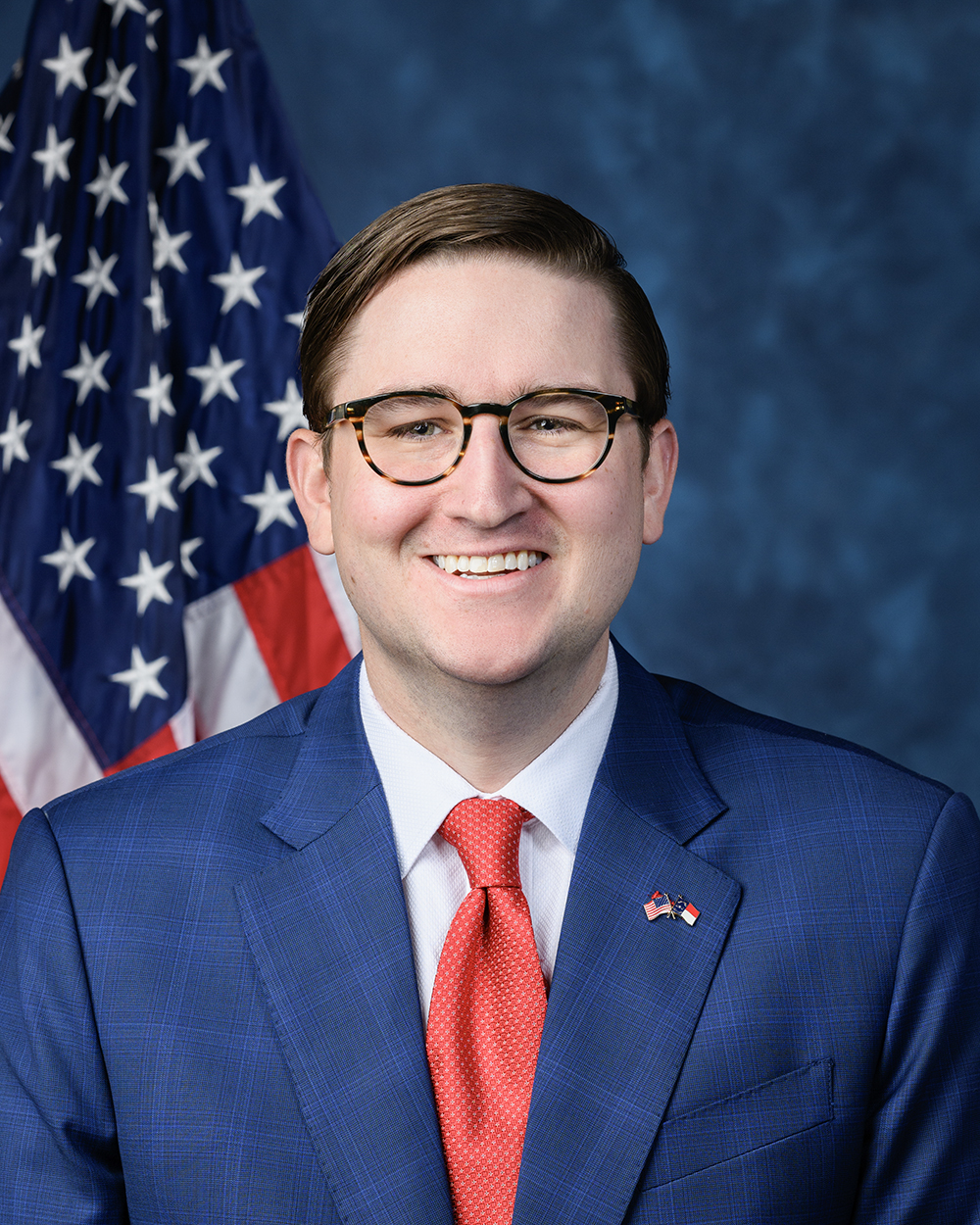
Rep. Addison P. McDowell
Sponsored bills
Maddy summaryHR 471, the Fix Our Forests Act, establishes a new system for identifying and managing high-risk wildfire areas called "firesheds" and creates a centralized Fireshed Center to coordinate wildfire risk management across federal agencies. The bill streamlines environmental reviews for wildfire risk reduction projects, allowing for faster implementation of hazardous fuels management activities in designated areas. It includes provisions for community wildfire risk reduction programs, water source protection, and specific initiatives for restoring white oak forests. The legislation also includes litigation reforms to expedite forest management projects and reduce delays from legal challenges. These provisions aim to reduce wildfire risk and improve forest health through more coordinated, data-driven management approaches.
Maddy summaryHR 1879, the "No Tax Breaks for Sanctuary Cities Act," denies tax-exempt status for bonds issued by jurisdictions classified as "sanctuary jurisdictions." A sanctuary jurisdiction is defined as a city or state that either restricts sharing immigration status information with federal authorities or fails to comply with federal detainer requests under immigration law. The bill requires the Treasury Secretary to publish an annual list of such jurisdictions within 180 days of enactment. This policy directly affects local governments meeting the definition by removing a key funding tool - tax-exempt municipal bonds - used for public projects like schools or infrastructure. The law applies to bonds issued after enactment and does not alter existing sanctuary policies themselves.
Maddy summaryHRES 153 is a ceremonial resolution expressing condolences to the families and loved ones of the 67 victims who died in two aviation incidents: American Eagle Flight 5342 and U.S. Army flight PAT 25, which crashed near Washington, D.C.'s Reagan National Airport on January 29, 2025. It specifically honors the victims - many connected to Wichita, Kansas (known as the "Air Capital of the World") - and extends sympathies to affected communities including Wichita, Kansas, and the National Capital Region. The resolution also commends first responders who aided in the recovery efforts. As a non-binding expression of sympathy with no policy changes, it does not affect laws or regulations.
Federal Firearms Licensee Protection Act of 2025 This bill modifies criminal penalties for an offense involving the theft of a firearm from a licensed importer, manufacturer, or dealer, or from their business premises. Specifically, the bill does the following: increases from 10 to 20 years the maximum prison term, and creates a 3- or 5-year mandatory minimum prison term for an offense that occurs during the commission of a burglary or robbery. An attempt to commit an offense is subject to the same penalties as a substantive offense.
Maddy summaryThe PLUS for Veterans Act of 2025 regulates how agents and attorneys can represent veterans in claims for benefits with the Department of Veterans Affairs. It establishes new requirements for these representatives, including application processes, conditional recognition periods while verification occurs, and caps on fees (limiting them to $12,500 or 5 times the monthly benefit increase). The bill reinstates penalties for unauthorized fee charging, including fines up to $50,000 and bars from representation for repeat violations. This legislation directly affects veterans seeking benefits, their representatives, and the Department of Veterans Affairs in handling claims. The bill also preempts state laws that conflict with these new federal regulations.
Maddy summaryThis bill extends the exclusivity period for certain advanced drugs from 7 to 11 years. It defines "advanced drug product" as a drug using genetically targeted technology to modulate gene function (e.g., suppress or activate genes). This change directly affects pharmaceutical companies developing these specific advanced therapies by granting them longer market exclusivity. The policy change modifies the Social Security Act to provide extended protection for these innovative drugs, allowing companies more time to recoup research and development costs.
Maddy summaryHR 1659, the Truck Parking Safety Improvement Act, creates a federal grant program to address commercial truck parking shortages on highways. It authorizes $151 million annually (2025-2029) for states, local governments, tribes, and other eligible entities to build or improve public parking facilities for commercial motor vehicles. Projects must be on or near highways, include safety features, and provide free, publicly accessible parking - prohibiting fees for drivers. The bill also requires annual reports to Congress evaluating parking availability and project effectiveness.
Maddy summaryHR 1651 would nullify a specific Environmental Protection Agency (EPA) rule finalized on May 9, 2024. This rule established emissions standards for greenhouse gases from new, modified, and reconstructed fossil fuel power plants, set guidelines for existing plants, and repealed the previous "Affordable Clean Energy Rule." The bill would make this EPA rule unenforceable, directly affecting fossil fuel power plants by removing these federal emissions requirements. It does not create new regulations but cancels an existing EPA rule.
Maddy summaryH.Res. 167 establishes uniform rules for flag displays in House of Representatives facilities, including office buildings, leadership offices, and committee spaces, but excludes personal offices of Members. It permits only the U.S. flag, House flags, a Member’s state flag next to their office, military service flags, the POW/MIA flag, and flags of visiting foreign dignitaries during official visits. The House Administration Committee and Sergeant of Arms will oversee implementation, requiring compliance within 30 days of enactment.