

Maddy summaryThis bill, the Budgeting for a Better America Act, fundamentally changes how the federal government plans its spending by shifting the congressional budget process from an annual cycle to a biennial one, covering two consecutive fiscal years. It establishes a new National Commission on Fiscal Responsibility and Reform composed of 18 members from both political parties to propose specific policies that would reduce the federal deficit to 3% of the gross domestic product within a decade. The legislation also mandates that any joint resolution implementing the commission's recommendations be given expedited floor consideration in both the House and Senate without the possibility of amendment. Additionally, the bill requires the President to submit supplemental budget estimates annually, mandates a hearing on the nation's fiscal state, and ensures new members of Congress receive budgetary training before taking their seats.
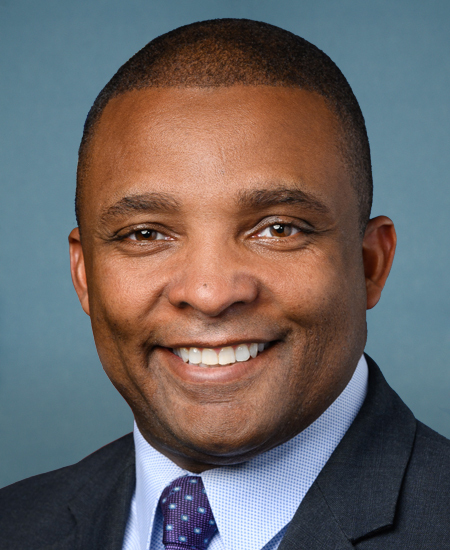
Rep. Donald G. Davis
Sponsored bills
Maddy summaryThis bill redesignates the existing National Parks and Public Land Legacy Restoration Fund as the America's Legacy Restoration Fund to address deferred maintenance on federal lands. It directs revenue from recreation fees and a portion of energy development income into the fund, which must be used primarily for repairing critical infrastructure like roads, trails, and buildings managed by agencies such as the National Park Service and the Forest Service. The legislation establishes strict rules requiring that most funds go toward non-transportation projects, mandates transparency through public dashboards tracking project status, and sets aside a small percentage for matching private donations. Additionally, the bill increases entrance fees for foreign visitors to ensure they contribute to the fund, while prohibiting the use of these specific funds for land acquisition or employee bonuses.
Maddy summaryThe Disaster Loan Accountability and Reform Act (DLARA) requires the Small Business Administration (SBA) to improve transparency and accountability for disaster loans. It mandates monthly reports detailing loan funding status, new budget requests with historical cost comparisons, and strict limits on loan obligations when funds fall below 10% of a 10-year average. The bill also requires GAO and SBA Inspector General reviews of funding shortfalls, cost impacts of recent policy changes, and enhanced forecasting for disaster loan budgets. These provisions directly affect the SBA’s operations and its reporting to Congress, aiming to prevent future funding crises through better data and oversight.
Maddy summaryThis resolution condemns the Lebanese group Hezbollah for repeatedly breaking ceasefire agreements by launching attacks against Israel and calls on the Lebanese government to stop these attacks and disarm Hezbollah forces in the South Litani Sector. It highlights specific incidents where Hezbollah violated terms set in 2024 and 2026, including the use of rockets and drones that endangered civilians and undermined Lebanese sovereignty. The measure also supports direct negotiations between Israel and Lebanon to resolve their conflict while rejecting outside interference from Iran or Hezbollah in Lebanon's internal affairs.
Maddy summaryThis bill creates a new process to identify military veterans who served at specific Nevada test sites and other facilities linked to toxic exposure, removing the requirement for them to provide proof of contact with harmful substances. It officially classifies service in these areas as involving radiation risks and establishes a legal presumption that veterans who worked there are eligible for disability benefits related to certain diseases without needing to prove a direct link between their illness and the environment. To support these changes, the legislation mandates the creation of a registry to track affected service members and funds a scientific study to better understand the health impacts of toxic exposures at these locations.
Maddy summaryThis bill directs federal agencies to prioritize the construction of public buildings using domestically sourced mass timber products. It requires the General Services Administration and the Department of Defense to give preference to wood harvested from U.S. forests and produced at facilities located within the country. The legislation further mandates that these wood products come from responsibly managed sources, such as forests undergoing restoration or those managed to prevent wildfires, while also supporting underserved forest owners. Additionally, the bill requires an independent lifecycle assessment of these new buildings to evaluate their environmental impact and a subsequent report to be submitted to Congress.
Maddy summaryThe No American Left Behind Act directs the Department of Defense to submit a detailed report to Congress within 180 days regarding its efforts to recover, repatriate, and account for U.S. citizens who are held hostage, unlawfully detained, or missing abroad. This report must specifically cover cases in regions like Syria, Iraq, and Afghanistan and analyze how military planning, intelligence, and diplomatic strategies influence these recovery operations. The legislation requires the Secretary of Defense to assess current policies, identify gaps in authority or resources, and evaluate the feasibility of creating a formal "No American Left Behind" doctrine to guide future efforts. Ultimately, the bill aims to ensure that considerations for the safety and return of American nationals are integrated into core defense planning and contingency operations.
Maddy summaryThe No Equipment Left Behind Act of 2026 requires the Department of Defense to submit detailed reports to Congress within 60 days of any significant troop withdrawal or redeployment in designated areas. These reports must include comprehensive inventories of military equipment, cost estimates for disposal options like selling or destroying items, and specific plans to prevent captured gear from being used by hostile groups. The law also mandates that the Secretary of Defense obtain written approval from senior leadership for any decision to abandon, destroy, or demilitarize equipment valued over $10 million. Additionally, the bill establishes annual reporting requirements and tasks the Government Accountability Office with reviewing how the department implements these new accountability measures.
Maddy summaryHR 5408, the Faster Labor Contracts Act, requires employers to begin negotiating a first contract with a newly certified union within 10 days of written request. If no agreement is reached within 90 days, the parties must seek mediation, and if unresolved after 30 days of mediation, the dispute moves to binding arbitration by a three-member panel. The arbitration decision, based on factors like employer finances, industry standards, and cost of living, becomes binding for two years. This bill directly affects newly certified unions and their employers during initial contract negotiations, aiming to reduce delays that currently average 465 days.
Maddy summaryThis bill establishes a bipartisan Commission on Long-Term Social Security Solvency to study and propose solutions for ensuring the financial stability of Social Security for at least 75 years. The 13-member commission includes appointments from the President, congressional leaders, and committee chairs, with at least half of the congressional appointees required to be non-political experts. After holding public hearings and gathering data, the commission must submit a report with specific legislative recommendations, which Congress is then required to expedite and vote on without amendments. The commission is authorized up to $2 million in funding and will dissolve shortly after submitting its final report.