Repealing Big Brother Overreach Act This bill repeals the Corporate Transparency Act. The act requires existing companies and newly created companies to report beneficial ownership information to the Department of the Treasury’s Financial Crimes Enforcement Network for purposes of addressing the financing of terrorism and money laundering.
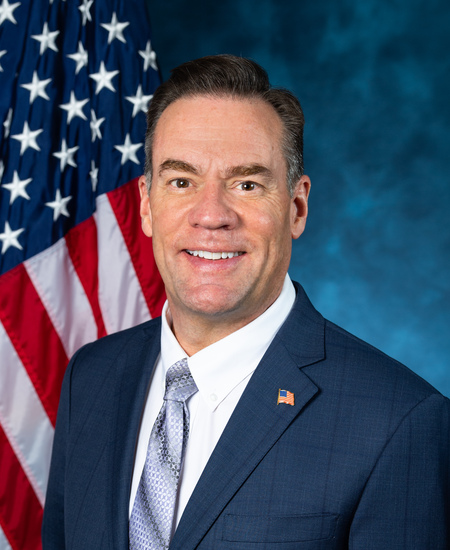
Rep. Russ Fulcher
Sponsored bills
Maddy summaryThis bill, known as the Stopping Harmful and Outrageous Torts Act, expands legal protections for firearm manufacturers and sellers by strengthening their immunity from civil lawsuits. It requires courts to immediately dismiss any pending cases against these companies that are based on the criminal or unlawful misuse of a gun by a third party, while also clarifying that sellers are not liable for negligence in entrusting products to others. The legislation further restricts who can file such suits by prohibiting foreign governments from bringing these claims and adding a specific exception for victims under the age of 17, though it maintains immunity for cases involving design or manufacturing defects. Additionally, the bill allows companies to move these cases to federal court and grants them the right to appeal dismissal orders immediately, along with the ability to recover legal fees if they win. Finally, it preempts state and local laws that attempt to impose liability on these entities for the same types of misuse-related harms.
Maddy summaryThis bill requires the Federal Energy Regulatory Commission (FERC) to submit annual reports to Congress about pending hydropower license applications. Specifically, FERC must report on licenses where licensees notified them at least 3 years prior but haven't received new licenses yet, including details like notification dates, docket numbers, application status, and upcoming proceedings. The reports aim to increase transparency in the relicensing process for existing hydropower facilities. This directly affects FERC (which must provide the reports) and Congress (which receives them), with no direct impact on hydropower operators or the licensing outcome itself.
Maddy summaryHR 6230, the Tehran Incitement to Violence Act, requires the U.S. Secretary of State to annually determine whether 18 specific Iranian religious and political figures or entities - such as clerics who issued fatwas calling for violence against U.S. President Trump and Israeli PM Netanyahu, and institutions like the Qom Seminary - meet criteria for sanctions under existing U.S. authorities. The bill mandates these determinations every 180 days for up to six years, using established frameworks like Executive Order 13224 (blocking property of terrorism supporters). It directly affects the named individuals and organizations by subjecting them to potential U.S. sanctions if found to meet the criteria. The legislation focuses on formalizing the process for designating these entities under current sanction regimes, without altering existing penalties or making new policy changes.
Maddy summaryThe Local Data for Better Conservation Act requires the federal government to include data collected by states when deciding whether to list or remove species from the endangered species list. This change directly impacts state agencies and conservationists who gather information about local wildlife populations. By mandating the integration of state-collected data, the bill aims to ensure that federal decisions are based on a more comprehensive set of regional observations. The legislation does not alter the overall process for listing species but modifies how evidence is considered during those determinations.
Maddy summaryThe No Safe Haven for Terrorist Families Act expands U.S. immigration rules to bar close relatives of designated terrorists, senior officials of hostile foreign governments, and sanctioned corrupt leaders from entering or remaining in the country. It defines these "covered family members" to include spouses, children, parents, siblings, grandparents, grandchildren, and nieces or nephews of the listed threat actors, applying the ban retroactively to existing relationships. The bill mandates that visas issued to these individuals be revoked and that they face deportation without eligibility for most forms of legal relief, such as cancellation of removal. To enforce these measures, government agencies must implement new screening procedures within 180 days and submit annual reports detailing the number of inadmissibility determinations, visa revocations, and removals.
Maddy summaryThis bill, known as the Preventing International Surrogacy Exploitation Act, aims to stop foreign nationals from using U.S. surrogate mothers for commercial surrogacy arrangements. It would make any surrogacy contract void and unenforceable if the intended parents are foreign citizens or permanent residents, with a specific exception for married couples where at least one partner is a U.S. citizen or resident. Additionally, the law prohibits surrogacy brokers from facilitating these agreements and imposes criminal penalties, including fines and up to 10 years in prison, for those who knowingly or recklessly assist in such contracts. Children born through these invalid agreements would have their custody determined by the state where the surrogate lives, focusing on the child's best interests rather than the contract. Finally, the bill prevents foreign parents from using their U.S.-born children to gain immigration benefits or rights under U.S. immigration laws.

Maddy summaryThe Merit Restoration Act prohibits federal research agencies and grant recipients from using specific diversity, equity, and inclusion practices in their work. This law targets requirements that mandate employees or researchers sign statements or complete training asserting that certain races, sexes, or national origins are inherently superior or inferior. If a recipient is found to have violated these rules, the agency must freeze their funding and may require them to repay any money used during the violation. The restrictions apply to grants awarded on or after the bill becomes law, affecting scientific and medical research funded by the federal government.
Maddy summaryThis bill, known as the State Emissions Authority Act of 2026, modifies the Clean Air Act to reduce federal mandates on vehicle inspection and maintenance programs. It primarily affects state governments by removing requirements for them to maintain specific inspection schedules and by limiting the federal government's ability to credit states for emissions reductions achieved through these programs. Additionally, the legislation adjusts rules regarding how states must report their environmental plans and clarifies compliance standards for federal vehicles and installations. By striking several existing sections of the law, the bill effectively shifts more authority over vehicle inspection policies from the federal level to the states.
Maddy summaryHR 1041, the Veterans 2nd Amendment Protection Act, prevents the Department of Veterans Affairs (VA) from automatically sending veterans' personal information to the national background check system (NICS) solely because a court has appointed a fiduciary (like a guardian) to manage their benefits. This directly affects veterans who have a fiduciary appointed due to mental health or cognitive challenges but are not deemed a danger to themselves or others. The bill requires a court order finding the veteran poses a danger before any such information can be shared with the NICS. It changes VA procedures to block unnecessary barriers to firearm ownership for veterans who qualify for fiduciary support without a judicial determination of danger.