

Big Cat Public Safety Act This bill revises restrictions on the possession, exhibition, or breeding of big cats (i.e., species of lion, tiger, leopard, cheetah, jaguar, or cougar or any hybrid of such species). For example, the bill permits wildlife sanctuaries to allow direct contact between the public and big cats.
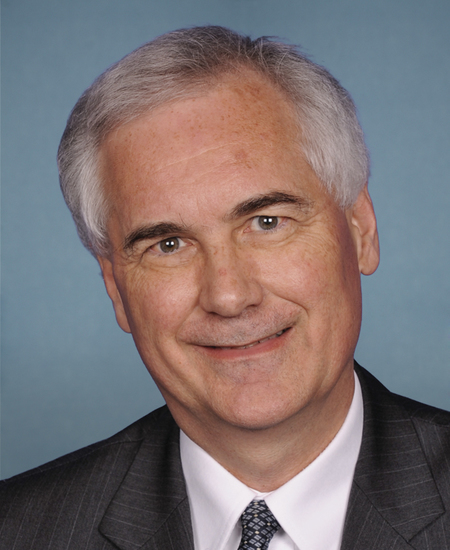
Rep. Tom McClintock
Sponsored bills
This resolution expresses gratitude to the scientific, medical, and pharmaceutical community for its efforts to end the COVID-19 (i.e., coronavirus disease 2019) pandemic.
This resolution requests that the President transmit to the House of Representatives documents related to the amount of funding that was provided in specified laws regarding COVID-19 (i.e., coronavirus disease 2019) and is currently unspent. The specified laws include the Coronavirus Preparedness and Response Supplemental Appropriations Act, 2020; the Families First Coronavirus Response Act; the Coronavirus Aid, Relief, and Economic Security Act (CARES Act); the Paycheck Protection Program and Health Care Enhancement Act; and Division N of the Consolidated Appropriations Act, 2021.
Recreational Lands Self-Defense Act of 2021 This bill requires the U.S. Army Corps of Engineers to allow an individual to possess a firearm at a Corps water resources development project as long as the individual's possession of the firearm is in compliance with the law of the state in which the project is located.
No taxpayer funding for United Nations Human Rights Council Act This bill prohibits the Department of State from making contributions to the United Nations Human Rights Council, either as a percentage of the U.S. contribution to the regular budget of the United Nations or as a voluntary contribution to the council.
Designates the facility of the United States Postal Service located at 24930 Washington Avenue in Murrieta, California, as the "Riverside County Iraq and Afghanistan Veterans Memorial Post Office."
Reopen Schools Act This bill requires a local educational agency (LEA) to reopen its elementary and secondary schools as a condition for receiving certain supplemental education emergency relief funding. Specifically, an LEA must provide in-person instruction to at least 50% of its students in order to receive the full funding. An LEA that provides in-person instruction to at least some of its students shall have its funding reduced on a pro rata basis.
Protecting Americans from Unnecessary Spread upon Entry from COVID-19 Act of 2021 or the PAUSE Act of 2021 This bill maintains immigration restrictions put in place under public health emergency authorities to prevent the introduction of COVID-19 (i.e., coronavirus disease 2019) from foreign countries. Specifically, the bill prohibits the Department of Health and Human Services from rescinding or reducing the stringency of the restrictions. It also prohibits the Department of Homeland Security from stopping or reducing enforcement of the restrictions. These prohibitions remain in effect until (1) federal and state COVID-19 emergency orders are lifted, and (2) the risk of introducing COVID-19 in or from Canada and Mexico is minimal.
Protecting Life in Crisis Act This bill specifies that federal funds allocated for COVID-19 (i.e., coronavirus disease 2019) response efforts may not, in general, be used for abortions. Current law generally prohibits the use of federal funds for abortions through language included in appropriations bills, such as the Hyde Amendment. The bill also restricts the use of federal tax credits or other federal funding for health insurance coverage if the coverage includes abortions.
Cost Estimates Improvement Act This bill requires cost estimates prepared by the Congressional Budget Office or the Joint Committee on Taxation to include (1) the cost of servicing the public debt; and (2) a list of any federal agencies, programs, and initiatives with fragmented, overlapping, or duplicative goals or activities covered by the legislation.