

Enhanced Iran Sanctions Act of 2025 This bill imposes sanctions on certain foreign persons (individuals and entities) that are involved in Iran's petroleum sector as well as certain associated persons. The bill also requires or authorizes actions to facilitate the enforcement of sanctions on Iran. Specifically, the bill requires the President to impose visa- and property-blocking sanctions on any foreign person that, after the bill's enactment, knowingly engages in any transaction related to the processing, export, or sale of oil, condensates, gas, liquefied natural gas, or other petrochemical products in whole or in part from Iran. The President must also impose sanctions on certain foreign persons associated with a sanctioned individual or entity. For example, the President must sanction the subsidiaries and corporate officers of a sanctioned business. The bill provides certain exceptions to these sanctions, including specifying that sanctions do not apply to the importation of goods or to conducting or facilitating transactions for humanitarian assistance. The Department of State must establish an interagency working group that shall seek to establish a multilateral contact group to coordinate international efforts to enforce sanctions on Iran. The bill expands the State Department rewards program to authorize a reward payment to any individual who furnishes information leading to the identification of a person (1) subject to sanctions under this bill, or (2) that has attempted or is attempting to evade sanctions under this bill.
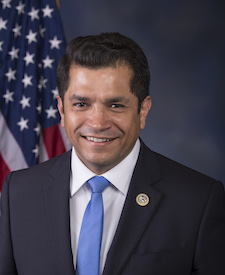
Rep. Jimmy Gomez
Sponsored bills
Maddy summaryThis bill, known as the Fair Wages for Home Care Workers Act, would change federal labor rules to require overtime pay and minimum wage protections for certain babysitters. It specifically targets casual babysitting work that is irregular or intermittent, while excluding trained medical professionals like nurses and home health aides from these changes. The law would also allow babysitters to perform up to 20% of their work time on unrelated household tasks without losing their protected status. These amendments would apply to workers covered by the Fair Labor Standards Act of 1938 who provide custodial care for infants or children in private homes.
Maddy summaryHR 7827 restricts the Department of Defense from purchasing or selling military-style assault weapons and certain high-capacity ammunition (like .223 Remington) in commercial markets. It imposes strict requirements on dealers selling firearms or ammunition, including mandatory NICS background checks, limits on high-volume sales, security measures (like surveillance systems), and electronic recordkeeping for transactions. Dealers must also meet crime trace limits (fewer than 24 crime guns traced annually) and implement training on recognizing straw purchases and preventing illegal sales. Government-owned weapons plants must annually report commercial sales data to Congress, including customer locations and revenue.
Maddy summaryThis bill, the PrEP Access and Coverage Act of 2026, requires most health insurance plans to cover HIV prevention medication without charging patients any out-of-pocket costs. It directly affects people with private insurance, government health programs like Medicare and Medicaid, military health care, and the Indian Health Service. The law mandates that insurance companies cannot require pre-approval for these medications, cannot charge deductibles or copayments for them, and cannot deny or charge higher premiums for life, disability, or long-term care insurance based on someone taking HIV prevention medication. The bill also creates a new public education campaign to increase awareness about HIV prevention options and provides federal funding to states and community organizations to expand access to these services.
Maddy summaryThis bill, the Supplemental Security Income Restoration Act of 2026, updates eligibility rules and benefit amounts for the Supplemental Security Income (SSI) program, which provides financial assistance to low-income elderly, blind, and disabled individuals. Key changes include raising income and resource limits to help more people qualify, adjusting benefit calculations to better reflect poverty guidelines, and extending the program to U.S. territories like Puerto Rico and Guam. The legislation also removes certain financial penalties, excludes retirement accounts and tribal welfare payments from eligibility calculations, and clarifies how state tax credits are treated when determining income.
Maddy summaryThis bill, known as the Direct File Act of 2026, would establish a government-run online system allowing taxpayers to prepare and file their individual income tax returns for free. The legislation prohibits the Treasury Department from entering into agreements that restrict its ability to provide tax preparation or filing services, and it voids any existing contracts with such restrictions. The program would use IRS data to simplify filing, include customer support, be available in multiple languages, and allow users to file even if they are not required to. It also enables taxpayers in participating states to file state and local returns alongside their federal returns, with funding provided to states that meet certain standards.
Maddy summaryThe DISCLOSE Act of 2026 aims to increase transparency in election spending and prevent foreign influence. It expands the ban on foreign money to cover federal, state, and local elections, including ballot initiatives and judicial nominations, and criminalizes using corporations to conceal these funds. The bill mandates that organizations spending over $10,000 on campaign-related activities, such as independent expenditures or judicial nomination advocacy, disclose their beneficial owners and top donors. Additionally, it establishes new "Stand By Every Ad" disclaimers for political communications, requiring the highest-ranking official to approve the message and, for certain ads, list their top funders. These provisions directly affect non-candidate organizations, individuals involved in political and judicial nomination spending, and foreign nationals.
Maddy summaryThis bill reauthorizes and modernizes Trade Adjustment Assistance programs to help workers, firms, communities, and farmers affected by trade-related job losses. It extends program funding through 2033 and expands eligibility to include teleworkers, staffed workers, and public agency employees. Key provisions increase financial benefits, add new allowances for childcare and job search, require inflation adjustments to benefit amounts, and establish new outreach requirements to ensure underserved communities receive adequate support. The legislation also creates a new community assistance program providing grants for strategic economic development planning and expands technical assistance for businesses seeking adjustment support.
Maddy summaryHRES 1097 is a procedural resolution requesting federal agencies to provide specific documents to the House of Representatives. It directs the Treasury and Homeland Security Secretaries to share records about how they implement an existing agreement (the "Memorandum of Understanding") for sharing taxpayer information related to non-tax criminal enforcement. The resolution specifically asks for documents concerning access to IRS systems containing taxpayer data, policies for handling such information, and any violations of privacy rules. This request does not create new law but seeks transparency about current agency practices involving sensitive taxpayer information.
Maddy summaryHRES 1078 is a procedural resolution requesting the President and Health and Human Services (HHS) Secretary to provide specific documents to the House of Representatives. It seeks records related to the December 2025 "Defend the Spend" freeze on child care funding, including communications about the freeze, payment delays, social media posts alleging fraud, and related legal analyses. The resolution specifically targets documents concerning the freeze's impact on States, Tribes, and Territories receiving child care funds under federal programs. The request requires these documents to be submitted within 14 days of the resolution's adoption. This is a congressional oversight measure, not a policy change, focused on transparency around an existing funding freeze.