Maddy summaryHR 212, the Capitol Remembrance Act, requires the Architect of the Capitol to create a permanent exhibit in the U.S. Capitol within two years of the bill's enactment. The exhibit must include preserved Capitol property damaged during the January 6, 2021, attack, photographic records of the event, and a plaque honoring Capitol Police, other law enforcement, and Capitol staff who were injured or died protecting the building. It also allows for the inclusion of relevant artwork depicting the attack. This bill directly affects Capitol visitors and staff by establishing a permanent memorial to the events of January 6.
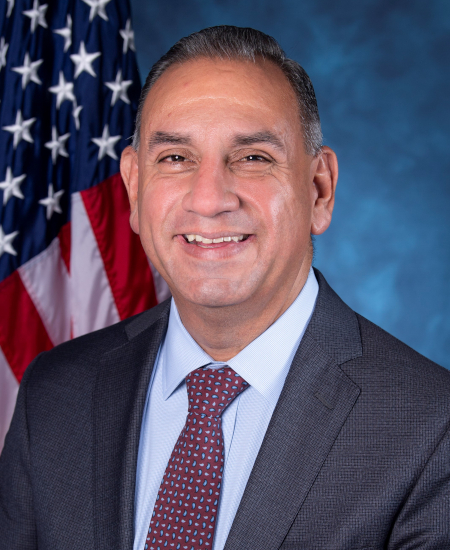
Rep. Gilbert Ray Cisneros, Jr.
Sponsored bills
Washington, D.C. Admission Act This bill provides for the establishment of the State of Washington, Douglass Commonwealth, and its admission into the United States. The state is composed of most of the territory of the District of Columbia (DC), excluding a specified area that encompasses the U.S. Capitol, the White House, the U.S. Supreme Court building, federal monuments, and federal office buildings adjacent to the National Mall and the U.S. Capitol. The excluded territory shall be known as the Capital and serve as the seat of the government of the United States, as provided for in Article I of the Constitution. The state may not impose taxes on federal property except as Congress permits. The bill provides for the DC Mayor to issue a proclamation for the first elections to Congress of two Senators and one Representative of the state. The bill eliminates the office of Delegate to the House of Representatives. The bill applies current DC laws to the state. DC judicial proceedings and contractual obligations shall continue under the state’s authority. The bill also provides for specified federal obligations to transfer to the state upon its certification that it has funds and laws in place to assume the obligations. These include maintaining a retirement fund for judges and operating public defender services. The bill establishes a commission that is generally comprised of members who are appointed by DC and federal government officials to advise on an orderly transition to statehood.

Maddy summaryThis bill amends federal law to establish "Election Day" as an official federal holiday, adding it to the list of recognized holidays for federal employees. It directly affects federal workers by designating Election Day (the Tuesday following the first Monday in November) as a day when federal offices close. The key mechanism is a simple insertion into the existing list of federal holidays under Title 5 of the U.S. Code. This change does not alter voting procedures or create new voting requirements.
Maddy summaryHR 138, the Lowering Costs for Caregivers Act of 2025, expands tax-advantaged health savings by allowing taxpayers to use funds in Health Savings Accounts (HSAs), Flexible Spending Accounts (FSAs), and Health Reimbursement Arrangements (HRAs) to cover medical expenses for their parents, not just their spouse. The bill amends the Internal Revenue Code to explicitly include parents as eligible dependents under these accounts, removing prior restrictions. This change directly affects caregivers - primarily adult children supporting aging parents - who will now have greater flexibility to use pre-tax funds for their parents' medical care. The provisions apply to expenses incurred after December 31, 2024, and aim to reduce out-of-pocket costs for family caregivers.