

Maddy summaryHRES 297 is a non-binding resolution expressing the House of Representatives' support for fair compensation, benefits, and working conditions for paraprofessionals (like instructional assistants) and education support staff (including bus drivers, cafeteria workers, and clerical staff) in schools. It specifically calls for livable wages, job security, access to affordable health care, paid leave, and meaningful input in school policies for these workers. As a resolution, it does not create new laws or mandate changes but serves as a symbolic statement highlighting these workers' needs. The resolution directly addresses the concerns of over 3 million school support staff facing issues like underpayment, lack of benefits, and job instability.
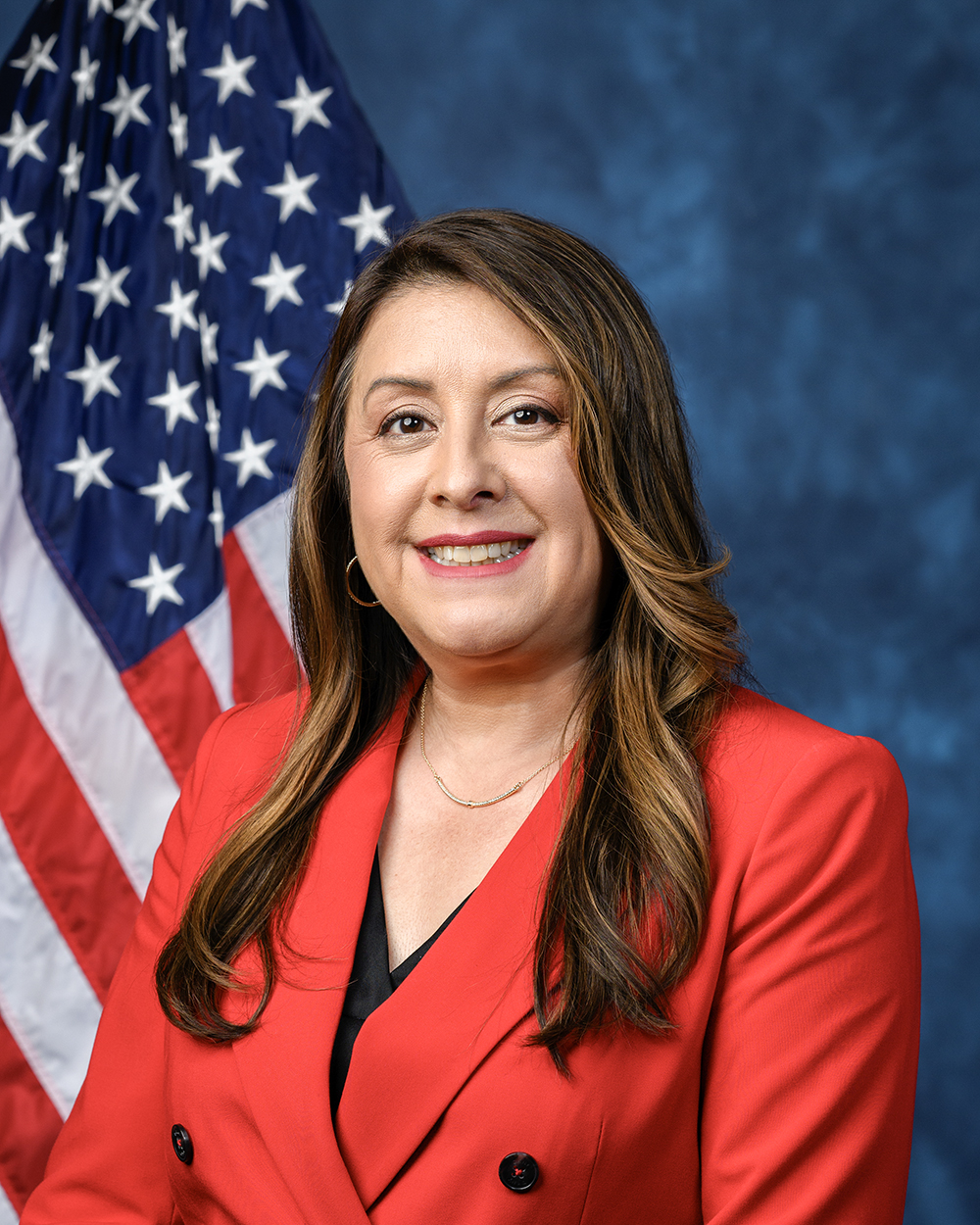
Rep. Luz M. Rivas
Sponsored bills
Maddy summaryThis is a ceremonial resolution (HRES 296) passed by the U.S. House of Representatives to formally congratulate the Los Angeles Dodgers on winning the 2024 Major League Baseball World Series. It recognizes the team's championship victory, playoff achievements, and key players like Freddie Freeman (World Series MVP) and Shohei Ohtani, while directing the House Clerk to send a copy to Dodgers leadership including owner Mark Walter, president Stan Kasten, and manager Dave Roberts. The resolution has no policy impact - it is purely a symbolic gesture with no legal or financial effect on any individuals or entities.
Maddy summaryThe IDEA Full Funding Act (HR 2598) mandates specific annual federal funding levels for the Individuals with Disabilities Education Act (IDEA), directly affecting schools and students with disabilities nationwide. It requires the federal government to appropriate either a fixed dollar amount or a specified percentage (increasing annually from 4.5% to 40%) of a calculated total - based on the number of eligible students and average per-pupil costs - starting in fiscal year 2026 through 2035. The bill sets clear, escalating funding targets, with the higher of two calculated amounts (dollar figure or percentage) becoming available for obligation each fiscal year. This establishes a binding financial commitment to address long-standing underfunding of special education services under IDEA.
Maddy summaryHR 2585, the Armenian Genocide Education Act, establishes a federal program through the Library of Congress to develop educational resources about the 1915-1923 Armenian Genocide for K-12 schools. It requires the Librarian to create and distribute accurate teaching materials, provide teacher training workshops, and maintain an online resource hub focused on the genocide's history, lessons, and prevention of hate. The program directly supports local educational agencies, independent schools, and educators by offering professional development and curriculum resources. It defines key terms like "denial" and "distortion" to guide the educational content, aiming to improve understanding of this historical event and its relevance to preventing modern-day hate crimes.
Maddy summaryThis resolution (HRES 271) is a symbolic House of Representatives measure honoring César Estrada Chávez, a civil rights leader who co-founded the United Farm Workers and advocated for farmworkers' rights through nonviolent action. It recognizes his life, legacy, and the "¡Sí se puede!" (Yes, we can!) slogan, referencing his work on fair wages, safe conditions, and the 1975 California Agricultural Labor Relations Act. The resolution encourages the public to commemorate his legacy through service and education, consistent with existing state observances of his birthday (March 31) in multiple states. It has no legal effect or policy changes, as it is purely commemorative.
Maddy summaryHRES 261 is a symbolic resolution recognizing the heritage, culture, and contributions of Latinas in the United States. It celebrates Latinas' historical and ongoing roles in fields like business, military service, science, arts, and public office, while acknowledging persistent challenges like wage gaps and systemic barriers. The resolution specifically highlights that Latinas make up approximately 1 in 6 U.S. women (31 million people) and emphasizes their economic impact (contributing $1.3 billion to GDP in 2021) and cultural achievements. It does not create new policies or allocate funds but formally honors these contributions and calls for continued efforts to address inequities. This resolution directly affects Latinas as a recognized demographic group within U.S. society.
Maddy summaryThe Paycheck Fairness Act strengthens equal pay protections by expanding the definition of "sex" to include pregnancy, childbirth, sexual orientation, gender identity, and sex characteristics. It modifies employer defenses for pay disparities to require proof that any pay difference is job-related, not based on sex, and accounts for the entire pay gap. The bill prohibits employers from asking about salary history, enhances penalties for violations, and requires employers with 100+ employees to collect and report detailed pay data by race, sex, and job category. It also establishes training programs for employers on eliminating pay bias and creates a National Equal Pay Enforcement Task Force to coordinate enforcement efforts. This legislation directly affects employers, particularly those with 100+ employees, and aims to address pay disparities impacting women, people of color, and other underrepresented groups.
Maddy summaryH.J. Res. 80 would declare the Equal Rights Amendment (ERA) part of the U.S. Constitution, asserting it has been ratified by 38 states (three-fourths of the states) despite the original 1972 deadline. If passed, this resolution would formally establish the ERA as a constitutional amendment, requiring all federal and state laws to align with its gender equality protections. The bill does not create new laws but confirms the ERA's status as part of the Constitution, affecting how laws are interpreted and enforced. It is a procedural step to resolve the legal dispute over the ERA's validity after decades of debate.
Maddy summaryHR 2207, the Saving DOE’s Workforce Act, prohibits the Department of Energy from implementing layoffs or involuntary separations of employees until after Congress enacts full fiscal year 2026 funding. It specifically protects federal workers in competitive service positions, career roles in excepted service, and senior executive leadership roles. The bill allows separations only for documented misconduct, inefficiency, or delinquency following standard disciplinary procedures, without affecting existing personnel authority.
Maddy summaryThis bill prohibits the National Science Foundation (NSF) from implementing layoffs or involuntary employee separations until after full-year funding for fiscal year 2026 is secured. It directly affects NSF employees in competitive service, excepted service, and the Senior Executive Service by blocking workforce reductions. The key provision creates a temporary moratorium on layoffs, with exceptions only for separations due to misconduct, inefficiency, or delinquency. This applies until Congress enacts the full FY2026 budget, adding a specific timeline to existing federal personnel rules.