

Maddy summaryThe PART Act requires new vehicles to have catalytic converters marked with a unique identification number that links directly to the vehicle's identification number, stored in a law enforcement-accessible database. It establishes a $7 million grant program to help repair shops, dealers, law enforcement, and fleet owners purchase equipment for marking converters with visible, durable identifiers (using die or pin stamping and high-visibility paint). The bill also mandates that businesses buying catalytic converters keep detailed seller records (including vehicle information) for two years and use traceable payments, banning cash or cryptocurrency transactions. Additionally, it creates new federal criminal penalties for stealing or trafficking in catalytic converters, with potential sentences of up to five years in prison.
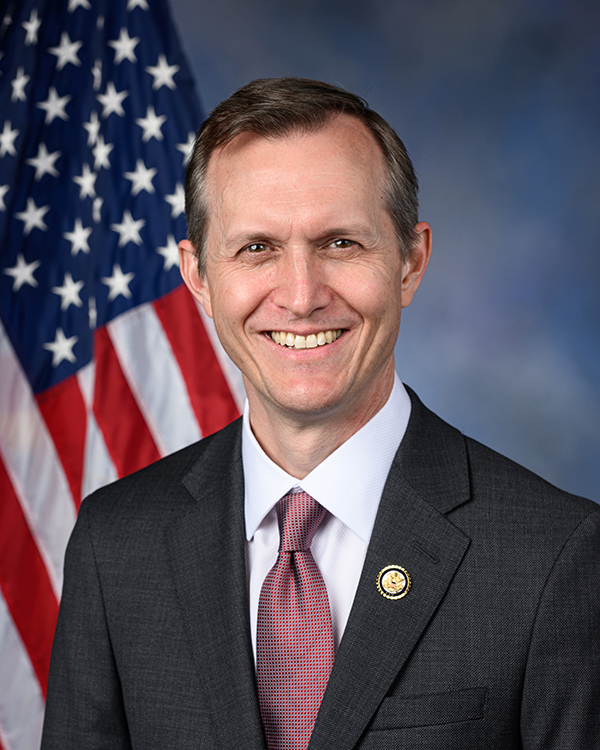
Rep. George Whitesides
Sponsored bills
Maddy summaryThis bill creates a tax exclusion for certain disaster mitigation payments received by property owners. It allows individuals to exclude from gross income funds paid by state programs (or approved entities) to make improvements that reduce damage from windstorms, earthquakes, or wildfires. The exclusion applies to payments made for specific property upgrades like storm shutters or fire-resistant roofing. The change takes effect for 2021+ tax years and includes a retroactive option for taxpayers to amend prior returns. It directly affects homeowners participating in qualifying state disaster resilience programs.
Maddy summaryHR 4105, the VET Act of 2025, establishes a federal grant program to help veterans, active-duty service members transitioning out of the military, and their spouses secure jobs in the energy industry. The program provides grants to energy companies (including manufacturers of solar, wind, or nuclear equipment) to cover costs like job training, recruitment, and relocation for eligible individuals - prioritizing those with military energy experience, in opportunity zones, or facing barriers like homelessness. Grants are capped at $10,000 per hire, with a maximum $500,000 annual limit per company, funded at $60 million yearly from 2026-2031. Companies must report on job retention, employee satisfaction, and program outcomes to the Department of Labor, with a final evaluation due to Congress by 2030.
Maddy summaryThis bill amends the Department of Defense's Transition Assistance Program (TAP) and the Department of Veterans Affairs' Solid Start Program to enhance mental health support during military-to-civilian transitions. It requires TAP to provide specific information on suicide risk factors (including depression, homelessness, and relationship strain), treatment options for conditions like PTSD and substance abuse, and the impact of losing social support systems. The Solid Start Program must now assist veterans in enrolling in VA healthcare and educate them about available mental health resources. The Secretaries of Defense and Veterans Affairs must jointly report to Congress within one year on the materials developed under these changes.
Maddy summaryThe Find It Early Act requires most health insurance plans, Medicare, Medicaid, TRICARE, and VA benefits to cover certain breast cancer screenings without cost-sharing for specific at-risk groups. It affects individuals at increased breast cancer risk (as determined by medical guidelines), those with dense breast tissue (as defined by the American College of Radiology), and others requiring screening due to factors like age, race, ethnicity, or family history. The bill mandates coverage for various screening methods including mammograms, ultrasounds, MRI, and other technologies at frequencies recommended by the National Comprehensive Cancer Network. This requirement takes effect for plan years beginning January 1, 2026, removing financial barriers to early detection.
Maddy summaryHRES 996 is a resolution introduced by multiple House members to impeach Kristi Lynn Arnold Noem, the Secretary of Homeland Security, for alleged violations of law and the Constitution. It outlines three articles of impeachment: obstructing congressional oversight by denying access to detention facilities and withholding funds, violating public trust through warrantless arrests and excessive force (including tear gas on children), and self-dealing by awarding federal contracts to associates without competitive bidding. If approved by the House, this resolution would formally charge Noem, triggering a Senate trial to determine her removal from office. The resolution itself does not enact new policy but initiates the constitutional impeachment process against a sitting Cabinet official.
Maddy summaryHR 6088, the *Restoring Food Security for American Families and Farmers Act of 2025*, repeals specific sections (10101-10108) from a prior reconciliation law. This action revives previous provisions related to food security programs that were modified by those repealed sections. The bill directly affects federal food assistance and agricultural support programs by restoring their prior legal framework. It does not create new policies but reverses recent changes to existing food security measures.
Maddy summaryThis bill updates federal nutrition law to include Puerto Rico in the Supplemental Nutrition Assistance Program (SNAP), allowing it to transition from its current funding method to the same SNAP benefits available to U.S. states. Puerto Rico must submit a 180-day plan to the USDA detailing its transition to SNAP, with approval required within another 180 days. The transition period lasts up to 5 years from the bill's effective date, during which Puerto Rico would continue receiving block grants while preparing for full SNAP participation. This change directly affects Puerto Rico's 1.4 million residents who currently receive nutrition assistance under a separate funding structure.
Maddy summaryHR 4782, the Local Farmers Feeding our Communities Act, establishes a USDA program to connect local farmers with food distribution networks. It requires eligible entities (like state agriculture agencies) to use funds to purchase unprocessed or minimally processed local foods from covered producers - including at least 25% from small-size, mid-size, beginning, or veteran farmers - while providing technical assistance for food safety and supply chains. The bill allocates $200 million annually (2026-2030) from the Commodity Credit Corporation, mandating 10% for Tribal governments and 1% per state before distributing remaining funds. This directly supports regional food security by boosting economic opportunities for local farmers and improving access to fresh, nutritious food through established distribution channels.
Maddy summaryHR 2426 requires the VA Secretary to commission an independent study comparing the quality of mental health and addiction care provided by VA health care providers versus non-VA providers for veterans. The study must examine health outcomes, use of proven treatment methods, care coordination, veteran satisfaction, and access times across different care types like telehealth and in-person visits. It mandates a report to Congress and public release within 18 months, detailing findings on factors like symptom improvement, suicide risk assessment, and whether veterans with multiple conditions receive integrated care. This bill directly affects veterans seeking mental health or addiction therapy services and aims to identify gaps in care quality between VA and non-VA systems.