

Maddy summaryThis bill requires Medicare Advantage plans to implement electronic pre-approval systems for medical services by 2028 and meet transparency reporting standards starting in 2027. Plans must publicly report data on approval/denial rates, appeal outcomes, response times, and technology use for pre-approval requests, including details on how denials relate to clinical criteria. It establishes a 24-hour response timeframe for certain requests and mandates annual reviews of pre-approval requirements based on data and input from seniors and providers. The law directly affects Medicare Advantage plans, seniors enrolled in these plans, and healthcare providers who submit pre-approval requests. These changes aim to make the pre-approval process faster, more transparent, and more accountable for seniors seeking covered medical services.
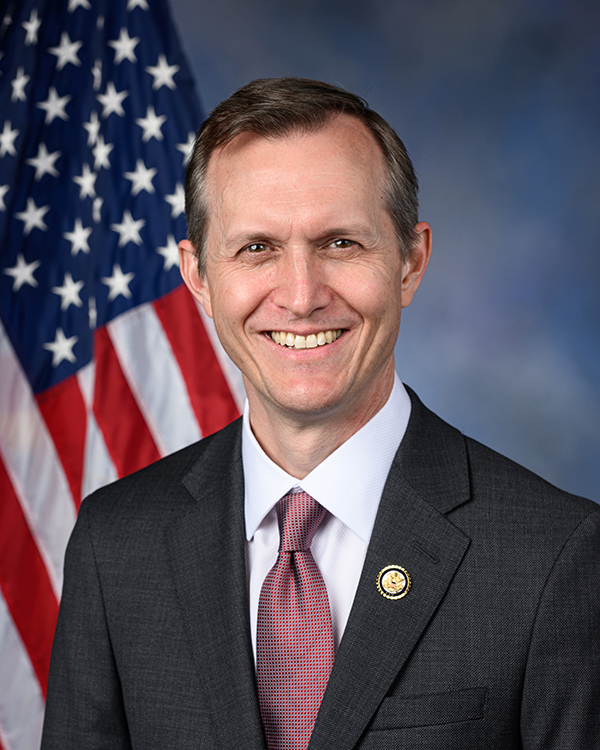
Rep. George Whitesides
Sponsored bills
Maddy summaryThe TOTAL Screen Time Act directs the National Institute of Standards and Technology to create a voluntary technical standard that allows parents and guardians to set screen time limits across various devices like phones, tablets, and computers. This standard must protect the privacy of minors by avoiding centralized data collection and unnecessary data sharing between devices while maintaining device cybersecurity. The bill requires the NIST Director to consult with government agencies, device developers, medical professionals, and advocacy groups before establishing the standard. Additionally, the Director must submit regular reports to Congress and the public detailing the progress of developing and adopting this standard until 2032.
Maddy summaryHR 4398, the Veteran Burial Timeliness and Death Certificate Accountability Act, requires Veterans Affairs (VA) physicians or nurse practitioners to certify the death of a veteran who dies of natural causes within 48 hours of learning of the death. This directly affects veterans' families, who previously faced delays of up to eight weeks in burial and access to survivor benefits due to slow death certifications. The bill mandates annual reports to Congress on VA compliance with the 48-hour rule, including statistics on delays and their causes. The key change is establishing a strict timeline for death certification to prevent unnecessary delays in honoring veterans' final arrangements.
Maddy summaryThe Wildfire Response Modernization Act directs the Secretary of the Air Force to purchase commercial satellite data to help the Department of Defense and Northern Command support wildfire management efforts. This data will be used to protect military installations and provide emergency assistance to state, local, and Tribal governments during fire events. Additionally, the bill allows the government to share this purchased data directly with local authorities to aid their firefighting operations. The funding for these purchases depends on the availability of future appropriations.
Maddy summaryThe AI Incident Reporting Act requires artificial intelligence developers to report specific high-risk incidents to the Secretary of Commerce within seven days of discovery. These reportable events include attempts to evade oversight, unauthorized theft of model weights, capabilities that could accelerate cyberattacks or weapon development, and any incidents posing serious risks to national security or public safety. To encourage transparency, the bill provides legal protections that prevent reported information from being used against developers in lawsuits or regulatory enforcement actions, while also mandating that sensitive data be kept confidential. Developers must submit detailed descriptions of these incidents, and the government must notify key congressional leaders immediately if a report indicates an imminent threat. The Act also establishes a framework for the Secretary to define which AI models are covered and to enforce compliance through civil penalties of up to $2 million for violations.
Maddy summaryThe READ AI Models Act directs the National Institute of Standards and Technology (NIST) to develop a free, flexible template for documenting artificial intelligence (AI) models. The template would require basic details like developer information, training data cutoff dates, supported languages, and terms of service for both public and private sector AI models. NIST must gather public input through a 60-day comment period before finalizing the template and technical guidelines. If the pilot program proves effective, NIST would publish the template publicly and report to Congress within one year.
Maddy summaryHR 5351, the NSF AI Education Act of 2025, creates new funding mechanisms to expand artificial intelligence education. It authorizes scholarships and fellowships covering tuition, fees, and stipends for undergraduate and graduate students in AI-related fields, with priority for programs teaching AI in K-12 schools, advanced manufacturing, and agriculture. The bill also establishes up to eight regional "Centers of AI Excellence" at community colleges and career schools to develop AI curricula, build industry partnerships, and create student job pathways. Additionally, it funds research grants to develop K-12 AI teaching materials and supports professional development for educators and industry professionals to integrate AI into classrooms.
Maddy summaryThe Global Climate Resilience Act of 2026 establishes a program to reduce the debt owed by vulnerable countries to the United States, directing those savings toward climate adaptation and disaster recovery efforts. To qualify for these benefits, nations must be classified as low or middle-income or small island developing states, have democratically elected governments that respect human rights, and submit plans involving local communities to build resilience against extreme weather and slow-onset climate disasters. The bill authorizes the President to cancel or exchange existing U.S. loans for new obligations tied to resilience projects and directs U.S. representatives at international financial institutions to advocate for similar debt relief and a new parametric climate insurance program at the World Bank.
Maddy summaryThis bill authorizes the presentation of Congressional Gold Medals to the four crew members of the Artemis II mission to recognize their historic achievement in advancing human space exploration. The legislation directs the Speaker of the House and the President pro tempore of the Senate to arrange for the medals, which will feature the faces of the astronauts and be struck by the Secretary of the Treasury. In addition to the gold medals, the bill permits the minting and sale of duplicate bronze versions to help cover production costs, with any proceeds returned to the United States Mint Public Enterprise Fund.
Maddy summaryHR 2978, the GUARD Act, allows state, local, and tribal law enforcement agencies to use existing federal grant funds for investigating elder financial fraud, "pig butchering" investment scams, and general financial fraud. The bill directs these funds toward hiring specialized staff, training on blockchain tools and transnational fraud, purchasing investigative software, improving data collection, and creating financial sector liaisons to coordinate with banks. It requires annual reports from law enforcement on fund usage and outcomes, and mandates federal agencies to submit comprehensive reports to Congress on scam statistics, enforcement actions, and funding allocation. The legislation directly affects law enforcement agencies and aims to strengthen efforts against fraud targeting vulnerable populations, particularly elderly individuals.