

Give Kids a Chance Act of 2025 This bill expands the Food and Drug Administration’s (FDA’s) authority with respect to research on rare pediatric diseases, including by permitting the FDA to take enforcement action against drug sponsors that fail to satisfy pediatric study requirements and by reauthorizing programs that support pediatric research. Specifically, the bill modifies requirements relating to molecularly targeted pediatric cancer investigations to permit research on new drugs in combination with active ingredients that have already been approved, provided certain conditions are met; permits the FDA to take enforcement action against drug sponsors that fail to comply with pediatric study requirements, if such sponsors demonstrated a lack of due diligence in satisfying the requirement; renews the FDA’s authority to award priority review vouchers to sponsors of new products intended to treat rare pediatric diseases through September 30, 2029; and reauthorizes through FY2027 certain funding for the National Institutes of Health to support priority pediatric research. The bill also provides statutory authority for the FDA’s interpretation of the orphan drug exclusivity period. The bill specifies, consistent with FDA regulations, that the seven-year market exclusivity period for drugs for rare diseases or conditions (i.e., orphan drugs) prohibits the approval of the same drug for the same approved use or indication with respect to the disease or condition. (In Catalyst Pharmaceuticals, Inc. v. Becerra , a court rejected the FDA’s interpretation and held that orphan drug exclusivity extends to all uses or indications for the disease or condition.)
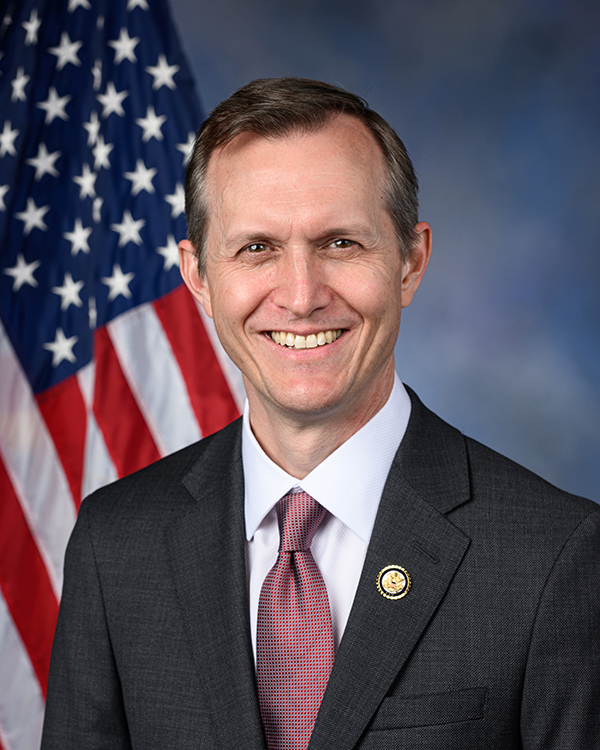
Rep. George Whitesides
Sponsored bills
Maddy summaryThis bill ensures FEMA can continue disaster relief payments during government funding gaps. It requires the agency to keep using existing Disaster Relief Fund money for active disaster assistance, emergency aid, and recovery programs - even if Congress hasn’t passed new funding. Essential staff handling these disbursements are protected from furloughs during such gaps, treated as "excepted" under federal law. The bill directly affects disaster victims receiving aid and FEMA employees managing relief operations during budget lapses.
Maddy summaryHR 5652, the Wildfire Recovery Act, increases federal reimbursement for wildfire response by setting a minimum 75% federal cost share under Section 420 of the Stafford Act, directly benefiting states, local governments, and Tribal governments that deploy firefighting resources. It requires FEMA to develop rules within three years to determine when the federal share could exceed 75% based on a state's financial impact from wildfires. The bill also updates FEMA policy to allow reimbursement for predeployment of fire assets (like crews or equipment) before a fire occurs. These changes aim to provide more predictable and timely federal support for wildfire recovery efforts.
Maddy summaryThis bill establishes a federal program to help low-income households pay for drinking water and wastewater services. It provides $500 million annually (2026-2030) in grants to states and tribes that already administer energy assistance programs, allowing them to cover past-due bills or other costs for households meeting specific income criteria (e.g., receiving certain federal benefits or earning ≤150% of the poverty level). The program prohibits using these funds to replace existing assistance and requires technical help to streamline eligibility. It directly affects low-income households in participating states and tribes, particularly those facing water affordability challenges.
Maddy summaryThis bill prevents the Secretary of Commerce from ending cloud storage contracts for NOAA data without meeting specific requirements. It directly affects the Secretary of Commerce and NOAA's data storage contracts with cloud providers. The law requires the Secretary to create a plan for transitioning data to another cloud provider and to work with NOAA's Administrator to maintain continuous data protection. This ensures NOAA's critical environmental and oceanographic data remains accessible and secure during any contract changes.
Maddy summaryThe FORCE Act of 2025 allows eligible first responders to enroll in Medicare at age 57 instead of the standard 65. To qualify, individuals must be between 57 and 64 years old, have worked 10+ years in specific first responder occupations (identified by Bureau of Labor Statistics codes like 33-1010 or 33-2000), and not yet qualify for standard Medicare at age 65. The bill establishes a new Medicare benefit section with premiums based on standard Part B/A costs, funded through a dedicated "Medicare First Responder Trust Fund." It ensures these enrollees receive full Medicare benefits, including prescription drug coverage, without affecting existing Medicare or Medicaid eligibility.
Maddy summaryHR 6137 would create a new separate job code for "direct support professionals" (DSPs) within the federal Standard Occupational Classification system. This change aims to better recognize DSPs - who provide daily support for people with intellectual and developmental disabilities (like helping with daily living, community participation, and goal-setting) - as distinct from other roles like home health aides. The bill requires the Office of Management and Budget to consider this revision during the next system update, without authorizing new funding. It addresses data gaps caused by high turnover rates (39% nationally) in DSP hiring and retention.
This bill designates the facility of the United States Postal Service located at 28201 Franklin Parkway in Santa Clarita, California, as the "Deputy Ryan Clinkunbroomer Post Office Building".
Maddy summaryThe Increasing Access to Mental Health in Schools Act creates a federal grant program to increase the number of mental health professionals (counselors, social workers, and psychologists) in low-income public schools. It provides funding for partnerships between schools serving high percentages of low-income students and graduate institutions that train mental health professionals, aiming to reach recommended staff-to-student ratios (such as 1 counselor per 250 students). The bill also establishes a student loan repayment program for mental health professionals working in these schools, offering up to $200,000 in total repayment over five years. This legislation directly affects low-income school districts and mental health professionals working in those schools, with the goal of improving mental health support for students facing challenges like poverty, homelessness, or trauma.
Maddy summaryHR 6011, the VA Work-Study Improvement Act, expands opportunities for veterans and military members participating in the VA's work-study program. It allows them to work on activities with state/local governments or nonprofits that benefit veterans (e.g., community service or job training), and sets a new wage standard requiring payments to be the highest of federal employee rates, state minimum wage, or local minimum wage. The bill also requires electronic tracking of work hours and annual public reporting on program participation, including demographics, wages, hours worked, and participating schools. These changes apply to work-study payments made on or after January 1, 2028.