

Maddy summaryHR 7101, the "No Delay in Representation Act," requires the House of Representatives to seat members elected in special elections within five legislative days of certification of results. It mandates that newly elected members be sworn in and seated as House Members by this deadline, overriding any existing rules or laws that might delay the process. If a member declines the oath during this period, the Speaker must administer it on a mutually agreed date. This bill directly affects individuals elected to fill House vacancies through special elections, ensuring faster integration into the legislative body.
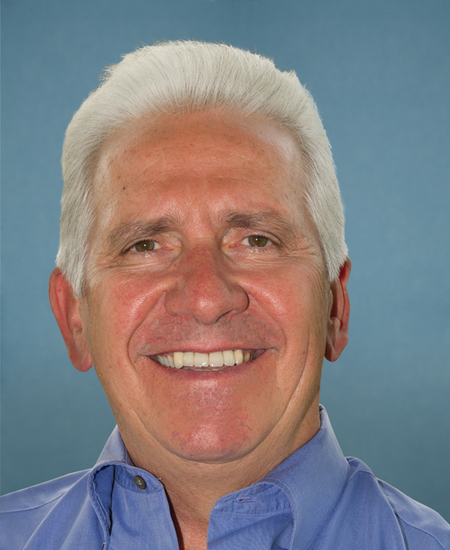
Rep. Jim Costa
Sponsored bills
Maddy summaryHR 7100 establishes a Department of Justice Task Force on Anti-Sikh Hate and Discrimination to address systemic bias against Sikhs. The Task Force must draft a formal definition of anti-Sikh hate for DOJ use, develop educational programs for law enforcement and schools, and produce annual reports on hate crimes and trends. It requires quarterly collaboration with Sikh organizations and translation of materials into Punjabi. The bill directly affects Sikhs in the U.S. (who face disproportionate targeting as noted in FBI data) and mandates federal agencies to improve hate crime data collection and response. This is a policy-focused measure to standardize definitions, enhance reporting, and support community safety through DOJ action.
Maddy summaryThe Find It Early Act requires most health insurance plans, Medicare, Medicaid, TRICARE, and VA benefits to cover certain breast cancer screenings without cost-sharing for specific at-risk groups. It affects individuals at increased breast cancer risk (as determined by medical guidelines), those with dense breast tissue (as defined by the American College of Radiology), and others requiring screening due to factors like age, race, ethnicity, or family history. The bill mandates coverage for various screening methods including mammograms, ultrasounds, MRI, and other technologies at frequencies recommended by the National Comprehensive Cancer Network. This requirement takes effect for plan years beginning January 1, 2026, removing financial barriers to early detection.
Maddy summaryHRES 1001 is a House resolution requesting the President and Secretary of State to provide the House with specific documents related to U.S. policy on Greenland. It directs them to submit all communications (including emails, meeting notes, and records) created since January 2025 about potential U.S. ownership of Greenland, U.S. relations with Denmark, security agreements under the 1951 defense pact, and diplomatic engagements concerning recent statements about Greenland. The resolution focuses on transparency regarding the Administration's stance, including discussions with Danish and Greenlandic authorities and assessments of legal implications under NATO and UN obligations. This procedural request does not change policy but seeks documentation for congressional oversight.
Maddy summaryHRES 995 is a symbolic resolution supporting Korean American Day, commemorating January 13 as the anniversary of the 1903 arrival of the first large wave of Korean immigrants to the U.S. It urges all Americans to recognize Korean Americans' contributions to U.S. society, economy, and U.S.-South Korea relations, honoring their historical journey and ongoing impact. The resolution has no legal effect or policy changes - it serves solely as a formal acknowledgment of cultural heritage.
Maddy summaryHR 6277, the SAWMILL Act, creates a loan guarantee program to support rural sawmills and wood-processing facilities. It provides guaranteed loans to eligible entities (like sawmill owners in rural areas) seeking to establish, expand, or improve operations within 250 miles of federal lands identified for ecological restoration involving vegetation removal. The program aims to reduce the cost of these restoration projects by ensuring local mills process the removed vegetation. The Department of Agriculture will offer up to $220 million in total loan guarantees under this program, with specific conditions set by the Secretary.
Maddy summaryHR 6088, the *Restoring Food Security for American Families and Farmers Act of 2025*, repeals specific sections (10101-10108) from a prior reconciliation law. This action revives previous provisions related to food security programs that were modified by those repealed sections. The bill directly affects federal food assistance and agricultural support programs by restoring their prior legal framework. It does not create new policies but reverses recent changes to existing food security measures.
Maddy summaryThis bill updates federal nutrition law to include Puerto Rico in the Supplemental Nutrition Assistance Program (SNAP), allowing it to transition from its current funding method to the same SNAP benefits available to U.S. states. Puerto Rico must submit a 180-day plan to the USDA detailing its transition to SNAP, with approval required within another 180 days. The transition period lasts up to 5 years from the bill's effective date, during which Puerto Rico would continue receiving block grants while preparing for full SNAP participation. This change directly affects Puerto Rico's 1.4 million residents who currently receive nutrition assistance under a separate funding structure.
Maddy summaryThe CRP Improvement and Flexibility Act of 2025 updates the Conservation Reserve Program (CRP) to give farmers more flexibility in managing enrolled land while maintaining conservation goals. It allows emergency haying during droughts or natural disasters under specific conditions (e.g., D2 drought designation or 40% forage loss) on no more than 50% of contract acres, without harming wildlife cover. The bill expands cost-sharing for grazing infrastructure like fencing and water systems and raises the annual rental payment limit from $50,000 to $125,000. These changes directly affect CRP participants by adjusting enrollment rules, management options, and payment structures.
Maddy summaryHR 5059 creates a new grant program to boost sales of U.S.-grown specialty crops (like fruits, vegetables, and nuts) within the domestic market. The U.S. Department of Agriculture will award grants to eligible organizations - such as agricultural trade groups, cooperatives, or nonprofit associations - to fund marketing and promotion activities. Organizations must contribute at least 25% of the grant amount from non-Federal sources and cannot use funds to directly assist large for-profit corporations (except cooperatives or specific associations). The program is authorized to receive $75 million annually starting in fiscal year 2026, with strict reporting and evaluation requirements to track how funds develop domestic markets.