

"Six Triple Eight" Congressional Gold Medal Act of 2021 This bill directs the Speaker of the House of Representatives and the President pro tempore of the Senate to arrange for the award of a Congressional Gold Medal in honor of the women of the 6888th Central Postal Directory Battalion (commonly known as the Six Triple Eight) in recognition of their pioneering military service, devotion to duty, and contributions to increase the morale of personnel stationed in the European theater of operations during World War II. The medal shall be given to the Smithsonian Institution and made available for display and research.
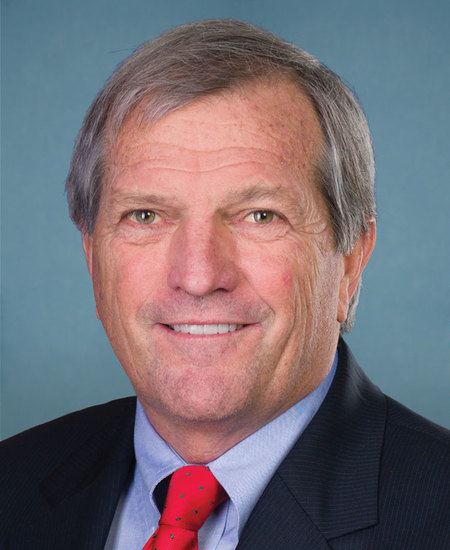
Rep. Mark DeSaulnier
Sponsored bills
Horse Transportation Safety Act of 20 21 This bill prohibits a person from transporting a horse in interstate commerce in a motor vehicle (except a vehicle operated exclusively on rail or rails) containing two or more levels stacked on top of one another. The bill prescribes civil penalties for knowing violations of such prohibition.
Wildland Firefighter Recognition Act This bill requires the Office of Personnel Management to develop a distinct wildland firefighter occupational series. The series must apply to the following positions forestry technician; range technician; other positions related to significant prevention, preparedness, control, suppression, or management activities for wildland firefighters; and other positions conducting activities necessary to meet any other emergency incident. The Department of the Interior and the Department of Agriculture must use the series in the advertising and hiring of a wildland firefighter. The bill requires an employee in a wildland firefighter occupational series to receive a pay differential based on the unusual physical hardship or hazardous nature of the position. An individual employed as a wildland firefighter on the date on which the occupational series takes effect may (1) remain in the occupational series in which the individual is working, or (2) be included in the wildland firefighter occupational series.
American Family Act of 2021 This bill modifies the child tax credit to (1) make the credit fully refundable, (2) increase the amount of the credit and allow an additional credit for children who are under six years of age, (3) require the amount of the credit to be adjusted annually for inflation, and (4) require the Department of the Treasury to establish a program for making advance payments of the credit on a monthly basis.
This bill requires the Surgeon General to report annually to Congress on the public health effects of gun violence and the status of actions taken to address those effects.
Firearm Safety Act of 2021 This bill allows the Consumer Product Safety Commission to issue safety standards for firearms and firearm components.
This resolution expresses the sense of the House of Representatives that the U.S. Postal Service should continue door delivery for all customers.
Small Business PPE Tax Credit Act This bill allows certain small businesses a tax credit for qualified personal protective equipment expenses, up to $25,000 in a taxable year. The entities eligible for such credit include farms, veterans organizations, and tribal business concerns. The bill defines qualified personal protective equipment expenses to include the cost of equipment for reducing the risk of coronavirus (i.e., the virus that causes COVID-19) transmission, including gloves, medical masks and protective gear, and cleaning supplies.
Future Advancement of Academic Nursing Act or the FAAN Act This bill authorizes the Health Resources and Services Administration (HRSA) to award grants to nursing schools to increase capacity to respond to public health emergencies and pandemics and otherwise enhance nursing education programs. In awarding these grants, HRSA shall prioritize historically Black colleges and universities and other minority-serving institutions, schools that are located in medically underserved communities, and schools in areas with shortages of health professionals.
Barriers to Suicide Act of 20 21 This bill requires the Department of Transportation (DOT) to establish a program to facilitate the installation of evidence-based suicide deterrents on bridges, including suicide prevention nets and barriers. DOT may award competitive grants to states and local governments to carry out the program. The Government Accountability Office must conduct a study to identify the types of structures, other than bridges, that attract a high number of individuals attempting suicide-by-jumping and the types of nets or barriers that are effective at reducing such suicides.