

Maddy summaryThe Cool Corridors Act of 2025 expands the existing Healthy Streets program to fund tree planting, shade structures, and green infrastructure along transportation corridors - like bus stops, transit hubs, and school zones - to reduce heat exposure. It directly affects communities facing extreme heat and limited tree canopy (especially low-income or historically underserved areas), as well as state/local transit agencies, schools, and environmental groups. Key provisions include requiring projects to prioritize heat-vulnerable regions, mandate annual reporting on temperature reduction and equity outcomes, and ensure tree planting doesn’t obstruct traffic safety. The bill also extends program funding through 2030 and mandates coordination with agencies like the EPA and Forest Service.
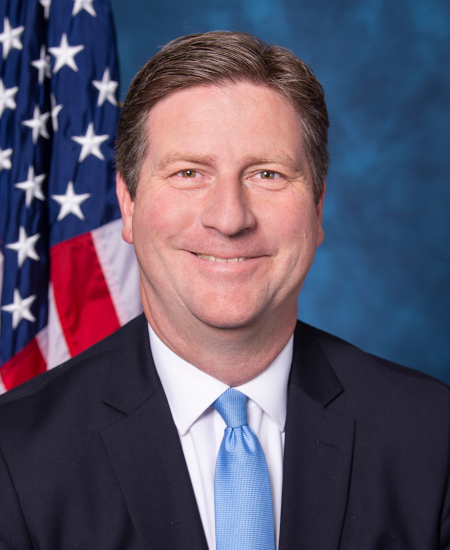
Rep. Greg Stanton
Sponsored bills
Maddy summaryHR 4419, the AV Accessibility Act, requires states to ensure self-driving ride-hail services (like driverless Uber/Lyft vehicles) do not discriminate against people with disabilities when issuing licenses for fully autonomous operation. It mandates a federal study to identify infrastructure changes - such as improved curb access, non-visual navigation aids, and dedicated pickup zones - that would help people with disabilities safely use these vehicles. The study, funded with $5 million, will examine modifications to sidewalks, road design, and technology to improve accessibility during boarding and exiting. This bill directly affects disabled riders and autonomous vehicle service providers operating in the U.S.
Maddy summaryThe Child Care for Working Families Act creates a federal program to provide affordable, high-quality child care for working families with children under age 6. It would provide direct child care assistance through certificates or grants to parents, with no copayment required for families at or below 85% of state median income. The program requires states to implement quality standards for child care providers, including a tiered quality system and minimum wage requirements for staff (at least a living wage equivalent to elementary educators). The bill appropriates $20 billion for the program over five years, with additional funding for quality improvement initiatives and universal preschool services.
Maddy summaryThis bill directs the Health and Human Services Secretary to fund research on early detection and intervention for uterine fibroids, aiming to develop evidence-based approaches for healthcare settings. It authorizes grants to states to support screening (including advanced imaging), patient navigation services, and public education campaigns focused on early detection, with priority given to areas with socially vulnerable populations at higher risk. The bill also funds research into disparities in pain management during fibroid surgery and conditions like Asherman’s Syndrome. These provisions directly affect women with uterine fibroids, particularly in underserved communities, by expanding access to early detection services and targeted research.
Maddy summaryThis non-binding House resolution (HRES 577) demands that the current administration immediately release all unclassified federal documents related to Jeffrey Epstein, including flight logs, correspondence, and evidence. It specifically requires the release of materials involving Epstein, Ghislaine Maxwell, and known associates, with redactions only to protect minor victims' identities and ongoing prosecutions. The resolution also calls for the Department of Justice and FBI to submit a report on any delays or evidence suppression related to the case. As a resolution, it does not create new law but serves as a formal congressional demand for transparency regarding Epstein-related investigations.
Maddy summaryHRES 575 is a symbolic resolution designating July 10th as "Journeyman Lineworkers Recognition Day." It honors lineworkers who face significant risks daily - working at heights near live wires and responding to disasters like hurricanes and wildfires. The resolution specifically references Henry Miller, an early leader of the International Brotherhood of Electrical Workers, who died on July 10, 1896, while troubleshooting an outage. It encourages the public to recognize these workers' contributions but does not create new laws or allocate funding.
Maddy summaryHR 4308 reauthorizes the Energy Efficiency and Conservation Block Grant Program through 2030, providing $3.5 billion annually for state and local governments to fund energy efficiency projects. The bill expands eligible uses to include infrastructure for alternative fuels and energy distribution technologies like district heating systems and distributed energy resources. It directs grants toward diversifying energy supplies and increasing efficiency, with administrative costs capped at 1% of annual funding. This program directly supports communities implementing clean energy initiatives under the 2007 Energy Independence Act.
Maddy summaryHRES 564 is a non-binding House resolution calling on the U.S. government to prioritize the return of Ukrainian children abducted by Russia before any peace agreement is finalized. It cites 19,546 confirmed reports of unlawful child deportations to Russia or occupied territories as of April 2025, noting only 1,274 have been returned. The resolution condemns Russia's actions as violations of the Geneva Convention and Genocide Convention, including forced adoptions and Russification policies. It urges that all abducted children be returned prior to concluding peace talks, emphasizing this as a necessary condition for a just resolution to the war. The resolution does not create new law but expresses congressional position on a key issue in U.S. diplomatic efforts.
Maddy summaryHRES 550 is a non-binding House resolution recognizing June 2025 as LGBTQIA+ Pride Month. It formally encourages all U.S. citizens to celebrate Pride Month to learn about LGBTQIA+ history, including the Stonewall Inn and Compton's Cafeteria uprisings. The resolution affirms that LGBTQIA+ rights are human rights and emphasizes the ongoing struggle for equality. It has no legal effect but serves as a symbolic statement of support for the LGBTQIA+ community and its history.
Maddy summaryThe CONNECT for Health Act of 2025 expands Medicare telehealth coverage by removing geographic restrictions that limited where patients could receive care, expanding the types of health care providers who can offer telehealth services, and eliminating the requirement for an in-person visit before receiving telemental health services. The bill includes specific provisions to support telehealth use for Native American health facilities, rural health clinics, and Federally Qualified Health Centers. It requires the Centers for Medicare & Medicaid Services to collect and publish data on telehealth usage and impacts, and to develop resources to improve accessibility for people with disabilities and limited English proficiency. Program integrity measures are added to monitor telehealth billing practices and prevent fraud while maintaining coverage for telehealth services during public health emergencies.