

Maddy summaryH.J. Res. 108 proposes a constitutional amendment to remove legal immunity for federal officials, including the President, from criminal prosecution for actions taken while performing official duties. It would prohibit the President from granting pardons to themselves and eliminate the defense that "official authority" excuses violations of federal or state law (with limited exceptions for certain congressional actions). If ratified, this amendment would require Congress to pass implementing laws to enforce these changes. The proposal is currently in the House Judiciary Committee and requires approval by three-fourths of state legislatures to become part of the Constitution.
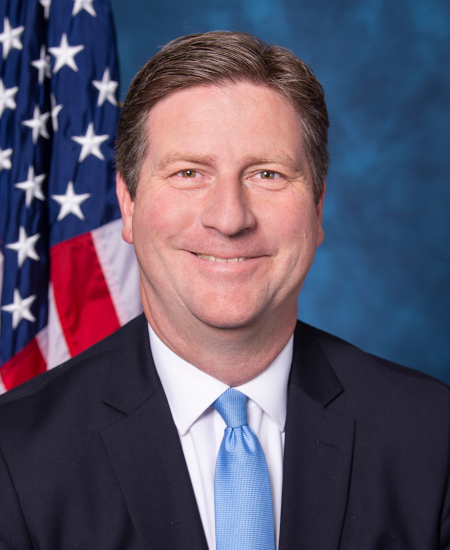
Rep. Greg Stanton
Sponsored bills
Maddy summaryHR 4606, the Ally’s Act, requires private health insurance plans (including employer-sponsored plans and individual coverage) to cover hearing implants and related services. It directly affects people with hearing loss who need cochlear implants, bone conduction devices, or external sound processors, as determined by a physician or audiologist. The bill mandates coverage for devices, maintenance, repairs, upgrades every 5 years, hearing assessments, surgery, and rehabilitation - without separate cost-sharing or stricter limits than other medical services. Insurers cannot deny coverage if a provider deems the service medically necessary. The law applies to all applicable health plans and takes effect for plan years beginning January 1, 2026.
Maddy summaryThis bill prohibits life, disability, and long-term care insurers from denying coverage, canceling policies, or increasing premiums based solely on a person's status as a living organ donor. It directly protects living organ donors by preventing insurance discrimination unrelated to actual health risks. The bill also requires the Health and Human Services Secretary to update public educational materials about organ donation benefits, risks, and insurance impacts within six months of enactment. These materials will include information on the new insurance protections established by the bill. The law relies on state insurance regulators for enforcement of the insurance provisions.
Maddy summaryThis bill amends the Family and Medical Leave Act (FMLA) and federal employee leave rules to clarify that recovery from organ donation surgery qualifies as a "serious health condition." It directly affects private-sector workers covered by the FMLA and federal civil service employees. The key change adds "including recovery from surgery related to organ donation" to the definitions of serious health conditions in both the FMLA and federal leave statutes. This ensures eligible employees can use their existing family and medical leave benefits to recover after donating an organ, without requiring new leave entitlements.
Maddy summaryThe SUPPLY Act establishes a federal program to insure second loans (additional financing) for building accessory dwelling units (ADUs) on single-family properties. This insurance, administered by the Department of Housing and Urban Development, covers up to 30% of a standard one-unit home loan amount or 100% of the property value after construction (with potential increases based on 50% of projected rental income). Homeowners seeking to add ADUs - such as backyard cottages, converted basements, or detached units - can use this insurance to secure financing, with a government premium of up to 1% annually. The bill also requires Fannie Mae and Freddie Mac to purchase and securitize these insured loans, potentially expanding access to ADU financing.
Maddy summaryHR 4482, the Stop NOAA Closures Act, imposes a temporary moratorium on closing, suspending, or limiting access to National Oceanic and Atmospheric Administration (NOAA) facilities, effective until a report is submitted to Congress by January 21, 2029. The bill requires NOAA and the General Services Administration to submit detailed reports to specific congressional committees before any future facility closure, suspension, lease termination, or consolidation - outlining cost-benefit analyses, service impacts, and justification. Exceptions apply only for emergencies posing immediate threats to personnel safety. This bill directly affects NOAA's facility management decisions and mandates congressional oversight for future closures.
Maddy summaryThis bill establishes a program to insure second mortgages (loans taken out after the primary mortgage) for financing accessory dwelling units (ADUs) on single-family properties. The Secretary of Housing and Urban Development must create the program within two years, setting loan limits (up to 30% of a standard mortgage amount or 100% of the property's after-construction value, with potential increases based on 50% of projected rental income) and requiring borrowers to own the property and apply for insurance. It also allows Fannie Mae and Freddie Mac to purchase and securitize these insured loans, unless the Federal Housing Finance Agency determines market risks require a prohibition. The program requires the Secretary to submit annual reports to Congress on its implementation starting one year after enactment.
Maddy summaryThis bill authorizes a single Congressional Gold Medal for seven individuals: Chad Robichaux, Sarah Verardo, Tim Kennedy, Kevin Roarke, Sean Gabler, Dave Johnson, and Dennis Price. It recognizes their leadership in a 2021 rescue mission that evacuated over 17,000 people from Afghanistan during the U.S. withdrawal. The medal, struck by the Treasury Department, will be presented by congressional leaders and permanently displayed at the Smithsonian Institution. The bill does not create new laws or policies but formally honors these veterans' actions through a commemorative medal.
Maddy summaryThe SMART Act requires the Federal Emergency Management Agency (FEMA) to study how its hazard mitigation programs - like flood barriers or building retrofits - save money by reducing disaster damage. It mandates an analysis of cost savings, community preparedness, insurance impacts, and infrastructure protection, using data from federal, state, and academic sources. FEMA must submit an initial report within 18 months and annual updates, making findings publicly available online in clear, accessible formats. This directly affects FEMA's program oversight and transparency, with no new funding or regulations created by the bill.
Maddy summaryThe CHARGE Investments Act expands federal loan and guarantee eligibility for transit-oriented development near rail stations. It allows financing for projects within 1/4 mile of rail transit stations (or within 2 miles of a downtown core if connected by public transit) that incorporate at least 20% private investment. Projects must avoid areas within 2 miles of unserved downtown cores and prioritize mixed-use commercial/residential development. This policy change directly affects developers and local governments planning transit-connected projects seeking federal financing.