

Maddy summaryThis bill modifies how certain juvenile cases are handled by establishing automatic transfer rules from juvenile court to adult criminal court for specific serious offenses. It directly affects children aged 15 and older charged with capital felonies, class A or B felonies, and certain other violent crimes, requiring them to be tried in adult Superior Court unless exceptions apply. The law creates two transfer pathways: automatic transfers for the most serious charges and discretionary hearings for other offenses where a prosecutor must request a transfer and a judge must determine it serves the best interests of the child and the public. The bill also allows cases transferred to adult court to be returned to juvenile court before a verdict or guilty plea if good cause is shown, and sets specific timeframes for hearings, particularly requiring faster hearings for serious firearm offenses.
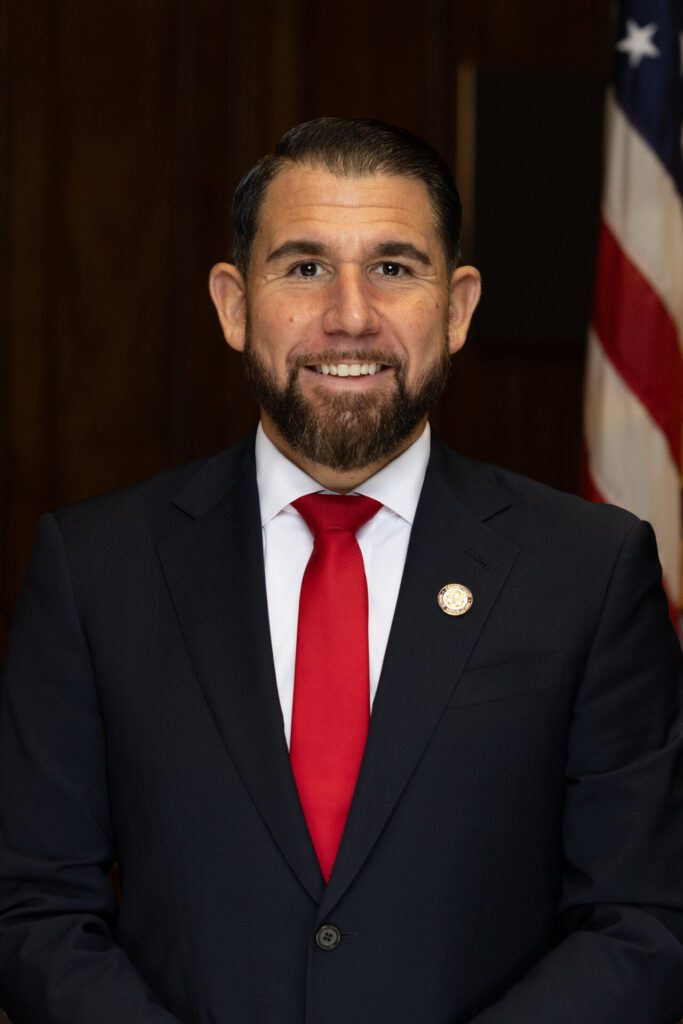
Sen. Paul Cicarella
Sponsored bills
Maddy summaryThis bill requires individuals appointed as conservators in Connecticut Probate Court proceedings to complete an annual training program starting October 1, 2026. The training, funded by the Probate Court Administrator, covers legal duties, ethical responsibilities, court procedures, and available support resources. Conservators who fail to complete the training without good cause may face removal from their position. The program will also be available to conservators appointed before the deadline, with a potential fee of up to $35 for those early participants.
Maddy summaryThis bill updates the definition of "retired police officer" to clarify who can be hired for armed security work in Connecticut public schools. It specifically disqualifies individuals who are prohibited from being hired by law enforcement units due to past misconduct, such as dismissal for malfeasance or resignation during an investigation. To qualify, retired officers must have served with local, state, federal, or out-of-state police agencies, retired in good standing, and meet federal standards for qualified retired law enforcement officers. The law also requires these officers to complete annual firearms training and exempts them from certain licensing requirements.
Maddy summaryHB 5429 lowers the age threshold for criminal liability when an adult entices a minor to commit a crime. It changes the law so that individuals aged 21 or older - not just those 23 or older - can be charged with enticing a juvenile (under 18) to commit a criminal act. The bill maintains existing penalties: a first offense is a class A misdemeanor, and repeat offenses become class D felonies. This directly affects adults aged 21-22 who might have previously avoided prosecution under the old law, while keeping the same enforcement structure for the offense.
Maddy summaryThis bill creates a new grant program to provide funding to nonprofit wildlife rehabilitation organizations operating facilities within the state. The program would be administered by the Commissioner of Energy and Environmental Protection, who could accept donations and establish a dedicated fund to distribute grants. To qualify, organizations must register with the department and submit annual reports detailing their operations, staff qualifications, and financial information. The commissioner has the authority to set specific criteria for grant distribution and may charge annual registration fees to participating organizations.
Maddy summaryHB 5221 reestablishes a permanent Legislative Program Review and Investigations Committee as a standing body of the General Assembly. The committee, composed of six Senate members (appointed by leadership) and six House members (appointed by leadership), will review state agency programs for effectiveness and conduct investigations into matters referred to it. It can access state records, recommend policy changes, and issue annual reports to the legislature. This procedural bill directly affects the legislature and state departments by creating a formal mechanism for oversight, without changing substantive policies or impacting citizens.
Maddy summarySB 324 establishes a permanent Office of Government Oversight and Efficiency to detect fraud, waste, and abuse in state agency operations, including personnel management, property use, and fund handling. It also creates a temporary 10-member working group (with legislative leaders, agency representatives, and auditors) to study cost-saving partnerships with private providers and recommend anti-fraud measures, requiring a report by December 31, 2026. The office will evaluate the efficiency of state agencies and private contractors providing government services, while the executive director - appointed by auditors with legislative approval - will lead these efforts. This bill directly affects all state and quasi-public agencies and their private contractors that handle public funds or services.
Maddy summaryThis bill establishes a working group to examine the statutory roles and responsibilities of various law enforcement and public safety positions in Connecticut. The group will identify different positions performing these functions, clarify their jurisdictions, assess training and certification requirements, and recommend any necessary statutory changes. The working group includes representatives from state agencies, the police chiefs association, and legislative committee members, and must submit its findings and recommendations by January 1, 2027.
Maddy summaryThis bill establishes a new grant program to help municipalities and the Department of Emergency Services and Public Protection pay for training police officers in impaired driving enforcement and drug recognition. The program allows these entities to receive funding either to reimburse costs for training already completed on or after July 1, 2026, or to pay for future training sessions. Additionally, the bill changes how certain cannabis taxes are distributed, directing five percent of tax revenue from fiscal years 2027 and 2028 onward into a dedicated account that will fund this training program. The Secretary of the Office of Policy and Management will manage the grants and submit annual reports to the legislature starting in 2028.
Maddy summarySB 374 requires the Division of State Police (within the Department of Emergency Services and Public Protection) to expand the CRISIS Initiative pilot program statewide by January 1, 2027, working with the Department of Mental Health and Addiction Services. The program, officially named "Connection to Recovery through Intervention, Support and Initiating Services," aims to provide crisis response services. This expansion will move the program from a limited pilot to full statewide implementation, directly affecting state law enforcement and mental health agencies. The bill mandates this structural change without specifying new services or funding details.