

Maddy summarySB 292 amends Connecticut law to clarify and expand the definition of "child sexual abuse material" for legal enforcement. It defines this material as any visual depiction (including digital content) showing a person under 16 years old, or someone appearing under 16, engaged in sexually explicit conduct. Key provisions specify that "sexually explicit conduct" includes acts like intercourse, masturbation, sadomasochistic abuse, and lascivious exhibition of genitals. This definition directly affects law enforcement, prosecutors, and individuals or platforms distributing such content, effective October 1, 2026.
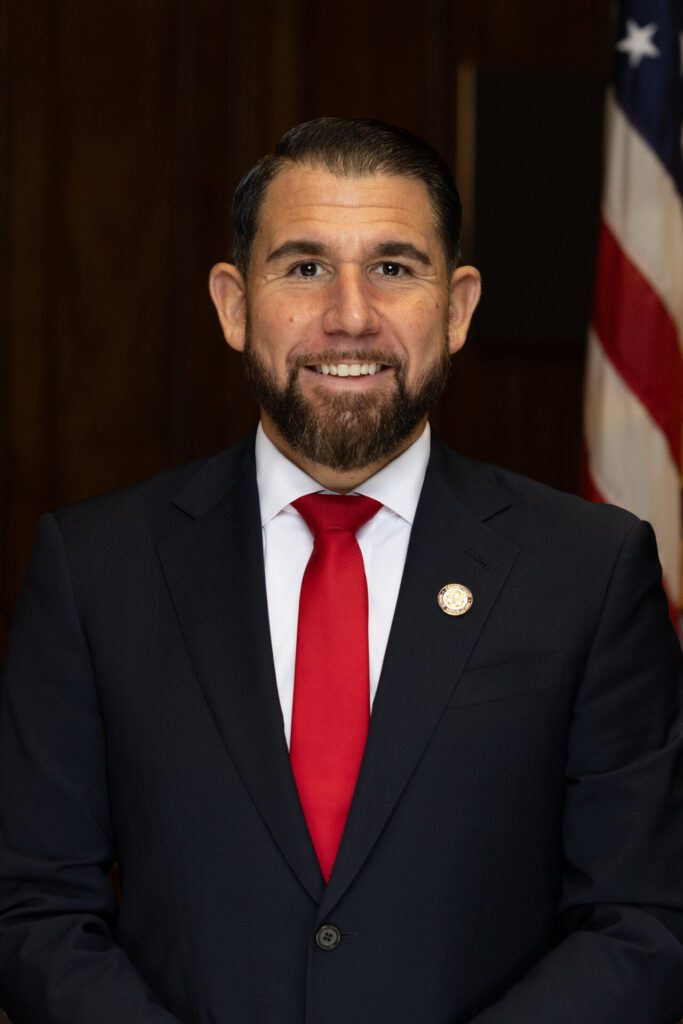
Sen. Paul Cicarella
Sponsored bills
Maddy summarySB 310 (2026) requires the Technical Education and Career System to study expanding vocational education to K-8 students, with a report due January 1, 2027. It also establishes a pilot program offering wastewater treatment operator training courses at technical schools for the 2026-2027 school year, requiring a report by January 1, 2027, on enrollment, certification timelines, and expansion recommendations. The bill directly affects K-8 students (via the study) and technical school students (via the pilot program). Key provisions mandate specific studies and reporting deadlines to assess program feasibility and effectiveness before potential expansion.
Maddy summarySB 248 requires the Office of Legislative Management to study the feasibility of reestablishing the Legislative Program Review and Investigations Committee, including its duties, staffing needs, costs, and potential benefits. The study must be completed by January 1, 2027, and reported to the Government Oversight Committee. This bill does not reestablish the committee itself but directs a formal analysis to inform future legislative decisions. It directly affects the legislative oversight process and the committee responsible for government accountability. The bill is procedural, focusing solely on conducting a study rather than implementing policy changes.
Maddy summarySB 293 extends the time frame for minors to sue providers for fraud in fertility care. It allows victims to file claims up to three years after reaching age 18 (the age of majority) or three years after discovering the fraud, whichever occurs later. This directly affects minors who suffered harm due to fraudulent fertility treatments or care. The law takes effect October 1, 2026, and modifies existing statute of limitations rules for these specific cases.
Maddy summarySB 373 would allow volunteer firefighters, volunteer fire police officers, and volunteer ambulance members in Connecticut to deduct stipends they receive for their service from their state personal income tax. The bill amends the state tax code to add these stipends as a deductible expense, effective January 1, 2027. This change directly affects individuals who serve on volunteer emergency response teams and receive monetary stipends for their work. The provision aligns with existing tax deductions for certain income types but specifically targets volunteer emergency service compensation. It does not change federal tax treatment of these stipends.
Maddy summaryHB 5308 allows individuals convicted of crimes and currently incarcerated or under supervision (probation/parole) to petition courts for DNA testing of evidence held by law enforcement, the Division of Criminal Justice, or courts. The bill requires petitioners to prove the testing could show they didn’t commit the crime, the evidence still exists and wasn’t previously tested, and the request isn’t for delay. Courts must order testing if these conditions are met, and the state covers costs for indigent petitioners while ensuring they have legal representation. The law takes effect October 1, 2026, and makes denials of such petitions final for appeal.
Maddy summarySB 388 establishes the "Mashantucket Pequot and Mohegan Fund" as a permanent state fund to manage payments received from Connecticut's Mashantucket Pequot Tribe and Mohegan Tribe. The bill requires transferring $152.38 million annually from Connecticut's General Fund to this new fund starting July 1, 2026, using revenue from tribal agreements. Funds will be distributed to Connecticut towns through the Office of Policy and Management following existing grant guidelines (Section 3-55j), with payments made in three installments each year. This directly affects Connecticut towns receiving these grants, which were previously managed under a different funding mechanism.
Maddy summaryThis bill establishes a new lump sum death benefit of $100,000 for surviving families of first responders who die from firefighter cancer while performing their duties. It creates a dedicated "Fallen Hero Fund" to finance these payments and expands the definition of firefighter cancer to include various types of cancer affecting multiple body systems. The law applies to first responders including firefighters, police officers, paramedics, and emergency medical technicians, and ensures these benefits are paid in addition to any other compensation or survivor benefits they may receive.
Maddy summaryThis bill updates Connecticut's Temporary Family Assistance program to help prevent families from losing benefits when they earn more money, a situation known as a benefits cliff. It allows the state to run a separate, fully state-funded version of the program to avoid federal financial penalties while keeping the same eligibility rules as the federal program. The legislation also creates specific exemptions from the 36-month time limit for families with incapacitated or elderly caretakers, pregnant women, and minor parents finishing high school, and permits up to two six-month extensions for families facing barriers like domestic violence or low income.
Maddy summaryThis bill updates Connecticut's criminal penalties for intentionally damaging critical infrastructure and public safety systems. It directly affects individuals who damage utilities, transportation systems, communication networks, emergency services, or state-owned safety equipment. The law creates two new felony and misdemeanor offenses that apply when someone damages these systems with intent to cause harm or create a risk of service interruption, regardless of whether the damage causes actual disruption. Key provisions include increasing penalties for damaging electronic monitoring equipment, fire alarm systems, emergency dispatch systems, and fire suppression equipment, while also raising the monetary threshold for criminal mischief to $1,500 for state property and $250 for municipal property. The changes take effect on October 1, 2026.