

Maddy summarySB 1251 establishes a state-run driver training program for people with disabilities who need special equipment and cannot access training through other programs. Successful participants will receive certification that allows them to skip the driving skills test for a license, with restrictions recommended by the program. The bill also requires Medicaid plan amendments to be reviewed by legislative committees before federal submission and imposes penalties on wheelchair dealers who repeatedly fail to meet timely repair standards for wheelchairs. These changes affect individuals with disabilities, Medicaid administrators, and wheelchair repair businesses.
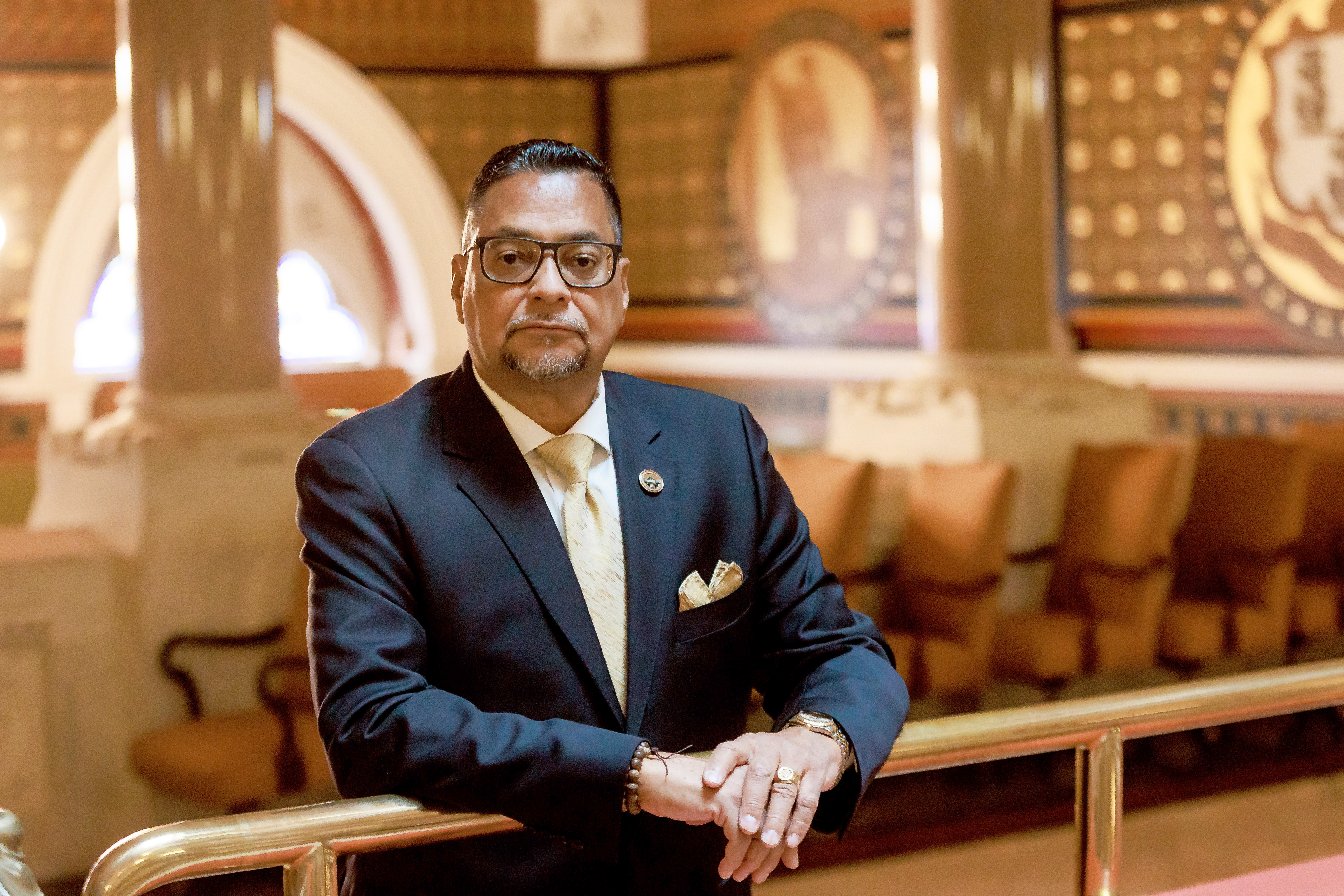
Rep. Geraldo Reyes
Sponsored bills
Maddy summarySB 1500 requires individuals convicted of certain sexual offenses against minors or nonviolent offenses (released after October 1, 1998) to verify their address annually through mailed forms and update changes within five business days. It mandates these registrants to maintain registration for ten years (or for life if they have prior convictions), with specific requirements to report name changes, new addresses, employment, or educational status. The bill repeals prior registration rules and adds verification steps to ensure accuracy, while allowing courts to exempt some offenders if public safety isn't at risk. Violating address reporting requirements can result in a class D felony charge.
Maddy summarySB 1428 allocates $500,000 for the 2025-2026 fiscal year and another $500,000 for 2026-2027 to fund the Domestic Workers Education and Training Grants Program under Connecticut law. The program, administered by the Labor Department, provides grants to support training and education for domestic workers, such as caregivers and housekeepers. This funding directly helps domestic workers access skills development opportunities through approved providers. The bill takes effect on July 1, 2025, and does not change existing laws but allocates specific funds for this targeted program.
Maddy summarySB 981 expands Medicaid eligibility for older adults and people with disabilities in Connecticut by raising the income limit to 159% of the temporary family assistance program's income threshold (up from previous levels). It removes asset limits for this group, allowing individuals with savings or property to qualify if they meet the income standard. The bill requires the state to provide applicants with written notices explaining how property transfers or income levels affect eligibility. It takes effect July 1, 2025, and aligns Connecticut's Medicaid rules with federal income calculation standards.
Maddy summarySB 970 clarifies legal definitions for hemp products in Connecticut by amending the state's controlled substances statute. It explicitly excludes hemp and hemp products containing no more than 0.3% THC (on a dry-weight basis) from the definition of "marijuana," including naturally produced hemp cannabinoids like CBD. This change directly affects licensed hemp producers, retailers, and consumers by legally distinguishing low-THC hemp products from marijuana. The bill removes ambiguity around "high-THC hemp products" and ensures hemp-derived items meeting the 0.3% THC threshold are not classified as controlled substances under state law. It does not create new regulations but refines existing definitions to align with federal hemp standards.
Maddy summarySB 1299 updates Connecticut's Medicaid dental coverage by establishing an annual $1,000 limit for nonemergency adult dental services, excluding preventive care (like cleanings and exams) and medically necessary treatments such as dentures. It requires prior authorization for most nonemergency services, defines "emergency" as conditions causing severe pain or health risks requiring immediate care, and mandates specific annual coverage: one dental exam, two cleanings, and periodontal therapy for "healthy adults" (ages 21+ with no dental disease affecting overall health). The bill takes effect July 1, 2025, directly affecting Medicaid recipients and dental providers by restructuring benefit limits and service requirements.
Maddy summaryHB 7112 establishes two studies to address housing affordability and support for formerly incarcerated individuals. Section 1 directs a housing roundtable to study creating an Affordable Housing Real Estate Investment Trust (REIT) to acquire and retain deed-restricted affordable housing units. Section 2 creates a task force to examine a 25% state income tax credit for landlords renting to formerly incarcerated tenants, assessing impacts on housing availability, landlord benefits, recidivism, and program costs. The studies must report to the legislature by January 1, 2026, and would directly affect landlords, formerly incarcerated individuals seeking housing, and state housing agencies.
Maddy summarySB 1188 creates a property tax exemption for real property and tangible personal property located on reservation land held in trust for federally recognized Indian tribes. This exemption applies to all property tax assessments beginning October 1, 2025, and will be effective for all subsequent assessment years. The bill directly affects tribal lands managed under federal trust status by removing property tax obligations for these properties. It modifies Section 12-81 of the general statutes by adding a new exemption category (84) specific to tribal trust lands.
Maddy summaryHB 5388 modifies Connecticut's hunting and fishing regulations to recognize tribal rights on reservation lands. It removes the requirement for Native American tribal members to obtain licenses for hunting, fishing, or trapping on their tribe's reservation, subject to state environmental regulations and seasonal limits. The bill also creates a free, annual deer permit for tribal members on reservations larger than 10 acres, valid only November 1-December 31 for use with specific weapons. Additionally, it establishes a ceremonial permit allowing one annual animal take on state lands for cultural purposes without fee, limited to species otherwise legally harvestable.
Maddy summaryHB 6229 bans polystyrene foodware (like foam containers) and most single-use plastic items (including straws, stirrers, and food accessories) for food vendors, government agencies, schools, and businesses starting July 1, 2027. Exceptions include biodegradable straws provided upon request (especially for people with disabilities) and specific packaging uses like pre-sealed food or meat storage. The bill also requires state/municipal buildings and schools to install reusable water bottle filling stations when replacing drinking fountains, effective January 2027. A task force will study sustainable alternatives and report by February 2026, but the law itself focuses on direct restrictions and infrastructure changes.