

Maddy summaryHB 5097 requires contractors receiving state funds to sponsor high-quality, tuition-free apprenticeship programs. It directly affects contractors working on state-funded projects by mandating they establish these programs as a condition of receiving state money. The key provision is the requirement for contractors to offer apprenticeships without tuition costs, though the bill does not specify which industries or program details must be included. This policy change shifts the obligation to provide workforce training from the state to contractors who benefit from public funding.
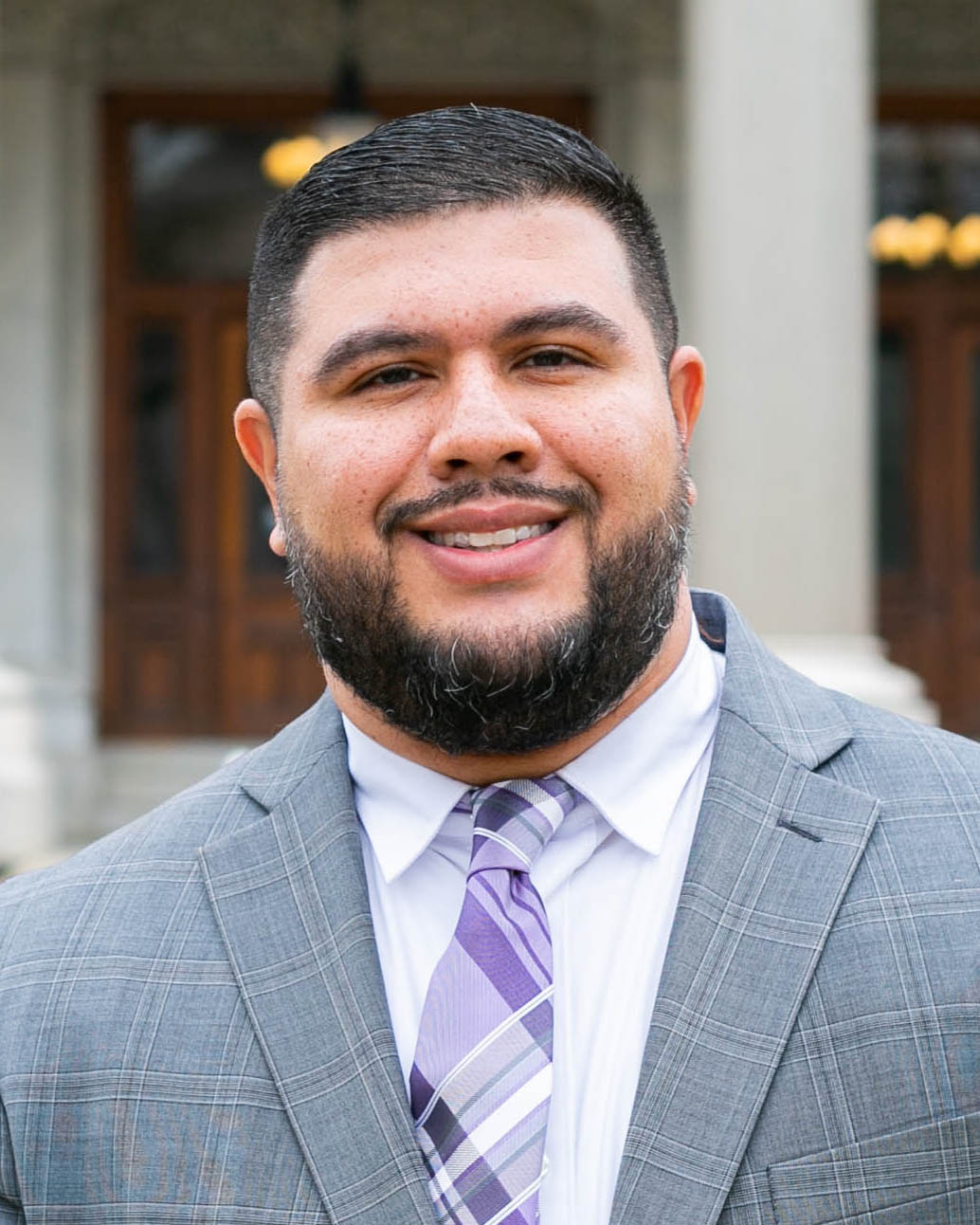
Rep. Christopher Rosario
Sponsored bills
Maddy summaryHB 5098 requires Connecticut state agencies to give preference to licensed electricians and their apprentices who are located within the state when selecting contractors for public building construction, remodeling, or repairs. It directly affects state procurement decisions for public works projects involving electrical work. The bill mandates that contractors must be licensed electricians based in Connecticut to qualify for this preference. This policy change applies specifically to electrical work on state-owned buildings and public infrastructure projects.
Maddy summaryHB 5083 would allow candidates for municipal offices (like mayors or city council members) to access publicly funded campaign financing through the existing Citizens' Election Program. It also creates grants for towns and cities that choose to implement ranked-choice voting for local elections, specifically to cover voter education and outreach costs. The bill directly affects municipal candidates seeking public financing and local governments adopting ranked-choice voting systems. It does not require municipalities to adopt ranked-choice voting but provides financial support for those that do. This changes how local election systems are funded and supported, without altering voting mechanics.
Maddy summaryHB 5096 allows the state to withhold payments from contractors who violate prevailing wage laws, directly affecting construction contractors working on state projects. It expands public works project opportunities specifically for plumbers and pipefitters by requiring more such projects to be awarded to these trades. The bill amends state law to let the state withhold payments for violations and explicitly broadens access to public works contracts for these skilled workers. This policy change targets enforcement of wage standards and increases job opportunities for plumbing and pipefitting professionals in state-funded construction.
Maddy summaryHB 5092, introduced by Rep. Rosario (128th District), aims to amend section 20-332b of the general statutes to establish "safe and successful apprenticeship hiring ratios." The bill's text provides no specific details about current ratios, proposed changes, or affected industries. It is referred to the Labor and Public Employees Committee but lacks concrete policy language in the provided text. Without additional details on the ratio requirements or scope, a substantive summary of the bill's provisions cannot be created.
Maddy summaryHB 5101 establishes a task force to examine solutions for interconnected health, environmental, and economic disparities. The task force will study methods to address these overlapping challenges, focusing on communities affected by systemic inequities. It does not create new laws or allocate funding but directs state agencies to convene the group and report findings. The bill specifically targets disparities in public health outcomes, environmental exposure, and economic opportunity. The task force’s recommendations would inform future policy decisions, but the bill itself only creates the study group.
Maddy summaryHB 5104 removes a requirement that police departments and fire departments in Connecticut must demand U.S. citizenship for employment as officers or firefighters. It directly affects lawful permanent residents (green card holders) under federal law who are currently barred from these public safety roles due to citizenship rules. The bill amends state statutes to prohibit such citizenship requirements, permitting eligible residents to be hired as police officers or firefighters. This changes existing hiring practices without creating new benefits or funding, focusing solely on removing a barrier to employment.
Maddy summaryHB 5038 expands Connecticut's existing Flyte medical weight loss program, which previously covered state employees, to include HUSKY Health plan members (Medicaid recipients) who are at risk of diabetes or have severe obesity. The bill requires the program to provide access to FDA-approved weight loss medications (like GLP-1 agonists), medical professional support, dietitians, and digital tools like the Intellihealth Evolve app, while excluding unapproved compounded medications. It mandates adequate funding, a public awareness campaign, and annual assessments of clinical outcomes and cost-effectiveness by the Department of Social Services. This policy change directly affects low-income Medicaid members meeting specific health criteria, aiming to improve health outcomes and reduce long-term state health costs.
Maddy summaryHB 5035 bans the use, sale, and distribution of products containing high fructose corn syrup (HFCS) in state government buildings/offices, correctional facilities, public schools, and colleges/universities. This directly affects all state-operated institutions and facilities listed in the bill, including staff, students, and visitors in those locations. The key provision requires these venues to eliminate HFCS-containing items from food and beverage offerings. The stated purpose aims to promote healthier environments and reduce long-term healthcare costs through this specific dietary restriction.
Maddy summaryHB 5060 would change how Connecticut funds public transit by requiring that Greater Bridgeport Transit receive funding based on its actual ridership numbers and the geographic area it serves. This amendment to the current funding formula directly affects the Greater Bridgeport Transit system and its riders, ensuring their budget aligns more closely with service demand. The bill does not create new services but adjusts existing funding mechanisms to reflect the transit system's operational scale.