

Maddy summaryHB 5105 establishes the Connecticut Pueblo Project, a pilot program providing culturally relevant academic support, mentorship, and leadership development to Latina, Latino, and Puerto Rican students in Connecticut. The bill directly affects these students by offering targeted resources to improve academic success, simplify college transfer processes, and support long-term career goals. Key provisions include creating a structured program within the education system to deliver these services through culturally informed approaches. The program is designed as a pilot, meaning it will test this model before potential expansion.
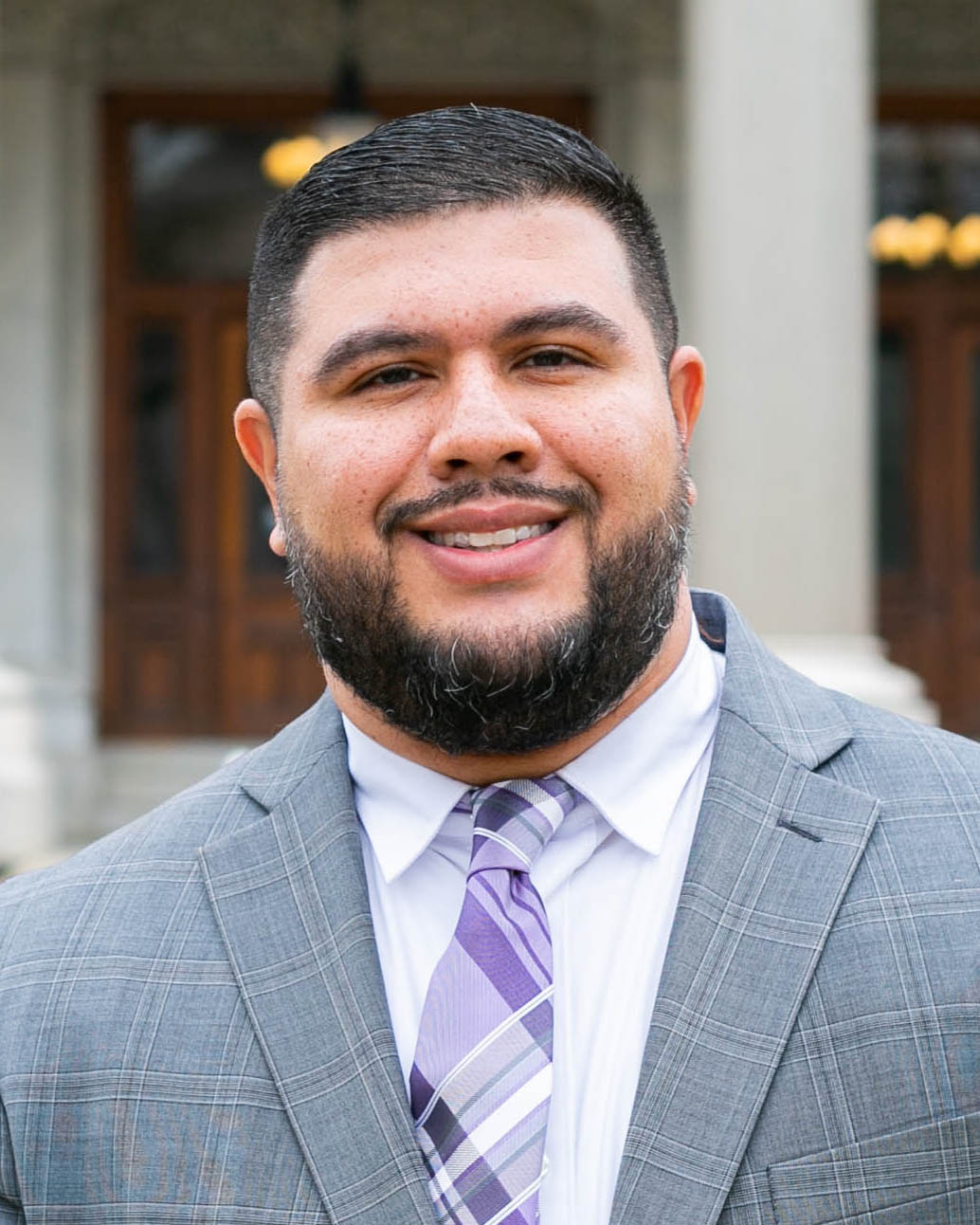
Rep. Christopher Rosario
Sponsored bills
Maddy summaryHB 5110 allows state legislators to use social media advertising instead of physical mailings for official communications with constituents. It directly affects all members of the General Assembly by giving them the option to purchase digital ads on platforms like Facebook or X to share legislative updates. The bill amends existing law to permit this digital alternative for routine outreach, modernizing how lawmakers connect with voters. This change applies only to official legislative communications, not campaign activities, and aims to improve constituent engagement through updated technology.
Maddy summaryHB 5106 would allow Connecticut public school students in grades K-12 to miss school for Three Kings Day without it counting as an unexcused absence. The bill requires the State Board of Education to update school absence definitions to specifically include Three Kings Day as an excused absence. This change directly affects students, families, and schools by formally recognizing the cultural and religious observance. The bill does not alter school schedules or funding, only updating absence policy to align with the holiday's significance.
Maddy summaryHB 5076 requires all new and existing AI data centers in Connecticut to use at least 50% renewable energy, implement water conservation measures, and report annual energy/water consumption and emissions. It mandates the use of energy storage systems and modern grid infrastructure as part of efficiency standards. The bill also provides tax credits, grants, and research funding to support the development of compliant data centers. This law directly affects AI data center operators by setting concrete environmental performance requirements.
Maddy summaryHB 5099 lowers the total cost threshold for public construction projects requiring prevailing wages from $1 million to $250,000. This means more smaller public works projects (like local school repairs or road improvements under $250,000) will now be subject to prevailing wage laws, directly affecting contractors and workers on those projects. The key change is a straightforward reduction in the cost threshold that triggers the prevailing wage requirement. The bill does not alter the prevailing wage rate itself, only the project size that must comply. (Bill: HB 5099, Title: AN ACT LOWERING THE PREVAILING WAGE TOTAL COST THRESHOLD FOR NEW CONSTRUCTION)
Maddy summaryHB 5095 requires Connecticut's Labor Department to increase inspections of required licenses, job site safety conditions, and payroll records. This bill directly affects workers and employers by strengthening oversight of workplace compliance. The key provision mandates the Labor Department to expand its review of these three specific areas during workplace investigations. The legislation focuses on concrete enforcement changes without altering existing labor laws or creating new penalties.
Maddy summaryHB 5094 amends Connecticut law to strengthen prevailing wage requirements for public construction projects and increase the cost threshold triggering those requirements. The bill raises the total project cost limit that determines which public construction projects must pay prevailing wages to workers, meaning more projects will now be exempt from these wage rules. It directly affects construction workers on public projects and state/local government agencies managing construction contracts. The key change is increasing the cost threshold, shifting which projects must comply with prevailing wage standards. This policy adjustment changes the scope of existing wage protections without altering the wage rates themselves.
Maddy summaryHB 5091 bans the use of nutraloaf or similar punitive diets as punishment in state correctional facilities. It directly affects incarcerated people, prohibiting this specific disciplinary tactic. The bill requires correctional facilities to provide nutritious and palatable meals to all inmates, and mandates the Commissioner of Correction to ensure this standard is met. This is a concrete policy change focused on meal quality, not speculative outcomes.
Maddy summaryHB 5093 requires state agencies and recipients of state grants or renewable energy contracts to use project labor agreements (pre-negotiated labor agreements covering wages, benefits, and working conditions) for certain construction projects. It directly affects state-funded construction projects involving renewable energy and grant recipients who receive state funding. The bill amends statutes to mandate these agreements as a condition for receiving state grants or entering renewable energy contracts. This policy change shifts contracting requirements toward pre-negotiated labor terms for specific state-funded projects.
Maddy summaryHB 5090 amends the Trust Act to remove a legal barrier preventing the detention or transfer of individuals subject to civil immigration detainers who have been convicted of serious offenses posing significant public safety risks. This bill directly affects non-citizens in immigration custody who have committed qualifying criminal convictions. The key provision deletes existing statutory language that previously blocked local law enforcement from cooperating with federal immigration authorities in these specific cases. The change allows local authorities to detain and transfer such individuals to federal custody when they meet the defined criteria of serious criminal offenses. The bill focuses solely on modifying this specific legal restriction without altering broader immigration enforcement policies.