

Maddy summaryHB 5325 would redirect a portion of existing Supplemental Nutrition Assistance Program (SNAP) benefits toward drug counseling services for individuals receiving SNAP who have been convicted of a drug-related felony. The bill does not change SNAP eligibility or benefit amounts but uses a small portion of allocated funds to fund counseling programs for this specific group. It directly affects SNAP beneficiaries with drug felony convictions in Connecticut, requiring state agencies to allocate these redirected funds. The policy change is limited to reallocating current SNAP resources, not creating new funding or altering program rules.
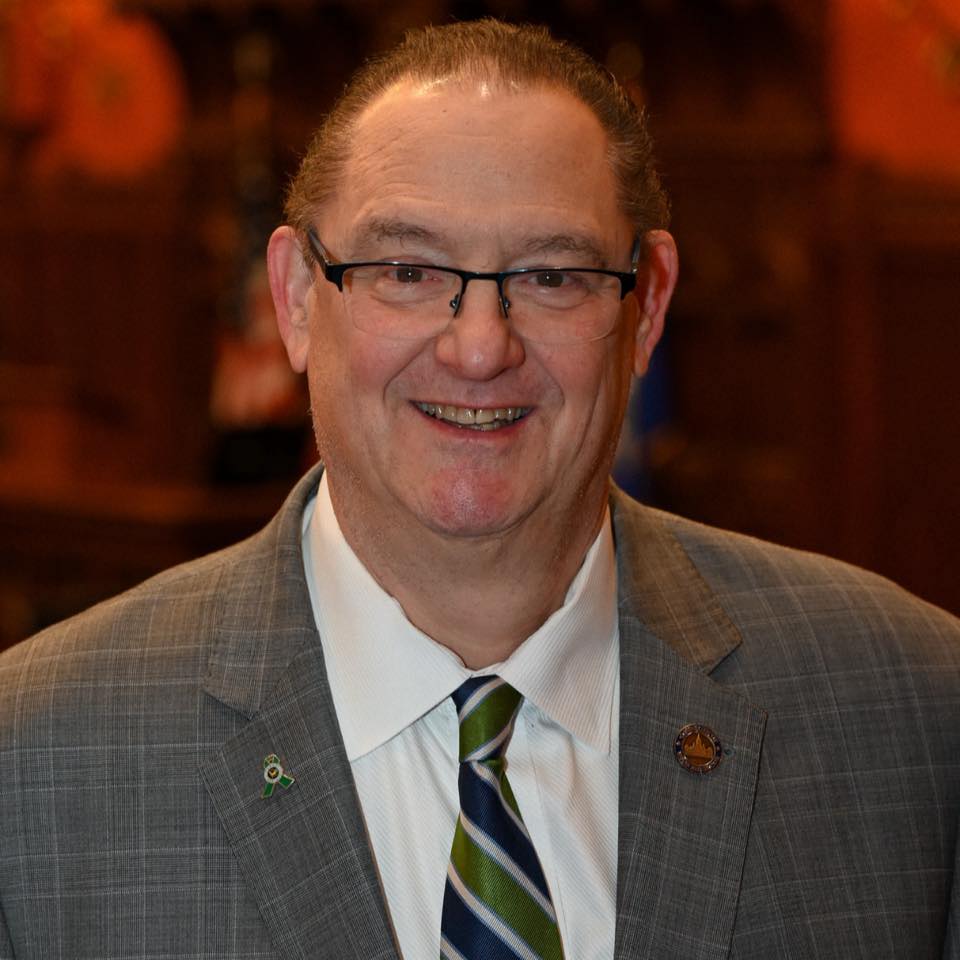
Rep. Mitch Bolinsky
Sponsored bills
Maddy summaryHB 5317 limits the "Passport to the Parks" motor vehicle registration fee to one charge per household, regardless of how many vehicles a household owns. This directly affects households with multiple vehicles that would otherwise pay the fee for each car. The bill amends existing law to ensure the fee is assessed only once per household, rather than per vehicle. The purpose is to provide cost savings for vehicle owners by preventing multiple fee charges for the same household.
Maddy summaryHB 5326 would require Connecticut's Medicaid program to automatically adjust payment rates for healthcare providers (like doctors and clinics) each year based on the state's minimum wage increase, which itself tracks inflation. This directly affects healthcare providers who treat Medicaid patients by ensuring their reimbursement rates rise alongside the cost of living and wages. The bill amends state law to link Medicaid payment adjustments to the annual minimum wage adjustment rate specified in section 31-58 of the general statutes. The change aims to prevent Medicaid payments from falling behind rising costs for providers over time.
Maddy summaryHB 5338 would require the state Department of Public Health to establish a licensing system for dance/movement therapists. This bill directly affects therapists who practice in the state, as they would need a license to work legally. The key provision mandates the Department of Public Health to develop and administer this licensing process, including setting qualifications and standards. The bill does not specify exact requirements but creates a framework for regulating this profession.
Maddy summaryHB 5348 requires the Connecticut Department of Transportation to install a pedestrian and bicycle crossing at grade (same level as tracks) over the Housatonic Railroad in Newtown. The bill directs the town of Newtown to cover all installation and maintenance costs, and amends state law to define the Housatonic Railroad as an "owner" under recreational use protections and include this crossing in the definition of "recreational purpose." It directly affects pedestrians, bicyclists, and the Housatonic Railroad, while excluding motor vehicles from using this specific crossing. The key change is creating a dedicated safe crossing point for non-motorized users at a specific location, with Newtown bearing the financial responsibility.
Maddy summaryHB 5350 directs the Commissioner of Transportation to study whether adding an extra lane on both directions of Interstate 84 (from Danbury exit 7 to Waterbury exit 20) would be feasible. The study aims to assess if this change could reduce traffic congestion on this specific highway segment. This bill does not fund or authorize construction - only requires a feasibility analysis. It directly affects transportation planning for commuters and drivers using this I-84 corridor between Danbury and Waterbury.
Maddy summaryHB 5349 permits the use of automated cameras (traffic enforcement devices) on limited-access highways to monitor and enforce proper lane usage by drivers. It directly affects drivers traveling on highways like interstates or expressways, as these devices would issue tickets for violations such as improper lane changes. The bill's key mechanism allows automated systems - instead of police officers - to detect and enforce lane discipline, aiming to reduce accidents and congestion. The stated purpose is to improve road safety and traffic flow by addressing lane-related violations through technology.
Maddy summarySB 673 allows the town of Newtown to use a specific parcel of land (located at 6 Commerce Drive) for open space and recreational purposes instead of the economic development required by the original 2004 state deed. This bill amends a deed restriction that previously mandated the land be used for economic development. The change directly affects Newtown's ability to manage this 2004-conveyed property. The bill does not alter land ownership or create new funding, only modifies the permitted use as specified in the deed.
Maddy summaryHB 5260 would prohibit the nonagricultural use of neonicotinoid insecticides, allowing their use only on agricultural plants like food crops. It would make it illegal to possess, use, or sell these chemicals for any purpose outside farming, including residential gardening, lawn care, or commercial landscaping. This directly affects homeowners, garden centers, and pest control businesses that currently use neonicotinoids in non-farming settings. The bill does not restrict neonicotinoid use in agriculture but eliminates all other applications.
Maddy summaryHB 5291 requires a two-thirds vote in both the state Senate and House to create or expand new costs imposed on municipalities and school districts without state funding. This bill directly affects local governments and school systems by making it harder for the state legislature to pass laws that force them to pay for new services or requirements. The key change is amending the law to raise the voting threshold from a simple majority to a supermajority for any bill that adds unfunded obligations to local entities. This policy change aims to prevent sudden, unexpected financial burdens on communities without prior legislative consensus.