Issue · Healthcare

Healthcare

Every healthcare bill, vote, and legislator stance in Connecticut, automatically classified by Maddy, our AI policy reader.

Total bills
165
2026 Regular Session
Top supporter
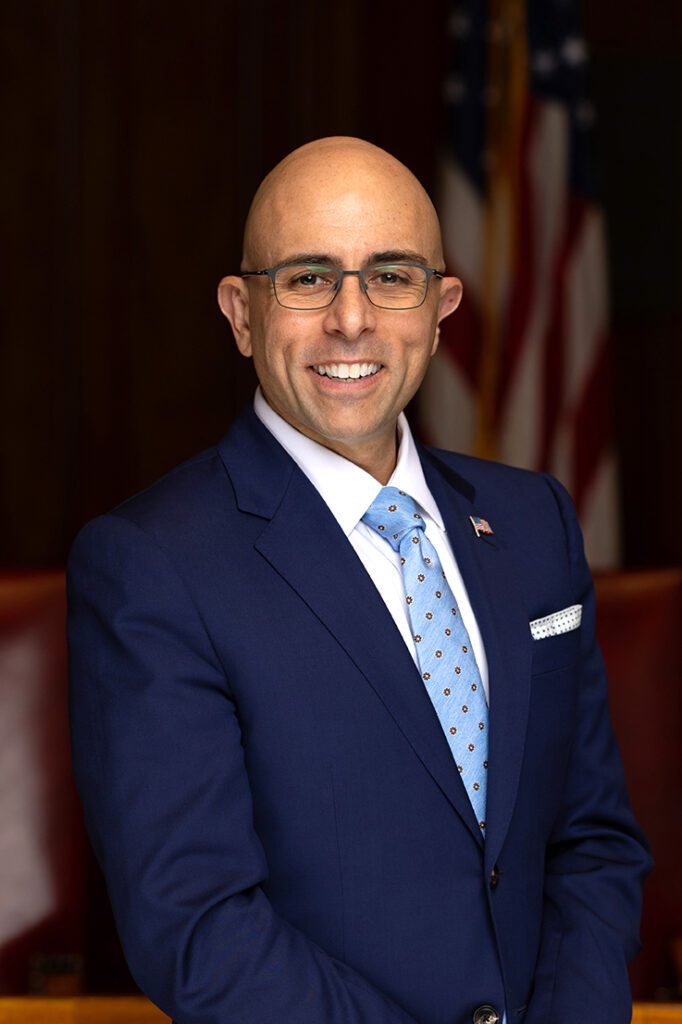
Jason Perillo
89% support rate
Top opponent
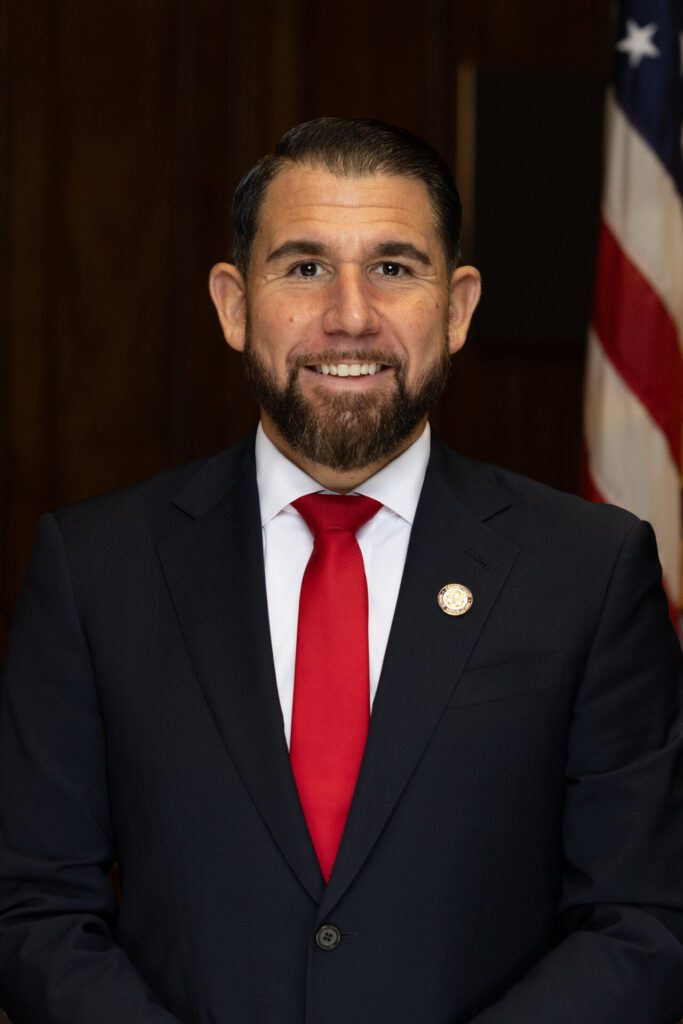
Donna Veach
14% support rate
Ranked legislators
10
5 support · 5 oppose
Key legislators

Who's moving healthcare in Connecticut

Legislators moving healthcare in Connecticut
Legislator Party Stance Support rate Votes
Jason Perillo
Jason Perillo Senate · District 21
R
Strong +
89% 48
Heather Somers
Heather Somers Senate · District 18
R
Strong +
84% 48
Jeff Gordon
Jeff Gordon Senate · District 35
R
Strong +
84% 47
Paul Cicarella
Paul Cicarella Senate · District 34
R
Strong +
84% 48
John Kissel
John Kissel Senate · District 7
R
Strong +
84% 47
Donna Veach
Donna Veach House · District 30
R
Strong −
14% 30
Karen Reddington-Hughes
Karen Reddington-Hughes House · District 66
R
Strong −
14% 30
John Fonfara
John Fonfara Senate · District 1
D
Strong −
17% 47
Matt Lesser
Matt Lesser Senate · District 9
D
Oppose
21% 48
Saud Anwar
Saud Anwar Senate · District 3
D
Oppose
21% 48
Showing 51–60 of 165 bills

All healthcare bills

in committee · Connecticut · House Apr 14, 2026

HB 5357: AN ACT CONCERNING RESIDENTIAL CARE HOME RATES, FAIR RENT AND ADMINISTRATOR SALARIES.

HB 5357 revises Connecticut's reimbursement rules for residential care homes receiving state funding. It sets a new $75,000 annual base salary for facility administrators (effective October 2025), establishes a minimum daily reimbursement rate of $3.10, and adjusts how property additions are compensated. These changes apply to all residential care homes participating in the state's funding program. The bill takes effect July 1, 2026.
in committee · Connecticut · House Apr 8, 2026

HB 5322: AN ACT CONCERNING A WORKING GROUP REGARDING ENDOMETRIOSIS.

HB 5322 establishes an endometriosis working group within Connecticut's Legislative Department to evaluate current methods for diagnosing, treating, and educating healthcare providers about endometriosis. The group, appointed by the House chairperson of the human services committee, will assess best practices and provide recommendations to improve care for patients. It must submit annual reports starting January 1, 2027, to relevant legislative committees on public health and human services. This bill does not create new laws or funding but focuses on studying existing approaches to address endometriosis care gaps.
in committee · Connecticut · House Apr 7, 2026

HB 5302: AN ACT CONCERNING ASSET LIMITS FOR HUSKY C BENEFICIARIES.

This bill increases the asset limits for Connecticut's HUSKY C health program, which provides coverage to low-income residents. It raises the maximum allowable assets from $1,600 to $5,000 for unmarried individuals and from $2,400 to $7,500 for married couples. The change, effective July 1, 2026, directly affects current and future HUSKY C beneficiaries who previously exceeded the lower thresholds. The Commissioner of Social Services must also report by July 2027 on eligibility changes and any increased state costs resulting from the new limits.
in committee · Connecticut · Senate Feb 17, 2026

SB 211: AN ACT APPROPRIATING FUNDS TO INVESTIGATE AND ENFORCE CONDUCT RELATING TO HEALTH INSURANCE PRACTICES.

SB 211 appropriates $5 million from the General Fund to the Attorney General's office for fiscal year 2027. This funding expands the office's capacity to investigate and enforce actions by health insurance companies (referred to as "health carriers") that impact healthcare access, inflate consumer costs, or violate federal/state law. The bill requires the Attorney General to submit a report to relevant legislative committees by February 1, 2028, summarizing all investigations or enforcement actions taken. The measure directly affects health insurance carriers and the Attorney General's office, with no new regulatory requirements for insurers beyond existing enforcement authority.
Sub-Topics State Budget Insurance
in committee · Connecticut · House Feb 23, 2026

HB 5267: AN ACT CONCERNING ELIGIBILITY FOR INCAPACITY BENEFITS UNDER THE WORKERS' COMPENSATION ACT.

HB 5267 modifies Connecticut's workers' compensation law to clarify eligibility for incapacity benefits. It specifically prohibits employees who have elected to retire from receiving benefits if they later experience an injury or illness that causes incapacity. The key provision (Section 31-307(a), effective October 1, 2026) states that retirement eligibility eliminates future benefit claims for work-related incapacity. This directly affects workers who retire and then suffer work-related injuries, removing their access to weekly compensation payments under the current system.
in committee · Connecticut · Senate Feb 4, 2026

SB 16: AN ACT CONCERNING FUNDING FOR THE EASY BREATHING ASTHMA PROGRAM.

SB 16 allocates $500,000 from the General Fund to the Department of Public Health for the Easy Breathing Asthma Program during the 2026-2027 fiscal year. The bill directly funds this program, which supports asthma management services for residents. It provides no new policy requirements or program changes - only a specific funding appropriation to sustain existing services. The bill is purely financial, with no additional mechanisms or beneficiary details specified.
in committee · Connecticut · Senate Feb 4, 2026

SB 48: AN ACT AUTHORIZING BONDS OF THE STATE FOR THE PURCHASE OF AUTOMATIC EXTERNAL DEFIBRILLATORS AT SCHOOLS.

SB 48 authorizes the state to issue up to $250,000 in bonds to fund automatic external defibrillators (AEDs) for public schools. The Department of Education will distribute grants to schools using these bond proceeds to purchase AEDs, which are life-saving devices for cardiac emergencies. This bill directly affects all public schools in the state by providing funding to equip them with critical cardiac response equipment. The measure focuses solely on creating a funding mechanism, with no new requirements or regulations for schools beyond the grant program.
signed · Connecticut · Senate Jun 4, 2026

SB 191: AN ACT CONCERNING THE PSYCHEDELIC-ASSISTED THERAPY PILOT PROGRAM.

SB 191 establishes a state-run pilot program for psychedelic-assisted therapy using MDMA and psilocybin, effective July 1, 2026. It directly affects qualified patients in Connecticut who are 18+ and meet specific criteria (veterans, retired first responders, or healthcare workers), providing them access to therapy administered by a state-selected medical school. The program requires federal FDA approval under 21 CFR 312 for research purposes and will terminate once MDMA/psilocybin receive DEA approval for medical use. The bill repeals an existing statute and creates a structured framework for this therapeutic pilot program.
in committee · Connecticut · Senate Feb 5, 2026

SB 88: AN ACT REQUIRING INSURANCE COVERAGE FOR SCALP COOLING.

SB 88 requires health insurance policies covering chemotherapy to also cover scalp cooling systems, which prevent hair loss during cancer treatment. It applies to individual and group health insurance plans issued in the state on or after January 1, 2027, directly affecting cancer patients receiving chemotherapy and insurers. The bill mandates that coverage for scalp cooling must be at least as comprehensive as Medicare’s coverage, prohibiting stricter copayments, deductibles, or coinsurance than for other covered benefits. Insurers may still require prior authorization for scalp cooling, but only under the same conditions applied to other covered treatments.
Sub-Topics Insurance Medicare
in committee · Connecticut · House Mar 31, 2026

HB 5403: AN ACT CONCERNING HEALTH INSURANCE COVERAGE FOR SURVIVORS OF UNPAID VOLUNTEER FIREFIGHTERS AND STATE MARSHALS.

HB 5403 ensures health insurance coverage for survivors of certain public safety workers killed in the line of duty. It requires nonstate public employers to continue health coverage for survivors of unpaid volunteer firefighters, correction officers, or state marshals for one year (renewable annually up to five years) if coverage existed before death. If no coverage existed, employers must help survivors enroll in a partnership plan under the Comptroller’s program for up to five years. The bill specifically defines "unpaid volunteer firefighter" and expands eligibility under existing health insurance provisions for these workers’ survivors.
Sub-Topics Insurance
Showing 51 to 60 of 165 bills
Previous 1 5 6 7 17 Next