

Maddy summaryHR 869, the Keep Our PACT Act, mandates specific annual funding levels for two key education programs: Title I of the Elementary and Secondary Education Act (ESEA) and the Individuals with Disabilities Education Act (IDEA). For Title I, it requires funding in fiscal years 2026-2035 that equals the difference between the 2025 funding level and set annual dollar targets (e.g., $20.5 billion for 2026). For IDEA, it sets mandatory annual funding levels that gradually increase to reach 40% of the national average per-pupil expenditure for students with disabilities by 2035. The bill directly affects public school districts and students, particularly those with disabilities, by guaranteeing these funding levels rather than relying on annual appropriations.
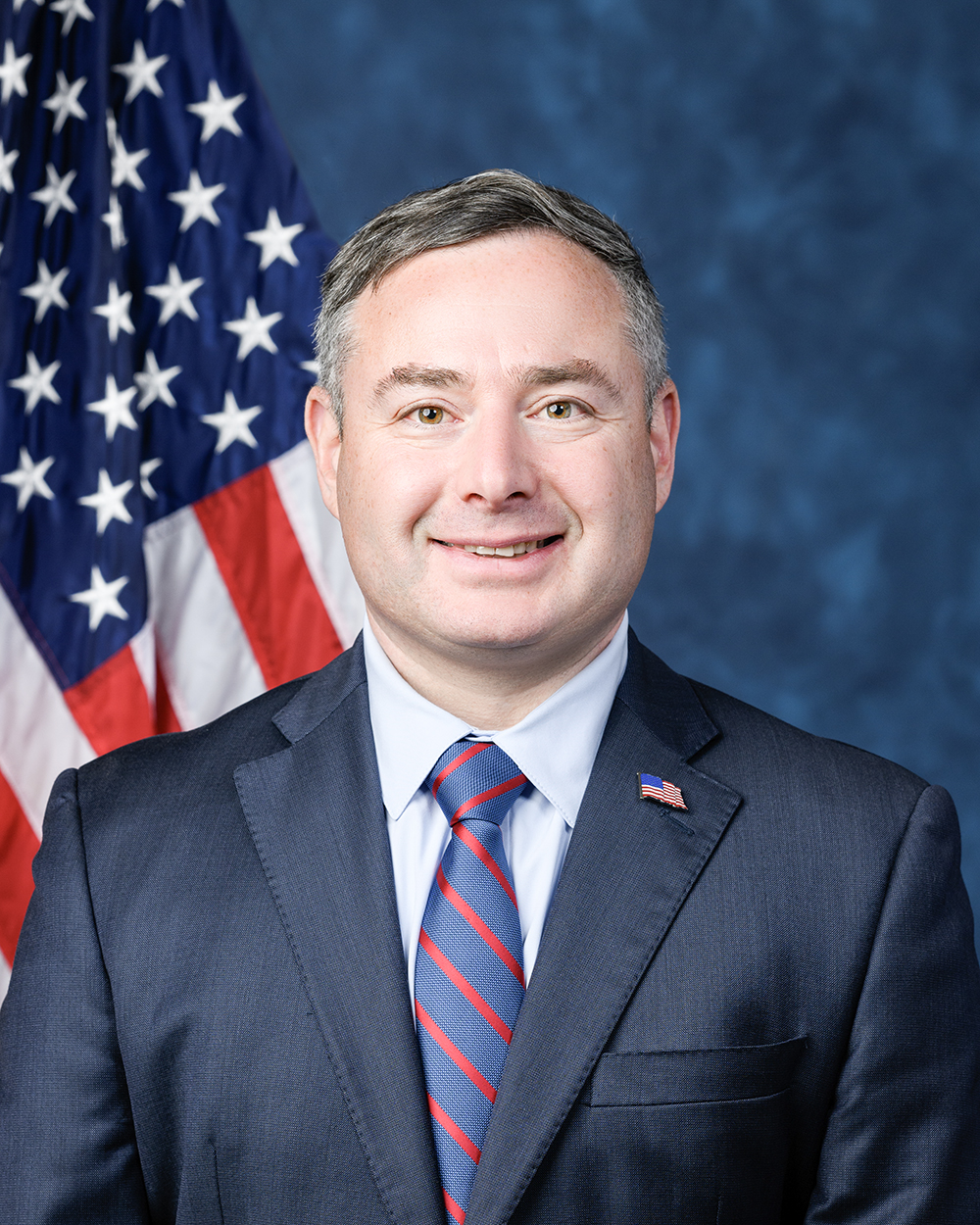
Rep. Eugene Simon Vindman
Sponsored bills
Maddy summaryThis bill requires federal agencies that haven't met a specific goal for awarding contracts to service-disabled veteran-owned small businesses to provide employee training on increasing such contracts. The Small Business Administration, working with the Office of Veterans Business Development, must issue guidance on best practices within 180 days and submit annual reports to Congress listing agencies that missed the target and detailing their training. It directly affects federal agencies with underperforming contracting records and aims to improve opportunities for service-disabled veteran-owned small businesses. The policy focuses on accountability through training, guidance, and reporting rather than altering existing contracting rules.
Maddy summaryHR 863, the National Human Trafficking Database Act, requires state law enforcement and public health agencies to collect and report human trafficking data to the federal government. Covered state agencies must gather annual data on prosecutions, survivor services, anti-trafficking organization locations, and anonymized trafficking trends by county, then submit it to the Justice Department. The data will be published online in a public database showing county-level rates, top trafficking areas, and federal prosecution numbers, while strictly protecting survivor identities. States will receive $50 million annually in grants to support this data collection effort. The law mandates confidentiality for survivors and prohibits using the data for funding decisions or publicizing personal details.
Medicare Patient Access and Practice Stabilization Act of 2025 This bill increases certain payment adjustments under the Medicare physician fee schedule for services furnished between April 1, 2025, and January 1, 2026.
Maddy summaryThis resolution expresses the House of Representatives' position that Congress should take steps to prevent the privatization of the United States Postal Service (USPS), ensuring it remains a federal independent agency. It highlights USPS’s constitutional role, self-sustaining nature (relying on service revenue, not taxpayer funds), and critical functions - serving 168 million addresses daily, supporting rural communities, and underpinning e-commerce. The resolution opposes privatization, noting it would raise prices, reduce services, and harm the $1.9 trillion mailing industry. As a non-binding resolution, it reflects the House’s stance but does not create new law or policy.
Sustainable Cardiopulmonary Rehabilitation Services in the Home Act This bill permanently allows services relating to cardiac rehabilitation programs, intensive cardiac rehabilitation programs, and pulmonary rehabilitation programs to be furnished via telehealth at a beneficiary's home under Medicare.
Maddy summaryThe STAR Act of 2025 adds a 25% tax credit for qualified semiconductor design expenses incurred by U.S. companies. It directly affects businesses conducting semiconductor design in the United States, covering both in-house costs (like wages and supplies for U.S. design work) and contracted design services. The credit excludes duplicating existing products, cosmetic design, or activities unrelated to performance or reliability improvements. This incentive expires for design expenses paid after December 31, 2036.
Maddy summaryHR 807, the Public and Private Sector Ransomware Response Coordination Act of 2025, requires the Treasury Secretary to submit a report to Congress within one year of enactment. The report will examine current coordination between government agencies and financial institutions during ransomware attacks, assess whether financial institutions timely share attack information with authorities, and evaluate if better reporting mechanisms are needed. This bill directly affects financial institutions by focusing on how they report ransomware incidents and how government agencies use that information, without creating new laws or funding.
Mentoring to Succeed Act of 2025 This bill establishes grants to support mentoring programs for eligible youth (e.g., in-school youth, out-of-school youth, or youth who are failing academically or who meet specified criteria). Specifically, the bill directs the Department of Labor to award competitive grants for certain community-based organizations or partnerships involving community-based organizations to (1) establish, expand, or support mentoring programs; (2) assist eligible youth enrolled in secondary schools in developing cognitive and social-emotional skills; and (3) prepare eligible youth for success in high school, postsecondary education, and the workforce. Additionally, Labor must work with the Department of Justice's Office of Juvenile Justice and Delinquency Prevention and the Department of Education to (1) refer grant recipients to the National Mentoring Resource Center to obtain mentoring resources, and (2) provide grant recipients with information regarding transitional services for eligible youth returning from correctional facilities and transition services for students with disabilities. The bill also requires Labor's Chief Evaluation Office to study and report on mentoring programs.
Maddy summaryHR 717 establishes a grant program to fund projects improving habitat connectivity for migratory wildlife, primarily benefiting big game species like deer, elk, and pronghorn. The bill provides federal funding (with up to 90% federal share) for states, tribes, nonprofits, and landowners to implement habitat improvements such as fence modifications, wildlife crossings, and habitat restoration in identified movement areas. Projects must include support from state or tribal wildlife agencies, and at least 50% of funding must target big game movement areas. The program coordinates with existing initiatives like the Migratory Big Game Initiative and requires annual reporting on conservation outcomes.