Issue · Healthcare

Healthcare

Every healthcare bill, vote, and legislator stance in Colorado, automatically classified by Maddy, our AI policy reader.

Total bills
76
2026 Regular Session
Top supporter
James Coleman
100% support rate
Top opponent
Ken DeGraaf
12% support rate
Ranked legislators
10
5 support · 5 oppose
Key legislators

Who's moving healthcare in Colorado

Legislators moving healthcare in Colorado
Legislator Party Stance Support rate Votes
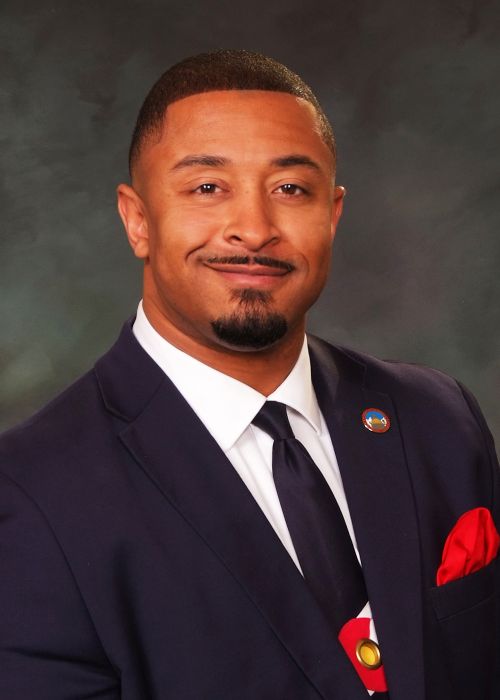
James Coleman
James Coleman Senate · District 33
D
Strong +
100% 7
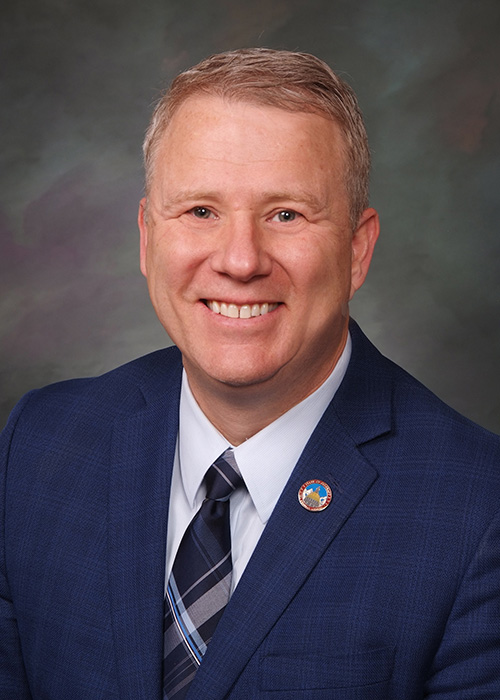
Nick Hinrichsen
Nick Hinrichsen Senate · District 3
D
Strong +
100% 15
Julie Gonzales
Julie Gonzales Senate · District 34
D
Strong +
93% 27
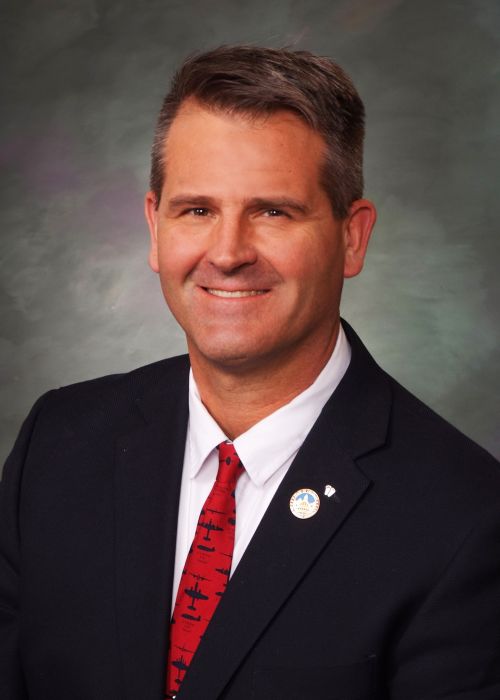
Jeff Bridges
Jeff Bridges Senate · District 26
D
Strong +
92% 25
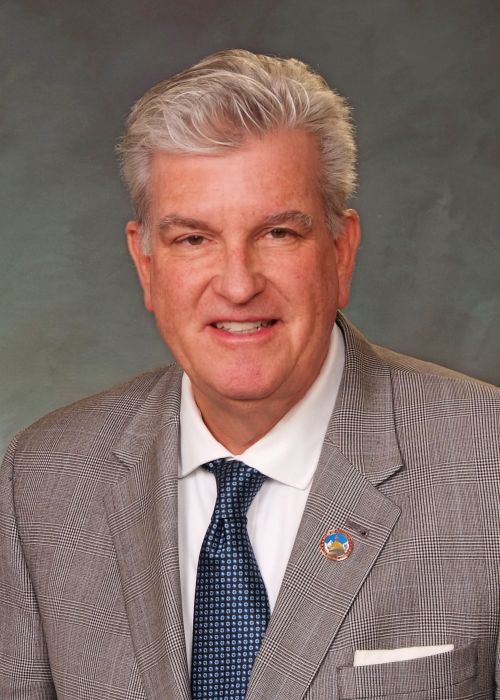
Chris Kolker
Chris Kolker Senate · District 16
D
Strong +
92% 36
Ken DeGraaf
Ken DeGraaf House · District 22
R
Strong −
12% 82
John Carson
John Carson Senate · District 30
R
Strong −
20% 13
Ron Weinberg
Ron Weinberg House · District 51
R
Oppose
21% 99
Max Brooks
Max Brooks House · District 45
R
Oppose
25% 117
Scott Bottoms
Scott Bottoms House · District 15
R
Oppose
25% 111
Showing 31–40 of 76 bills

All healthcare bills

signed · Colorado · House Jun 1, 2026

HB 1322: Civil Actions for Conversion Therapy Survivors

The act allows an injured person to bring a cause of action for claims of injury caused by sexual orientation or gender identity change efforts (efforts) against a licensed mental health professional and allows the cause of action to be commenced at any time without limitation.     Specifically, the act applies to a civil cause of action brought against a licensed mental health professional who seeks to direct a patient toward a predetermined sexual orientation or gender identity outcome or eliminate or reduce sexual or romantic attractions or feelings toward individuals of a particular sex or gender.     The act permits the injured individual, or the individual's personal representative or estate if the individual is deceased, to recover economic, noneconomic, and exemplary damages, and any other damages deemed appropriate by the court.     A cause of action may be brought as a survival action within 5 years after the death of the person who underwent efforts.(Note: This summary applies to this bill as enacted.)
signed · Colorado · House May 29, 2026

HB 1135: Transparency of Chemicals Used in Hair Products

On and after July 1, 2027, a manufacturer of a hair relaxer product or a hairpiece product (covered hair product) is prohibited from selling or distributing a covered hair product in the state that contains an intentionally added carcinogen or reproductive toxicant unless the covered hair product has a warning label that notifies the consumer that the covered hair product contains an intentionally added carcinogen or reproductive toxicant, which warning label must comply with certain requirements depending on whether the covered hair product contains an intentionally added carcinogen, an intentionally added reproductive toxicant, or both (warning label requirement).     The warning label requirement does not apply to a covered hair product that is sold or distributed to a commercial entity for professional use. On and after July 1, 2028, the attorney general may adopt rules updating the warning label requirement. A violation of the warning label requirement constitutes a deceptive trade practice.(Note: This summary applies to this bill as enacted.)
in committee · Colorado · Senate Apr 23, 2026

SB 130: Medical Spas Deceptive Trade Practices

The bill makes it an unfair or deceptive trade practice under the "Colorado Consumer Protection Act" for a facility or medical practice providing cosmetic, aesthetic, wellness, longevity, or lifestyle treatments involving the administration or use of prescription drugs, including injectable and sterile drug products (medical spa), to:Acquire or receive a prescription drug from a person not legally authorized to distribute or transfer the prescription drug;Fail to store, handle, prepare, or administer a prescription drug in accordance with manufacturer requirements, applicable federal and state law, or generally accepted standards of medical practice;Permit an individual to prescribe or administer prescription drugs outside the scope of the individual's state-issued credential;Fail to maintain reasonable safeguards to prevent contamination, diversion, theft, or misuse of prescription drugs;Represent that a prescription drug is safe or effective in a manner inconsistent with federal law or federal food and drug administration-approved labeling; has sponsorship, approval, characteristics, ingredients, uses, or benefits that it does not have; or is approved by the federal food and drug administration when it is not;Fail to designate a licensed health-care provider with prescriptive authority to provide clinical oversight of prescription drugs used at the medical spa; orFail to create, maintain, or produce to the attorney general or a district attorney records of serious adverse events involving patients.The attorney general or a district attorney may enforce a violation of a prohibited action specified in the bill. The attorney general may adopt rules to implement the bill.(Note: This summary applies to this bill as introduced.)
Sub-Topics Prescription Drugs
signed · Colorado · House Jun 2, 2026

HB 1262: Patient Access to Compounded Medical Items

The act provides that, if the action is undertaken in accordance with applicable federal and state law:A licensed person may compound a drug or device in the state;A state-licensed pharmacy or a distribution facility registered with the federal food and drug administration (licensed 503B outsourcing facility) may supply a compounded drug or device to a licensed health-care provider, pharmacy, facility, or organization; andA licensed health-care provider, pharmacy, facility, or organization may obtain, dispense, or administer a compounded drug or device supplied by a state-licensed pharmacy or a licensed 503B outsourcing facility.     In addition, the act prohibits the state board of pharmacy from adopting rules that are more restrictive than federal or state law regarding the compounding of drugs or devices by licensed 503B outsourcing facilities.     Current law exempts drugs that are intended solely for investigational use by experts qualified by scientific training and experience and that are plainly labeled for investigational use only from the sales and delivery prohibition for new drugs. The act also exempts from the prohibition:Drugs that are reviewed by an institutional review board and plainly labeled for investigational use only; andCompounded drugs and devices if the compounding of the drug or device is undertaken in accordance with applicable federal and state law.(Note: This summary applies to this bill as enacted.)
Sub-Topics Prescription Drugs
signed · Colorado · House May 4, 2026

HB 1305: Licensing of Behavioral Health Facilities

HB 1305 allows remote psychiatric inpatient facilities in Colorado to operate under a main hospital's general license instead of needing separate psychiatric hospital licensing, provided they meet specific criteria. These facilities must be located within 35 miles of a main hospital in a rural area, offer 17+ inpatient beds, meet all psychiatric hospital standards, and maintain federal provider-based status. The main hospital remains responsible for all licensing enforcement actions related to the remote location, and the facility must pay a separate licensing fee. This change aims to streamline operations while maintaining regulatory oversight through the main hospital's license.
signed · Colorado · House Mar 27, 2026

HB 1040: Sterilization Rights of Person with Disabilities

The act prohibits sterilization of a person with an intellectual and developmental disability without the person's informed consent if the person has decision-making capacity. The act prohibits sterilization of a person with an intellectual and developmental disability without the person's informed consent if the person does not have decision-making capacity, except in accordance with processes in existing law that allow another person with legal authority to make medical decisions for the person to consent on the person's behalf.     The act repeals provisions that:Explain what happens when there is a disagreement about whether an adult with an intellectual and developmental disability is capable of consenting to sterilization;Set forth a process for a person to petition a court for, and a court to order, sterilization of a person with an intellectual and developmental disability who either cannot consent or is a minor; andRequire all records, hearings, and proceedings related to a decision to sterilize a person with an intellectual and developmental disability to remain confidential.(Note: This summary applies to this bill as enacted.)
Tags People with Disabilities
passed · Colorado · House Apr 2, 2026

HB 1096: Colorado Medicaid Access to Primary Care Services

The bill prohibits the department of health care policy and financing (department) from denying a medicaid member (member) the ability to purchase primary care services or enter into a direct primary care agreement. A member who purchases direct primary care services from a direct primary health-care provider or enters into a direct primary care agreement must sign a document acknowledging that the direct primary health-care provider is enrolled in the Colorado medical assistance program only as an ordering, prescribing, and referring provider; that the direct primary health-care provider does not accept medicaid payments for the services rendered; that the member cannot submit a claim for medicaid reimbursement for the services rendered by the direct primary health-care provider; and that the member retains the right to receive primary care services from a primary care provider who is enrolled in the Colorado medical assistance program.(Note: This summary applies to the reengrossed version of this bill as introduced in the second house.)
Sub-Topics Medicaid Primary Care
in committee · Colorado · House Mar 24, 2026

HB 1092: Licensed Midwife Public Health Facility Privileges

The bill prohibits a public health facility from denying, restricting, or conditioning the granting, use, or exercise of full medical staff privileges to a certified nurse midwife or a certified midwife (licensee) engaged in independent practice within their scope of practice solely on the basis of their licensure. If granted, privileges extended to a licensee must include admitting and discharge privileges, be consistent with those of other medical staff, and permit a licensee to exercise the same voting rights as other members of the medical staff.(Note: This summary applies to this bill as introduced.)
signed · Colorado · House May 5, 2026

HB 1238: Designating Emergency Medical Services Essential Services

The act declares emergency medical services as an essential service in the state and an integral part of the state's health-care infrastructure.      The act also declares that emergency medical service providers, whether responding on duty or as a volunteer and regardless of location, provide essential services when providing emergency ambulance services and nonemergency ambulance services.      The act also updates certain definitions related to emergency medical services, including the addition of a definition of 'out-of-hospital services', which term is defined to mean the furnishing of necessary health-care goods and services outside of a hospital setting but does not include prehospital setting transports.     The act clarifies that an off-duty emergency medical service provider is not obligated to respond to the scene of a medical emergency or provide emergency medical services.(Note: This summary applies to this bill as enacted.)
Sub-Topics Hospitals Tags Emergency Management Public Safety
signed · Colorado · Senate Jun 2, 2026

SB 113: Require Recovery Residences to Obtain Behavioral Health Administration License

Current law requires a recovery residence operated in Colorado to be certified by a third-party certifying body, unless the recovery residence has been operating in Colorado for 30 or more years as of May 23, 2019.     Beginning July 1, 2027, the act requires a recovery residence to obtain a license from the behavioral health administration (BHA). The act sets forth application procedures and rules for minimum standards of operating a recovery residence. A recovery residence must report specified occurrences to the BHA, including occurrences that result in the death of or specified injury to a resident, involve abuse and neglect of a resident, involve misappropriation of a resident's property, or in which a resident's drugs are diverted for use by another person. Recovery residence licensing is subject to sunset review prior to its repeal in 2033.(Note: This summary applies to this bill as enacted.)
Sub-Topics Mental Health Substance Abuse Tags Licensing
Showing 31 to 40 of 76 bills
Previous 1 3 4 5 8 Next