Issue · Healthcare

Healthcare

Every healthcare bill, vote, and legislator stance in Colorado, automatically classified by Maddy, our AI policy reader.

Total bills
484
119th Congress
Top supporter
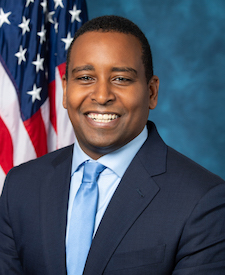
Joe Neguse
61% support rate
Top opponent
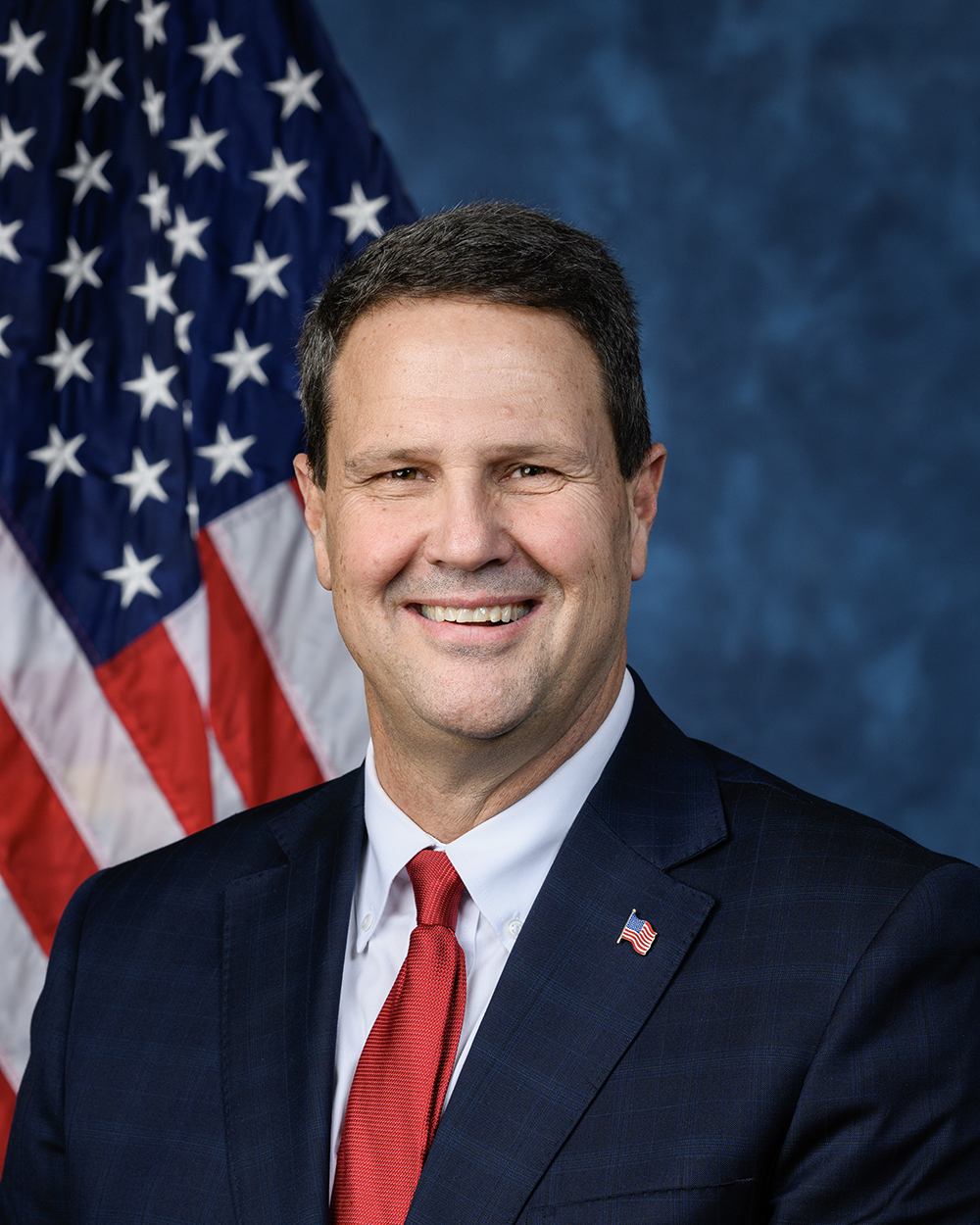
Jeff Crank
33% support rate
Ranked legislators
9
5 support · 4 oppose
Key legislators

Who's moving healthcare in Colorado

Legislators moving healthcare in Colorado
Legislator Party Stance Support rate Votes
Joe Neguse
Joe Neguse House · District 2
D
Support
61% 210
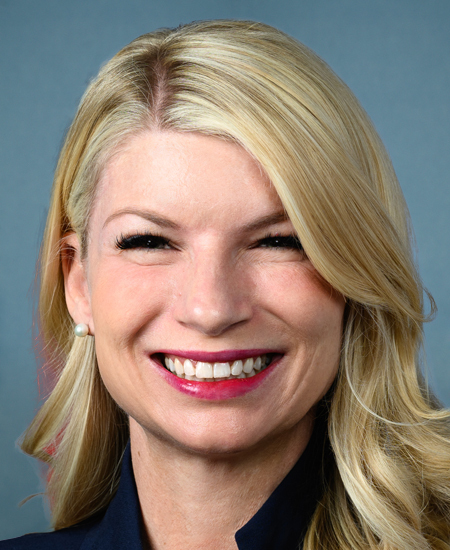
Brittany Pettersen
Brittany Pettersen House · District 7
D
Support
61% 185
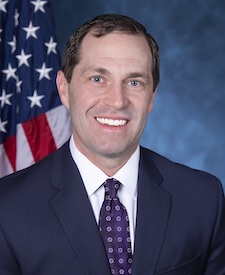
Jason Crow
Jason Crow House · District 6
D
Support
61% 211
Michael F. Bennet
Michael F. Bennet Senate
D
Mixed
59% 190
John W. Hickenlooper
John W. Hickenlooper Senate
D
Mixed
59% 223
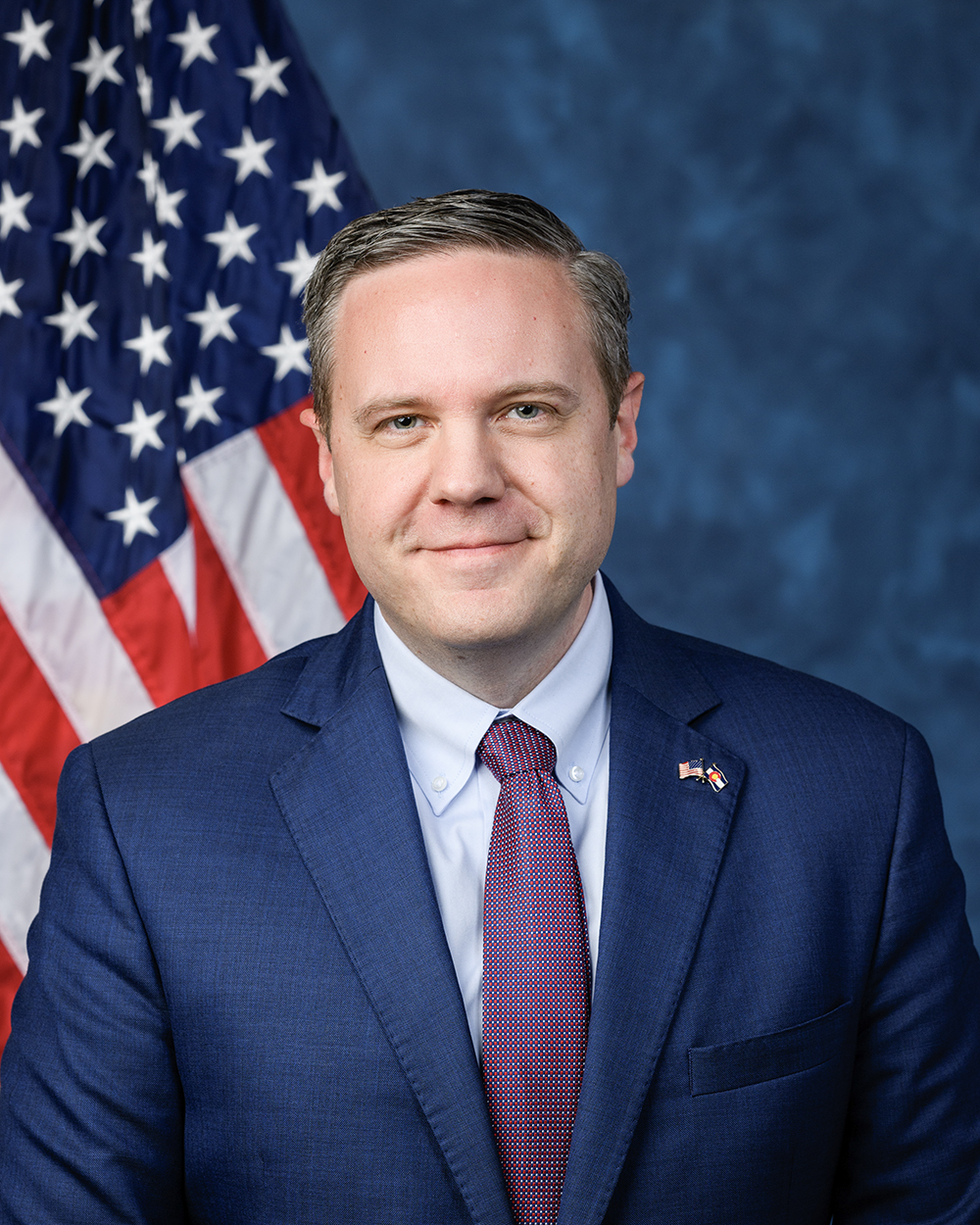
Jeff Crank
Jeff Crank House · District 5
R
Oppose
33% 210
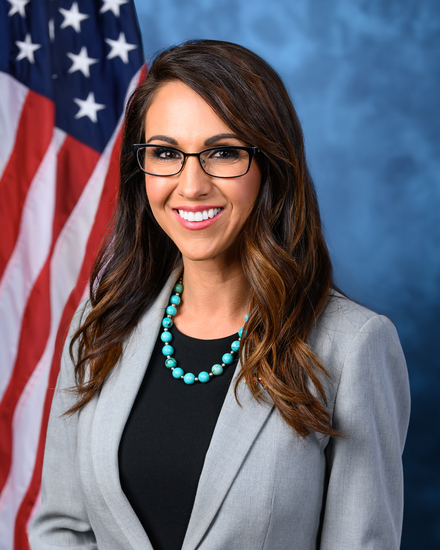
Lauren Boebert
Lauren Boebert House · District 4
R
Mixed −
41% 204
Jeff Hurd
Jeff Hurd House · District 3
R
Mixed −
44% 210
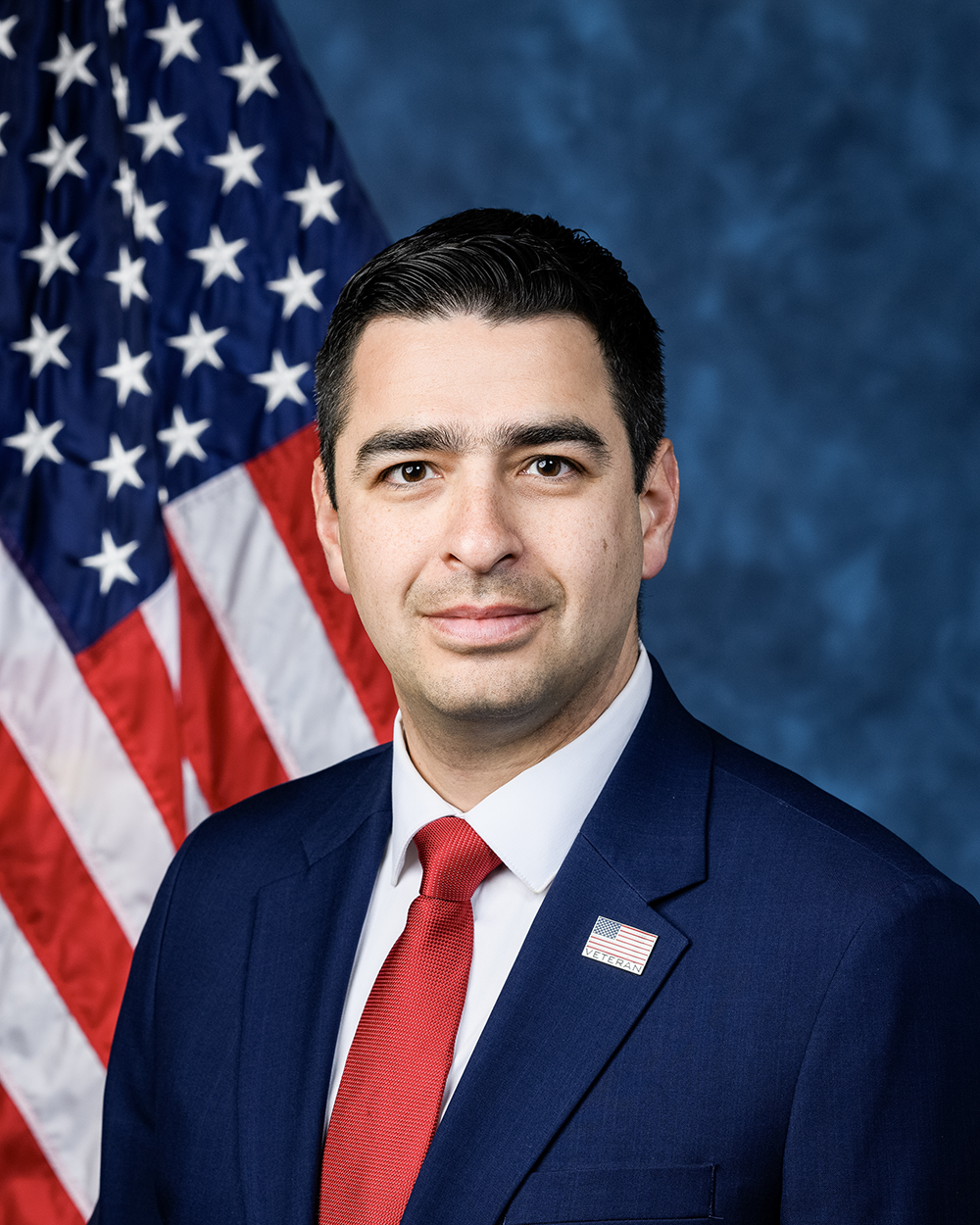
Gabe Evans
Gabe Evans House · District 8
R
Mixed −
44% 211
Showing 1–10 of 484 bills

All healthcare bills

in committee · United States · House Sep 8, 2026

HRES 1514: Recognizing suicide as a serious public health problem, expressing support for the designation of September 8, 2026, as "988 Day" and the role of the 988 Suicide and Crisis Lifeline, and for other purposes.

This House resolution formally recognizes suicide as a significant public health issue in the United States and highlights the impact of the 988 Suicide and Crisis Lifeline on individuals and communities. It commends the establishment of the 988 number as a nationwide three-digit dialing code for crisis support, noting its role in connecting people to mental health resources. The bill supports the designation of September 8, 2026, as "988 Day" to raise awareness about the service and promote access to mental health care. Additionally, it encourages continued public education and federal, state, and local efforts to expand crisis intervention programs for high-risk populations.
in committee · United States · House Sep 2, 2026

HR 10227: INSULIN Act of 2026

The INSULIN Act of 2026 mandates that group and individual health insurance plans cap out-of-pocket costs for selected insulin products at $35 per 30-day supply, effective for plan years beginning on or after January 1, 2028. This cost limit applies to a variety of insulin types and delivery devices, with the cap set at the lesser of $35 or 25 percent of the negotiated price net of concessions. The bill also prohibits insurers from imposing deductibles or prior authorization requirements for these covered products unless clinically justified for safety reasons. Additionally, the legislation directs the Department of Health and Human Services to fund a resource center and hotline to help uninsured individuals find affordable insulin assistance programs, while requiring the Government Accountability Office to study the demographics of uninsured insulin users. Finally, it creates an expedited review process for biosimilar insulin applications when the Secretary determines there is inadequate competition in the market.
in committee · United States · House Aug 17, 2026

HR 10116: Lifeline for First Responders Act

The Lifeline for First Responders Act establishes a new federal grant program administered by the National Highway Traffic Safety Administration to support the mental health and well-being of first responders. The program provides funding to eligible entities, including fire services, emergency medical services agencies, and dispatch centers, at all levels of government. Grant funds may be used for evidence-based stress reduction, suicide prevention, confidential counseling, family support services, and outreach programs aimed at reducing stigma. The bill authorizes $7.5 million in appropriations annually for fiscal years 2028 through 2032 to carry out these initiatives.
Sub-Topics Mental Health Tags Public Safety
in committee · United States · House Aug 13, 2026

HR 10100: Screen to Save Act

The Screen to Save Act requires Medicare, Medicaid, and private health insurance plans to cover annual screening mammography for women aged 30 and older at no cost to the patient. This change takes effect on January 1, 2027, and specifically prohibits insurers from charging copays or deductibles for these screenings. The bill also establishes a frequency limit that prevents Medicare from paying for mammograms performed within 11 months of a previous screening for women over 29.
in committee · United States · Senate Aug 5, 2026

S 5244: SUSTAIN 340B Act

The SUSTAIN 340B Act overhauls the federal drug discount program to tighten oversight and prevent fraud by requiring covered entities to register their contract pharmacies and child sites with the Department of Health and Human Services. It establishes a new independent data clearinghouse to track claims and stop duplicate discounts, while also mandating that health insurers and pharmacy benefit managers treat 340B providers on equal footing without imposing discriminatory reimbursement terms. The bill defines strict criteria for what constitutes a valid patient relationship and authorizes a user fee program starting in fiscal year 2031 to fund additional audits and enforcement activities. These provisions directly affect safety-net healthcare providers, drug manufacturers, and insurance companies by increasing transparency requirements and expanding the government's authority to penalize non-compliance.
Sub-Topics Prescription Drugs
in committee · United States · House Sep 2, 2026

HR 10233: SMASH 2.0 Act

The SMASH 2.0 Act reauthorizes the federal mosquito abatement program through fiscal year 2030, maintaining annual funding at $100 million for state and local public health agencies. The bill allows the Secretary of Health and Human Services to consider innovative technologies when awarding grants for mosquito prevention and control. It also permits grant recipients to use up to 5 percent of their funds for staff training and continuing education. Additionally, the legislation directs the Department of Health and Human Services to prepare emergency stockpiles of vector-borne disease control products in coordination with the Strategic National Stockpile.
Sub-Topics Public Health
in committee · United States · House Aug 17, 2026

HR 10115: Radiation Exposure Compensation Reauthorization Act of 2026

This bill reauthorizes and expands the Radiation Exposure Compensation Act, extending the program's funding through 2043 and allowing new claims to be filed until 2042. It increases compensation amounts for downwinders and Manhattan Project waste claimants from $100,000 or $50,000 to $150,000, respectively, and introduces a provision for reimbursing documented out-of-pocket medical expenses not covered by insurance. The legislation broadens eligibility by adding new geographic areas in states such as Colorado, Montana, Washington, Illinois, and Ohio, as well as the territory of Guam, while also permitting the use of third-party affidavits to verify employment history or physical presence in affected zones. Additionally, it establishes a discretionary process for the President to designate new groups of radiation-exposed individuals for compensation and mandates several health studies regarding the long-term effects of nuclear testing on specific populations.
in committee · United States · House Sep 3, 2026

HR 10268: Ending Restaurant Purchases with SNAP Act of 2026

The Ending Restaurant Purchases with SNAP Act of 2026 would prohibit the use of Supplemental Nutrition Assistance Program (SNAP) benefits to buy meals at restaurants and other private food service establishments. The bill achieves this by removing specific legal provisions from the Food and Nutrition Act of 2008 that currently allow states to run optional restaurant programs for eligible groups such as the elderly, disabled, and homeless individuals. If enacted, these changes would take effect 180 days after the date of enactment, directly affecting SNAP recipients who rely on these state-level options for dining out.
in committee · United States · House Sep 3, 2026

HR 10280: 9–8–8 Implementation Act of 2026

The 9-8-8 Implementation Act of 2026 expands federal funding and mandates insurance coverage for behavioral health crisis services, directly affecting individuals experiencing mental health or substance use emergencies as well as the providers who serve them. The bill authorizes grants to upgrade local lifeline call centers, build new crisis stabilization facilities, and train a larger workforce of behavioral health professionals. It requires Medicare, Medicaid, private group health plans, TRICARE, and other federal insurance programs to cover crisis response services with financial terms no more restrictive than standard medical care. Additionally, the legislation establishes a federal panel to develop training protocols for 9-1-1 dispatchers to better connect callers to appropriate crisis care rather than law enforcement responses.
in committee · United States · House Aug 27, 2026

HR 10150: Advancing Botanical Drug Development Act of 2026

The Advancing Botanical Drug Development Act of 2026 extends the market exclusivity period for new FDA-approved botanical drugs from five years to twelve years. This change directly affects pharmaceutical companies and other sponsors that develop plant-based medicines, providing them with a longer window of protection against generic competitors. The bill aims to offset the high costs and unique manufacturing challenges associated with developing these complex therapies by offering stronger financial incentives. By securing this extended exclusivity, the legislation seeks to encourage private investment in research for multi-target treatments of chronic and age-related diseases.
Showing 1 to 10 of 484 bills
1 2 3 49 Next