Issue · Environment

Environment

Every environment bill, vote, and legislator stance in Colorado, automatically classified by Maddy, our AI policy reader.

Total bills
268
119th Congress
Top supporter
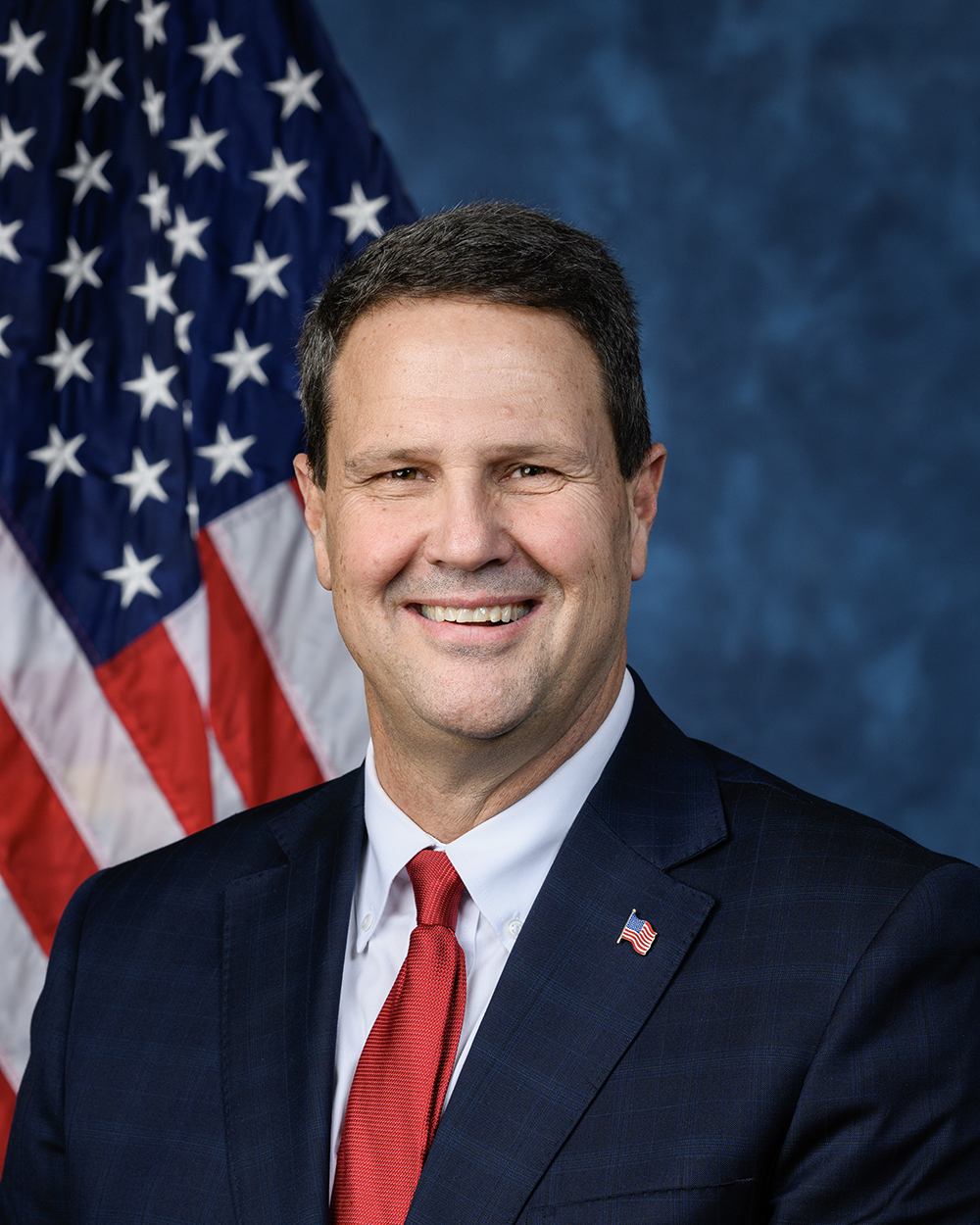
John W. Hickenlooper
78% support rate
Top opponent
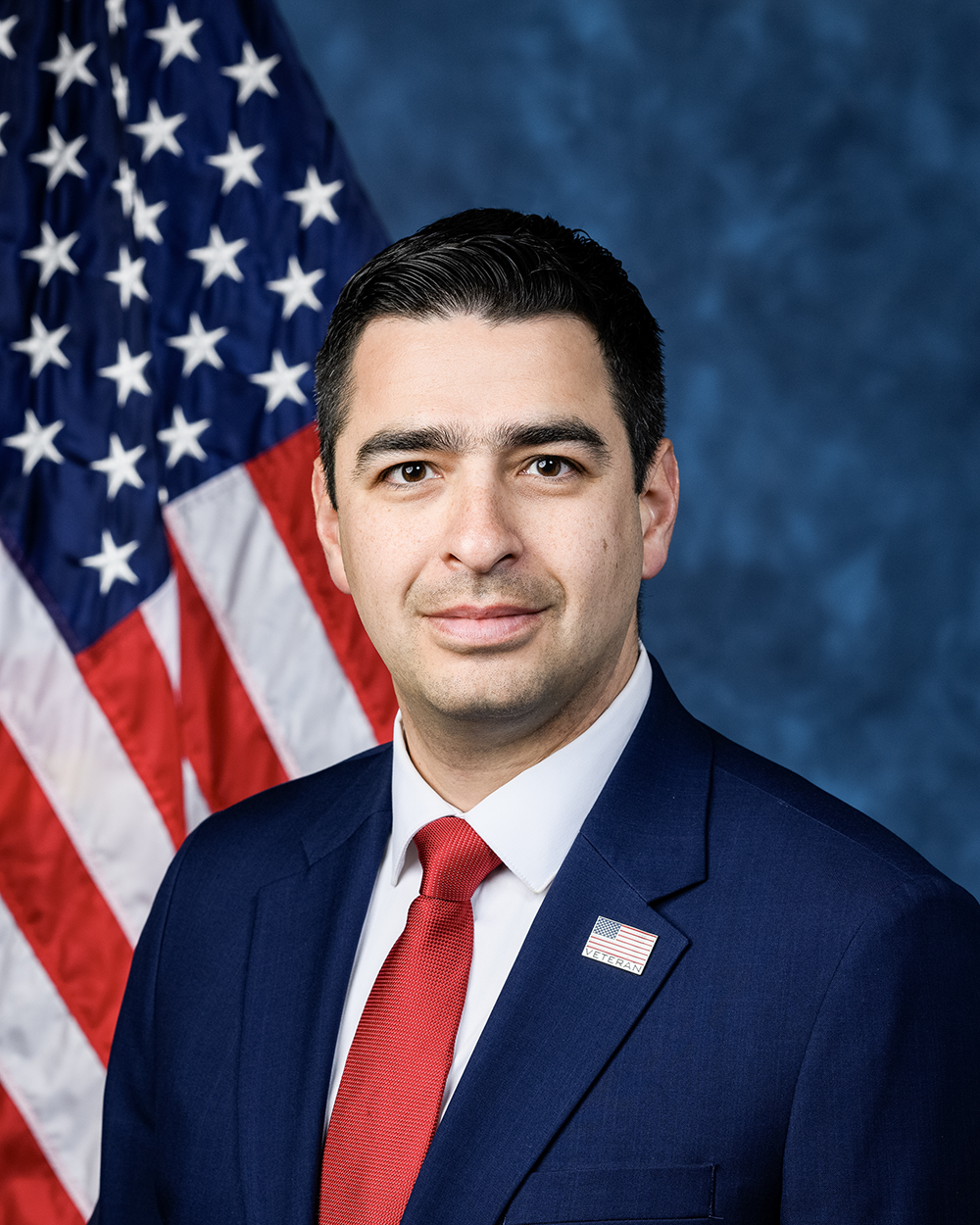
Jeff Hurd
33% support rate
Ranked legislators
9
5 support · 4 oppose
Key legislators

Who's moving environment in Colorado

Legislators moving environment in Colorado
Legislator Party Stance Support rate Votes
John W. Hickenlooper
John W. Hickenlooper Senate
D
Support
78% 233
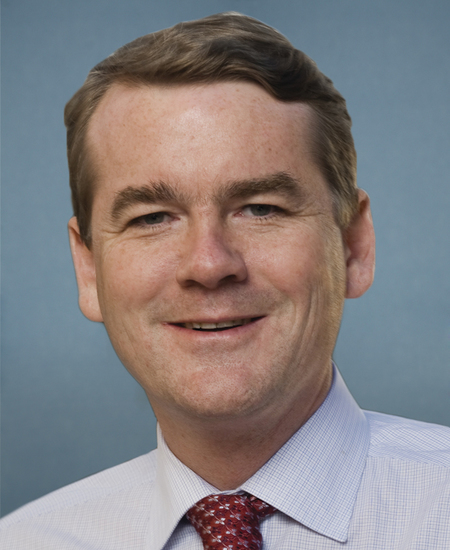
Michael F. Bennet
Michael F. Bennet Senate
D
Support
75% 232
Joe Neguse
Joe Neguse House · District 2
D
Support
64% 305
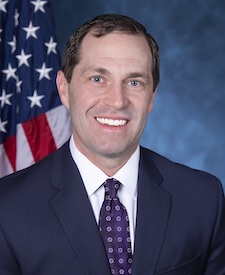
Jason Crow
Jason Crow House · District 6
D
Support
64% 306
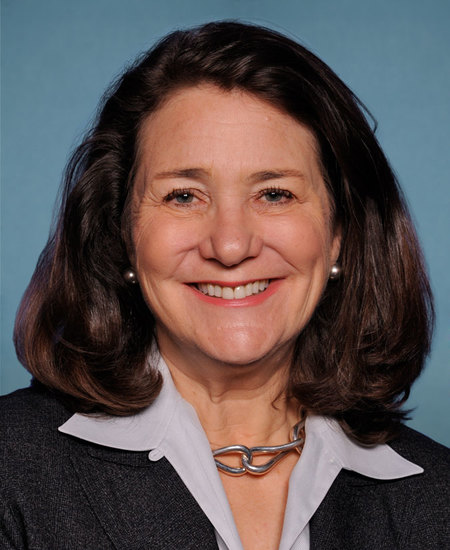
Diana DeGette
Diana DeGette House · District 1
D
Support
63% 300
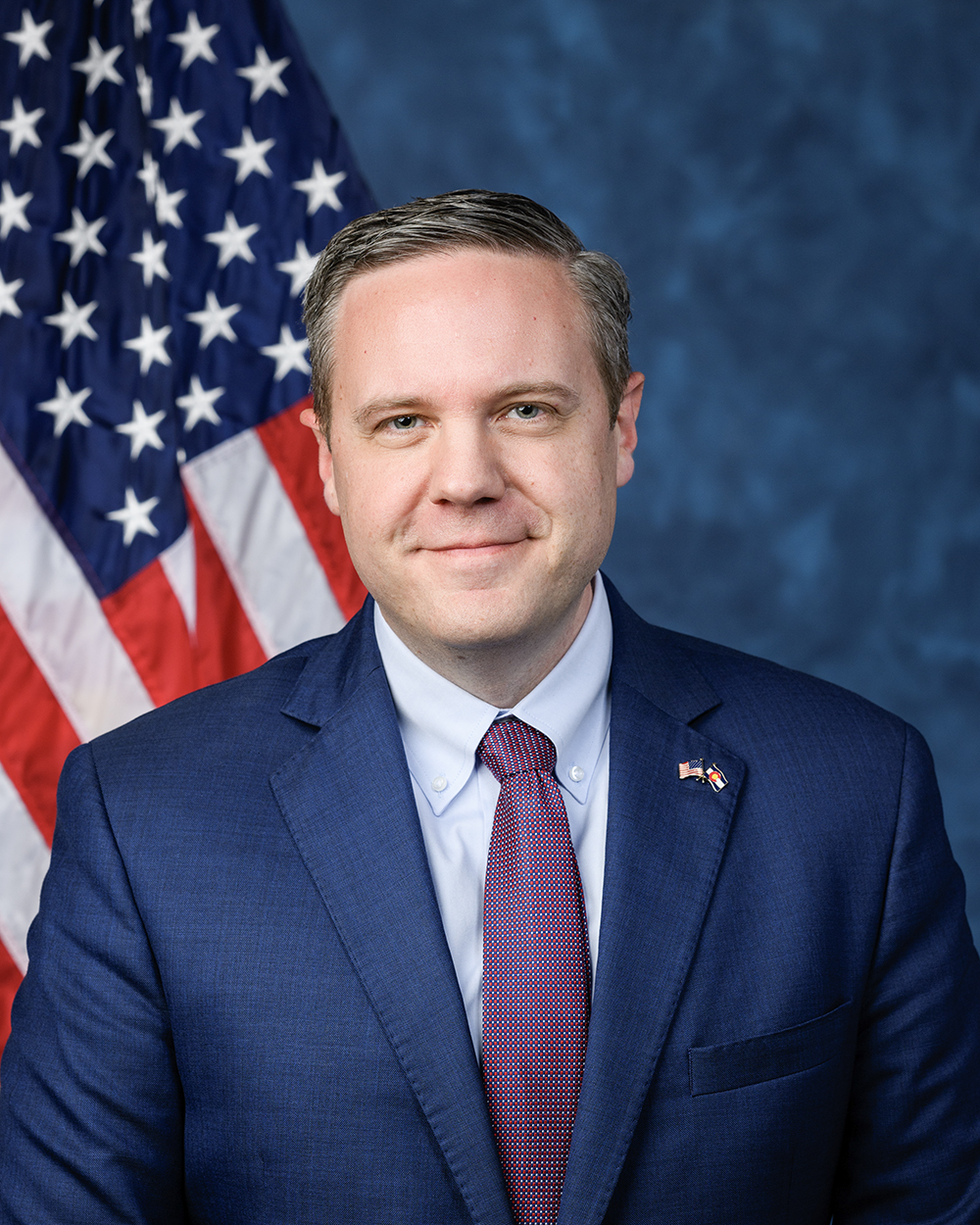
Jeff Hurd
Jeff Hurd House · District 3
R
Oppose
33% 305
Jeff Crank
Jeff Crank House · District 5
R
Oppose
33% 305
Gabe Evans
Gabe Evans House · District 8
R
Oppose
35% 306
Lauren Boebert
Lauren Boebert House · District 4
R
Mixed −
41% 298
Showing 1–10 of 268 bills

All environment bills

in committee · United States · House Sep 1, 2026

HR 10214: To amend the Public Lands Corps Act of 1993 to modify the cost-sharing requirement for conservation projects carried out by a qualified youth or conservation corps, and for other purposes.

This bill amends the Public Lands Corps Act of 1993 to change the funding rules for conservation projects led by qualified youth or conservation corps. It increases the maximum federal contribution from 75 percent to 90 percent of project costs. Consequently, the required non-federal cost share is reduced from 25 percent to 10 percent. These changes directly affect organizations and agencies that partner with these corps groups to implement conservation work on public lands.
in committee · United States · House Aug 6, 2026

HR 10061: Wildfire Response and Readiness Act

The Wildfire Response and Readiness Act establishes a national prescribed fire program that requires federal agencies to increase the acreage of controlled burns on public lands by 10 percent annually for a decade. It creates a ten-year national wildfire plan to coordinate landscape-scale forest restoration, reforestation, and watershed protection efforts across federal, state, tribal, and private boundaries. The bill also authorizes new funding for community resilience, including grants for home hardening, satellite monitoring technology, and a joint office dedicated to fire environment data and prediction. Additionally, it modernizes the firefighting workforce by establishing training academies, expanding civilian conservation centers, and providing liability protections for non-federal partners conducting prescribed fires.
in committee · United States · Senate Aug 6, 2026

S 5290: Emergency Mountain Pine Beetle Response and Coordination Act

The Emergency Mountain Pine Beetle Response and Coordination Act establishes a competitive grant program administered by the Secretary of Agriculture to fund forest restoration projects on National Forest System lands affected by mountain pine beetle outbreaks. Eligible sponsors, including state and local governments, Indian Tribes, and public utilities, can receive funding for activities such as removing hazard trees, reducing wildfire fuels, reforestation, and watershed stabilization. The bill prioritizes grants for projects that protect municipal water supplies, critical infrastructure, and communities in the wildland-urban interface. Additionally, it authorizes cooperative agreements between federal agencies and local entities to facilitate coordinated monitoring, data sharing, and technical assistance for detecting and mitigating beetle infestations.
Sub-Topics Forestry Water Quality
in committee · United States · Senate Jul 28, 2026

S 5145: Wildfire Air Quality Sensor Expansion Act of 2026

The Wildfire Air Quality Sensor Expansion Act of 2026 directs the Environmental Protection Agency to provide grants and loans to help local air pollution control agencies purchase and operate portable air sensors in rural and remote areas. These low-cost devices are intended to measure smoke pollutants like PM2.5 and ozone in locations where traditional monitoring equipment is scarce, thereby improving the accuracy of air quality data for communities affected by wildfires. To ensure success, the bill also authorizes funding for technical assistance to help agencies install and maintain these sensors, while requiring that the data collected be shared with the EPA to update public air quality maps. The legislation authorizes $10 million annually through 2032 for grants and provides additional unspecified funding for loan programs and technical support, with a specific focus on expanding coverage to Indian tribes and areas lacking existing monitoring infrastructure.
Sub-Topics Air Quality Forestry
in committee · United States · Senate Aug 3, 2026

S 5222: DRIVE Across America Act of 2026

The DRIVE Across America Act of 2026 establishes the Cleaner TRAILS Initiative to promote zero-emission vehicles and fueling infrastructure on National Forest and National Park lands. This program requires the Forest Service and National Park Service to develop a strategy for installing charging stations, purchasing electric vehicles for their fleets, and offering shuttle services that run on clean energy. The bill also directs the Department of Energy and the Department of Transportation to expand electric vehicle charging access near airports and tourist destinations, while authorizing $1 billion in federal funding between 2027 and 2031 to support these efforts. Additionally, the legislation mandates that agreements for transportation services on federal lands give priority to providers using zero-emission vehicles and requires regular reporting to Congress on progress and spending.
in committee · United States · Senate Jul 29, 2026

S 5165: POLAR Act

The POLAR Act establishes a new Directorate for Polar Programs within the National Science Foundation to oversee and advance scientific research, education, and infrastructure in the Arctic and Antarctica. This new directorate will manage logistics, support research stations and vessels, and coordinate with federal agencies and international partners to maintain a strong U.S. presence in these regions. The legislation authorizes the directorate to award grants and fellowships to universities, research institutions, and other entities, with a specific focus on incorporating indigenous knowledge and building a skilled workforce. Additionally, the act requires the creation of an advisory committee to guide program strategies and mandates annual reporting to Congress on funding priorities and progress.
in committee · United States · Senate Aug 3, 2026

S 5220: Clean Transportation Jobs and Development Act of 2026

The Clean Transportation Jobs and Development Act of 2026 directs the Department of Energy to expand funding and oversight for battery manufacturing, critical mineral processing, and advanced vehicle technologies through 2031. A primary provision increases the authorized budget for battery processing grants to $6 billion for fiscal years 2027 through 2031, while also requiring applicants to include specific workforce safety and fire prevention plans. The bill establishes a new Office of Critical Minerals and Energy Innovation to coordinate supply chain resilience and manages multiple research programs focused on extreme-fast charging, vehicle safety, and heavy-duty commercial vehicle electrification. Additionally, the legislation authorizes over $3 billion in total funding for these research and development activities across five fiscal years to support domestic manufacturing and reduce reliance on foreign energy sources.
in committee · United States · Senate Aug 3, 2026

S 5215: Cleaner Transportation Access for All Act

The Cleaner Transportation Access for All Act extends federal tax credits for purchasing clean vehicles and installing charging equipment through 2031, while also allowing a higher credit amount for home charging installations. It establishes a new Joint Office of Energy and Transportation to coordinate federal efforts on electric vehicle infrastructure and creates an Electric Vehicle Commission to study industry needs and safety issues. The legislation authorizes billions in funding to expand charging networks, with specific requirements that states prioritize underserved communities and medium- and heavy-duty vehicles. Additionally, the bill mandates that electric vehicle charging stations be permitted on public curbsides and expands access to high-occupancy vehicle lanes for clean vehicles.
in committee · United States · Senate Jul 23, 2026

S 5101: Glenwood Hot Springs Protection Act

The Glenwood Hot Springs Protection Act prevents the Bureau of Land Management from approving any expansion of the Mid-Continent Limestone Quarry. Specifically, it bars the processing of applications for increased mineral operations or sales contracts on specific land parcels in Garfield County, Colorado, that are currently designated for mining. This restriction directly affects the quarry's ability to grow and limits future development on the identified sections of public land.
Sub-Topics Public Lands
in committee · United States · Senate Jul 20, 2026

S 5035: National Coordination on Resilience for Security Act of 2026

The National Coordination on Resilience for Security Act of 2026 creates a new Chief Resilience Officer within the National Security Council to lead federal efforts in preparing for natural hazards and enhancing national security. This official will establish interagency working groups and a Partners Council on Resilience that includes representatives from state, local, tribal, and private sector entities to coordinate strategies and identify funding gaps. The bill requires the development of a National Resilience Strategy that outlines how federal agencies will collaborate with non-federal partners to improve infrastructure, reduce waste, and support vulnerable communities. Additionally, the act mandates the creation of a public clearinghouse to share resilience data and technical assistance, with all provisions set to expire after ten years or following a third independent assessment.
Sub-Topics Natural Disasters
Showing 1 to 10 of 268 bills
1 2 3 27 Next